Targeting Iran’s Island Hits People, Not Regime: Analyst
A retired U.S. Army Lieutenant Colonel argues that attacking Iran's Kharg Island would harm its people, not just its leadership. This perspective highlights the complex human cost of economic warfare and military threats against vital infrastructure.

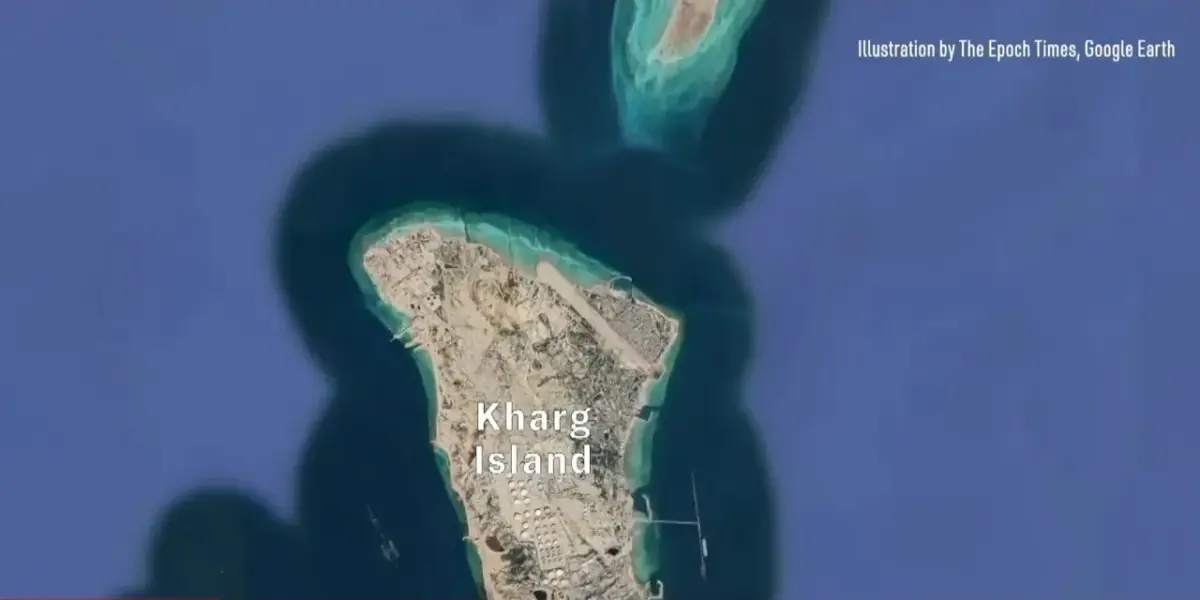
Kharg Island Attack: A Blow to Iranians, Not Their Rulers
President Donald Trump recently stated that if Iran doesn’t reach a deal, the U.S. will target its electric plants, oil wells, and Kharg Island. However, a retired U.S. Army Lieutenant Colonel, Darin Gaub, offers a different perspective. He believes attacking Kharg Island would harm the Iranian people, not necessarily the government or its military units.
Understanding Kharg Island’s Importance
Kharg Island is a major oil terminal for Iran. It’s where most of the country’s oil exports are loaded onto ships. Think of it like a giant gas station and loading dock for Iran’s oil business. This island is crucial for Iran’s economy, as oil sales bring in a lot of money.
The Human Cost of Attacking Infrastructure
Gaub argues that striking such a vital economic hub would directly impact the everyday lives of Iranians. The oil industry employs many people. If the facilities are destroyed, those jobs disappear. Furthermore, the money generated from oil sales helps fund public services. Cutting off this income could lead to shortages in food, medicine, and other essential goods for the general population. It’s like shutting down a country’s main source of income, making life much harder for everyone.
Attacking Kharg Island would be attacking the Iranian people, not the terrorist regime.
Focusing on the ‘Regime’ vs. the ‘People’
The distinction Gaub makes is between targeting the ruling government and its leaders, often referred to as the ‘regime,’ and targeting the broader population. Military actions that damage economic infrastructure, even if intended to pressure the government, often have devastating consequences for ordinary citizens. This has been a recurring debate in international conflicts: how to weaken an enemy’s ability to wage war without causing widespread suffering to its people.
Historical Context: Sanctions and Civilian Impact
History offers many examples where sanctions or military actions against a country’s economy have hurt ordinary people more than the leaders. For instance, widespread international sanctions against countries like Iraq in the past led to severe shortages of food and medicine for civilians, while the ruling elite often found ways to maintain their power and privilege. The idea is that economic pressure is meant to force a change in government behavior, but the burden often falls on those least able to bear it.
Other Geopolitical Factors
The discussion also touched on other related issues. The Houthis in Yemen have been involved in actions affecting the Suez Canal, a critical shipping route. This shows how regional conflicts can have global economic impacts. Additionally, Gaub mentioned the internal discussions and rhetoric within Iran’s Islamic Revolutionary Guard Corps (IRGC), suggesting that internal dynamics within the Iranian military might also be a factor in how such threats are perceived and responded to.
Why This Matters
Understanding the potential consequences of military actions is crucial for effective foreign policy. If the goal is to change a regime’s behavior, actions that alienate or harm the general population might be counterproductive. It could lead to increased resentment towards the attacking nation, potentially strengthening the regime’s hold on power by rallying people against an external ‘enemy.’ Effective strategy often requires carefully considering who is being targeted and what the broader human impact will be.
Future Outlook
As international tensions continue, discussions about military options will likely remain prominent. Analysts like Gaub highlight the importance of nuanced thinking. Instead of just focusing on military targets, it’s vital to consider the economic and human implications. This approach helps in developing strategies that are not only effective in achieving political goals but also mindful of humanitarian concerns. The debate over how to best pressure Iran, or any other nation, will continue to involve weighing the potential benefits against the very real costs to civilian populations.
Source: Attacking Kharg Island Would Target Iranians, Not Terrorist Regime: Analyst (YouTube)

Related Articles

Gulf Allies Urge Trump to Continue Iran Conflict
U.S. allies in the Persian Gulf are urging President Trump to intensify military action against Iran, believing Tehran has not been sufficiently weakened. The ongoing conflict raises concerns about regional stability and global energy prices, while questions linger about the administration's long-term strategy.


Middle East Conflict Sends Gas Prices Soaring Past $4
The national average gas price has surpassed $4 per gallon for the first time since 2022, driven by escalating conflict in the Middle East. Recent attacks on oil tankers and military strikes have heightened fears of energy supply disruptions, impacting consumers globally.
US Weighs Troop Deployment Amid Iran Deal Push
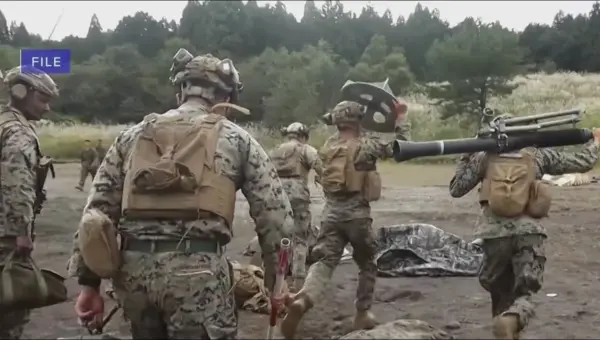
The U.S. is considering deploying ground troops to Iran while simultaneously pushing for a diplomatic deal to reopen the Strait of Hormuz. Air strikes are ongoing as President Trump increases pressure on Iran.