Targeting Iran’s Elite: A Risky Game of Leadership Decapitation
The US and Israel are reportedly targeting Iran's leadership cadre, a strategy that could destabilize the region. This analysis examines the risks, historical context, and implications of such 'decapitation' efforts, questioning their efficacy against a deeply entrenched system.

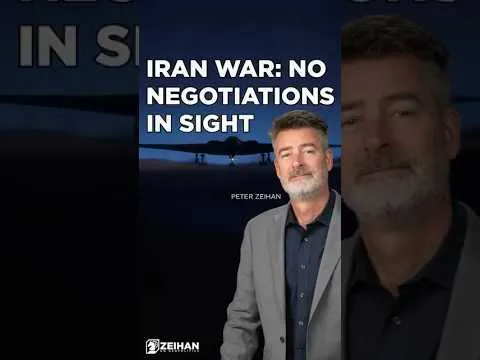
Targeting Iran’s Elite: A Risky Game of Leadership Decapitation
In a high-stakes geopolitical maneuver, both Israel and the United States are reportedly engaged in a concerted effort to target the leadership cadre of Iran. This strategy, aimed at disrupting the country’s political and military hierarchy, raises profound questions about its efficacy, ethical implications, and potential for escalating regional instability. The recent actions, as suggested by the video’s premise, point towards a deliberate campaign to dismantle Iran’s ruling class, with significant implications for the future of the Islamic Republic and its international relations.
The Strategy of Leadership Decapitation
The core of this strategy appears to be the systematic targeting of key figures within Iran’s political and religious establishment. The transcript highlights a specific incident where Israel allegedly bombed the location designated for a meeting of the Assembly of Experts, an influential body responsible for selecting the Supreme Leader. While the attack may not have resulted in the immediate elimination of the entire assembly, it signals a clear intent to disrupt the succession process and sow chaos within the highest echelons of power.
This approach, often referred to as leadership decapitation, is not new in international relations. Historically, such tactics have been employed with varying degrees of success, often aiming to cripple an adversary’s command and control structures, demoralize its forces, and create a power vacuum that could lead to internal collapse or a shift in policy. In the context of Iran, the targets are not just military commanders but the clerical leadership that underpins the entire political system.
The Scale of the Iranian Clerical Class
However, the sheer scale of Iran’s clerical class presents a formidable challenge to such a strategy. The transcript notes that the entire clerical class numbers over 10,000 individuals. The reported efforts, while persistent, may have only impacted a small fraction of this vast pool. This suggests that while individual leaders can be removed, the underlying structure and the ideology it represents may be far more resilient than a more conventional military or political organization.
The implication here is that even if key figures are eliminated, the system possesses a deep bench of potential successors. The Assembly of Experts, despite the alleged Israeli targeting, is designed to ensure continuity. This raises questions about the long-term viability of a decapitation strategy against a system built on a broad ideological and institutional foundation rather than a single charismatic leader or a small junta.
The Impasse and the Absence of Negotiation
A critical consequence of this ongoing campaign, according to the analysis, is the diminishing likelihood of a negotiated settlement. The transcript suggests that as potential leadership figures are eliminated, the capacity for rational decision-making and diplomatic engagement is eroded. This creates a dangerous feedback loop where the absence of political leadership capable of making difficult concessions, such as relinquishing power held by the Islamic Revolutionary Guard Corps (IRGC), perpetuates the conflict.
The IRGC, described as calling the day-to-day shots, is unlikely to cede control unless compelled by a political leadership that currently appears incapacitated by the ongoing targeting. This creates an impasse: the military and security apparatus is entrenched, while the political and religious leadership is under direct assault, hindering the very diplomatic pathways that could de-escalate tensions. The former U.S. President Trump’s estimation of a four-to-five-week or longer conflict duration underscores the potential for protracted engagement if this dynamic persists.
Historical Context and Precedents
The current situation can be viewed against a backdrop of decades of complex U.S.-Iran relations, marked by periods of intense animosity, proxy conflicts, and intermittent attempts at dialogue. The 1979 Iranian Revolution fundamentally altered the regional power balance, leading to a sustained period of suspicion and hostility between the two nations. Subsequent events, including the Iran-Iraq War and the ongoing nuclear program dispute, have further solidified this adversarial relationship.
The strategy of targeting leadership is a tactic that has been debated and sometimes employed in various conflicts throughout history. From the assassination of political figures in ancient times to modern-day drone strikes against terrorist leaders, the aim is often to destabilize an enemy from within. However, the success of such strategies is highly context-dependent and can often lead to unintended consequences, such as the rise of more radical elements or a hardening of resolve among the targeted population.
Why This Matters
The ongoing efforts to target Iran’s leadership cadre have profound implications that extend far beyond the immediate geopolitical landscape. Firstly, it raises serious questions about international law and the ethics of state-sponsored assassinations, particularly when aimed at the highest levels of a sovereign government. The potential for miscalculation and unintended escalation is immense.
Secondly, the erosion of diplomatic channels due to the incapacitation of leadership could lead to a prolonged period of instability in a strategically vital region. If negotiation becomes impossible, the likelihood of miscalculation, accidental conflict, or the further empowerment of hardline elements within Iran increases significantly. This could have ripple effects on global energy markets, international security, and the broader fight against terrorism.
Thirdly, the resilience of the Iranian system, with its vast clerical class, suggests that decapitation strategies may be less effective than proponents anticipate. This could lead to a prolonged and potentially unwinnable campaign, draining resources and increasing tensions without achieving desired political outcomes. The focus on eliminating individuals might distract from addressing the underlying systemic issues or exploring avenues for internal reform within Iran.
Implications, Trends, and Future Outlook
The trend towards targeting leadership figures, if it continues, suggests a potential shift towards more aggressive and less diplomatic approaches in international conflict resolution. This could embolden similar tactics by other state and non-state actors, leading to a more volatile global security environment.
The future outlook for Iran remains uncertain. The success or failure of this strategy will depend on numerous factors, including the resilience of the Iranian state, the reactions of regional powers, and the broader international community’s stance. If the targeting continues without yielding significant political change, it could lead to a more isolated and potentially more aggressive Iran, or conversely, a fractured state susceptible to further internal strife.
Ultimately, the effectiveness of targeting Iran’s leadership is a complex question with no easy answers. While it may disrupt immediate operations and sow uncertainty, its ability to fundamentally alter the political trajectory of a deeply entrenched system remains to be seen. The pursuit of such a strategy carries significant risks, and its long-term consequences for regional stability and international relations warrant careful consideration and robust debate.
Source: Israel-U.S. Are On The Hunt for Iran’s Leadership #shorts (YouTube)

Related Articles


Trump’s Bank Stance Ignites Crypto Rotation
Former President Trump's pivot on banks and escalating geopolitical tensions are driving a significant rotation in the crypto market. DeFi platforms are seeing increased activity, and Bitcoin ETFs continue to attract inflows, signaling a potential bottoming phase.

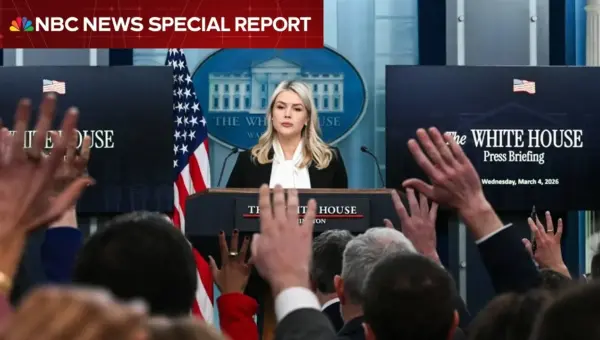
White House Briefs on ‘Operation Epic Fury,’ Iran Strikes
The White House provided an update on "Operation Epic Fury" following strikes against Iran, detailing evacuation efforts for U.S. citizens and the strategic military objectives. Press Secretary Karoline Leavitt highlighted intelligence that informed the timing of the strikes and the administration's commitment to regional security.

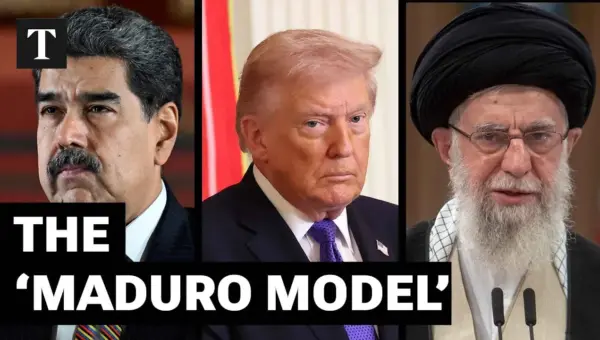
US-Israel Strike Iran’s Police State, Trump Eyes ‘Maduro Model’
The U.S. and Israel have launched a significant aerial assault targeting Iran's internal security forces, aiming to degrade the regime's capacity for repression. Amidst the strikes, President Trump has alluded to a potential "Maduro model" for leadership transition, while experts caution about the challenges of fostering internal dissent under duress.