Tanker Crash Exposes Dangers of Aerial Refueling Tactics
A U.S. Air Force KC-135 tanker crash in Iraq reveals the critical, yet dangerous, role of aerial refueling in modern warfare. Investigations point to a mid-air collision, highlighting the extreme risks faced by crews and the vital importance of these "flying gas stations" for long-range missions.

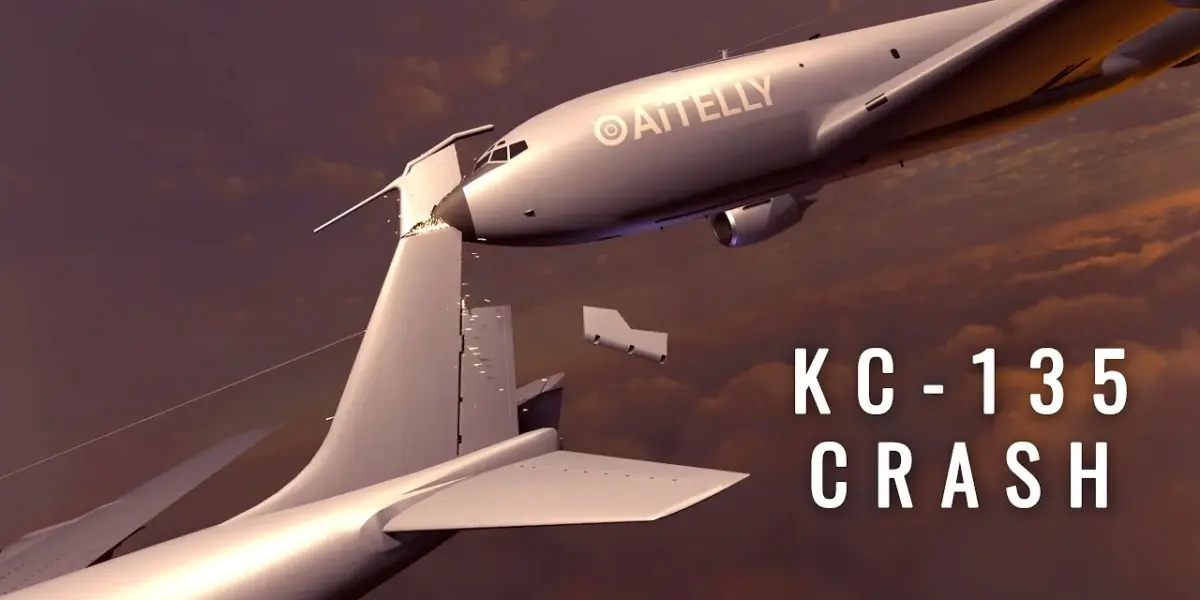
Tanker Crash Exposes Dangers of Aerial Refueling Tactics
A recent tragedy in the skies over western Iraq, where a U.S. Air Force KC-135 Stratotanker crashed, highlights the complex and dangerous nature of modern aerial warfare. The incident, which occurred on March 12, 2026, during Operation Epic Fury, has led to multiple investigations into what exactly happened. While the exact cause remains under review, the event has brought to light the critical role of aerial refueling tankers and the inherent risks involved.
The KC-135, often called a “flying gas station,” is essential for extending the range and endurance of fighter jets and bombers. These massive aircraft allow strike packages to fly thousands of miles, penetrate enemy airspace, and return safely. Without them, many long-range missions would simply be impossible, especially when friendly bases are not readily available in the immediate region.
Possible Scenarios for the Crash
Several theories are being considered regarding the crash. One leading possibility involves a mid-air refueling accident. During refueling, a receiving jet flies very close to the tanker, just feet below its tail. A small error in speed or a sudden gust of wind could cause the receiving aircraft to surge forward, smashing into the tanker’s tail. The margin for error in these operations is extremely small.
Another scenario suggests a potential collision due to tight flying formations. In combat zones, tankers often fly in close groups, sometimes in complete radio silence and with lights off to avoid enemy detection. If a pilot becomes disoriented during a nighttime maneuver, they could drift off course and collide with another aircraft in their formation. This could involve hitting a wingman’s tail or clipping a wing section.
Initial speculation also included the possibility of an attack by Iraqi militias using a surface-to-air missile. However, U.S. Central Command (CENTCOM) has officially stated that the crash was not caused by hostile fire. Given the official statements and the observed damage to the surviving aircraft, a mid-air collision or an accident during refueling operations appears to be the most likely cause.
The Vital Role of Air Tankers
The KC-135 tankers are described as the “lifeblood” of operations like Epic Fury. When aircraft like F-35s or F-16s need to fly long distances, such as from European bases to strike targets in Iran, they lack the internal fuel capacity for the round trip. The KC-135s act as mobile fuel depots, meeting these strike aircraft in mid-air to refuel them. This allows the strike jets to reach their targets and return safely.
This reliance on tankers has become even more crucial due to strategic shifts. When allied nations deny access to their bases, the U.S. military must rely on launching missions from farther away, often from bases in Europe. This geographical shift increases the distance aircraft must travel, making air-to-air refueling more critical than ever. Dozens of KC-135s are deployed to bases in places like Greece and Bulgaria to support these extended operations.
Historical Context and Strategy
The use of aerial refueling dates back to the early days of aviation, with significant development occurring during World War II and the Cold War. The ability to refuel in the air transformed long-range bombing missions and allowed for greater operational flexibility. Today, tankers are a standard component of almost any major air campaign, enabling sustained operations and power projection across vast distances.
In the context of Operation Epic Fury and potential operations against Iran, the strategy involves complex planning. Aircraft may need to bypass hostile airspace, requiring longer flight paths. This is where tankers become indispensable, acting as a crucial lifeline, especially for stealth bombers like the B-2 Spirit. They ensure these aircraft can reach their targets and return, even before air superiority has been fully established.
The Human Element and Risk
A standard KC-135 mission typically has a crew of three: a pilot, co-pilot, and boom operator. However, reports indicate that at least six U.S. service members were aboard the aircraft that crashed. Four crew members have been confirmed deceased, while rescue efforts continue for others. This starkly reminds us of the human cost associated with these vital but perilous missions.
The crews of these tankers are aware that their role, while often unglamorous, is critical. They operate in challenging environments, sometimes in darkness, with the constant risk of accident or attack. Their ability to successfully transfer fuel can be the difference between a successful mission and a catastrophic failure.
Why This Matters
The crash of the KC-135 tanker is more than just an accident; it’s a stark reminder of the inherent dangers in modern aerial warfare. It underscores the absolute necessity of aerial refueling for projecting power across long distances, a capability that underpins many U.S. military strategies. The incident forces a re-evaluation of safety protocols and the risks taken by aircrews operating in high-threat environments.
Furthermore, the reliance on tankers highlights a significant logistical challenge. As geopolitical situations change and base access becomes less certain, the military must adapt its strategies. This often means longer flights and increased dependence on aerial refueling, placing greater stress on both aircraft and crews. The incident serves as a critical data point in ongoing efforts to ensure the safety and effectiveness of these essential operations.
Future Outlook
The future of aerial refueling will likely involve continued efforts to enhance safety through improved technology and pilot training. Advanced sensors, better communication systems, and more precise navigation aids could help reduce the risk of mid-air collisions. The development of next-generation tankers with greater fuel capacity and advanced capabilities will also play a role in adapting to evolving military needs.
However, the fundamental risks associated with refueling massive aircraft in mid-air will remain. The KC-135, a workhorse for decades, continues to perform a vital but inherently dangerous task. As military operations become more complex and distances increase, the role of these flying tankers will only grow, making their safe operation a top priority for the U.S. Air Force and its allies.
Source: How US Air Tanker Crash? (YouTube)

Related Articles
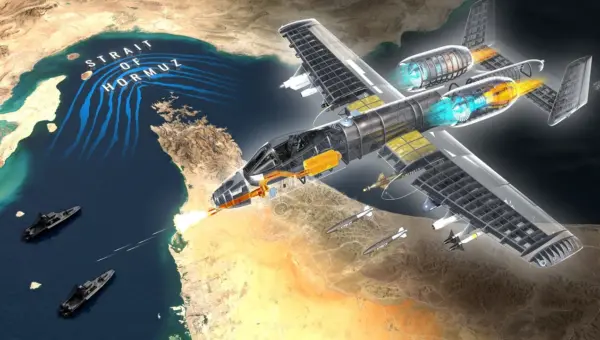
A-10 Warthog Defies Retirement in Hormuz Strait
The U.S. Air Force's plan to retire the A-10 Thunderbolt faces a challenge in the Strait of Hormuz. Its unique design, built for low-and-slow flight and extreme durability, makes it essential for countering small boats and drones in the narrow waterway. The Warthog's ruggedness and specialized firepower prove its continued value.
US Rescues Airmen From Iran in Daring Night Mission
U.S. military forces executed a high-stakes rescue mission to retrieve two airmen whose F-15 jet crashed in Iran. The operation, involving extensive air support and facing enemy fire, successfully brought both pilots home.


Trump Details Daring Iran Airman Rescue Mission
Former President Donald Trump described a daring U.S. military operation to rescue an airman shot down over Iran. The pilot evaded capture for hours in harsh terrain before a massive aerial effort, involving over 150 aircraft and strategic deception, brought him home safely without casualties.