Taliban Release American Hostage, Shifting Afghan Power Dynamics
American Dennis Coyle has been released by the Taliban after over a year in detention. The event highlights the complex U.S.-Taliban relationship and raises questions about ongoing diplomatic efforts in Afghanistan. The release could signal shifts in regional power dynamics and international engagement strategies.


Taliban Release American Hostage, Shifting Afghan Power Dynamics
An American citizen, Dennis Coyle, has been released by the Taliban after being held in Afghanistan for over a year. Coyle was detained in January 2025. Local officials never publicly announced the specific charges against him. This event highlights the complex relationship between the United States and the Taliban, and raises questions about ongoing diplomatic efforts in the region.
The Release and Previous Detention
Dennis Coyle’s release marks the end of a lengthy detention. He was taken by the Taliban in early 2025. His family had been actively seeking his release, with his mother, Molly Long, recently appearing on NewsNation to bring more public attention to his case. The lack of public charges against Coyle suggests a potential political or diplomatic motivation behind his detention, rather than a clear legal one.
U.S. Administration’s Stance and Actions
President Trump, when asked about Coyle’s case earlier in the year, emphasized his administration’s focus on freeing hostages. He stated that while he wasn’t personally familiar with the specifics of Coyle’s situation, he would take a strong stance on it. The administration’s approach to hostage situations often involves a combination of public pressure and private negotiations, though the exact methods are rarely disclosed.
Taliban’s Motivations and Strategy
The Taliban’s decision to release Coyle, especially after such a long period, could be influenced by several factors. They may be seeking to improve their international image or gain concessions from the U.S. or other international bodies. Holding foreign nationals has often been a tactic used by the Taliban to exert pressure or gain leverage in negotiations. The timing of the release, following public appeals from Coyle’s family, might also indicate a response to sustained pressure.
Historical Context of U.S.-Taliban Relations
The relationship between the U.S. and the Taliban has been fraught with conflict and complex diplomacy for decades. Following the U.S. withdrawal from Afghanistan in 2021, the Taliban regained control of the country. Since then, the international community has grappled with how to engage with the Taliban government. The U.S. has sought the release of detained citizens while maintaining sanctions and other forms of pressure. Past agreements, like the 2020 Doha Agreement, have attempted to set frameworks for engagement, but challenges remain.
Economic and Diplomatic Levers
Afghanistan’s economy is heavily reliant on international aid, and the Taliban government faces significant financial challenges. Sanctions imposed by the U.S. and other nations restrict access to global financial systems, impacting the Taliban’s ability to govern and conduct international trade. The release of hostages like Coyle can sometimes be used by the Taliban as a bargaining chip to seek the easing of certain restrictions or to gain access to frozen assets. The U.S., on the other hand, uses the potential for sanctions relief or increased humanitarian aid as a way to influence Taliban behavior.
Global Impact and Future Scenarios
The release of Dennis Coyle is a positive humanitarian development, but it also underscores the ongoing geopolitical complexities in Afghanistan. It signals that channels of communication, however strained, remain open between the U.S. and the Taliban. This could potentially pave the way for further discussions on critical issues such as counter-terrorism, humanitarian aid, and the rights of Afghan citizens. However, the underlying tensions and the Taliban’s governance approach continue to pose significant challenges for regional stability.
One possible future scenario is that this release could lead to a slight thaw in relations, encouraging more cooperation on specific issues. Another scenario is that it could be an isolated event, with no broader implications for U.S.-Taliban policy. The Taliban may continue to detain foreign nationals if they believe it serves their strategic interests, while the U.S. will likely maintain its policy of demanding the safe return of all its citizens.
Conclusion
Dennis Coyle’s freedom is a testament to the persistent efforts of his family and potentially behind-the-scenes diplomatic work. His release offers a moment of relief for his loved ones and a reminder of the human cost of geopolitical standoffs. It also highlights the delicate balance of power and negotiation that continues to define international engagement with Afghanistan under Taliban rule.
Source: American Dennis Coyle released by Taliban | NewsNation Live (YouTube)

Related Articles

G7 Allies Clash Over Iran War Strategy, Urge Focus on Russia
G7 foreign ministers met in Paris, revealing deep divisions over the U.S. war with Iran. European allies urged the U.S. to pressure Russia, linking its actions to the conflict and fearing support for Ukraine will wane.


Iran Blocks China Ships, Exposing Beijing’s Weak Grip
Iran's recent decision to block Chinese ships at the Strait of Hormuz is exposing the limits of Beijing's influence in the Middle East. This action is causing delays and cancellations for Chinese manufacturers, turning a perceived geopolitical win into an economic strain.
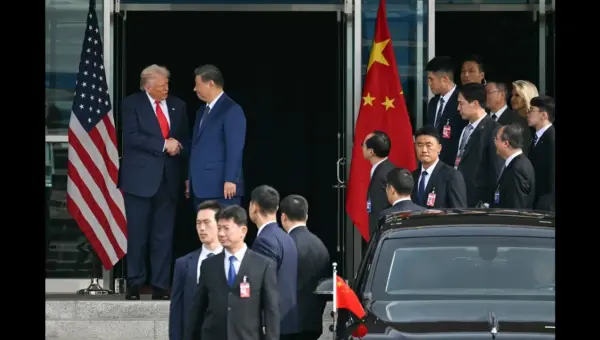
Trump’s “Walk Away” Tactic Signals Tougher Stance on China
Retired Air Force Brigadier General David Stillwell believes President Trump's strategy of being willing to walk away from negotiations puts pressure on China. This tactic, combined with US global actions and strengthened alliances, signals a more assertive American foreign policy.