Taliban Penal Code Values Animals Over Women, Ex-Politician Claims
A new Taliban penal code reportedly values animal life over human, with provisions allowing husbands to beat wives under limited conditions. Former Afghan official Faiq Kofi criticizes the legislation, highlighting the lack of recourse for women and the systemic disenfranchisement within the Afghan legal system.

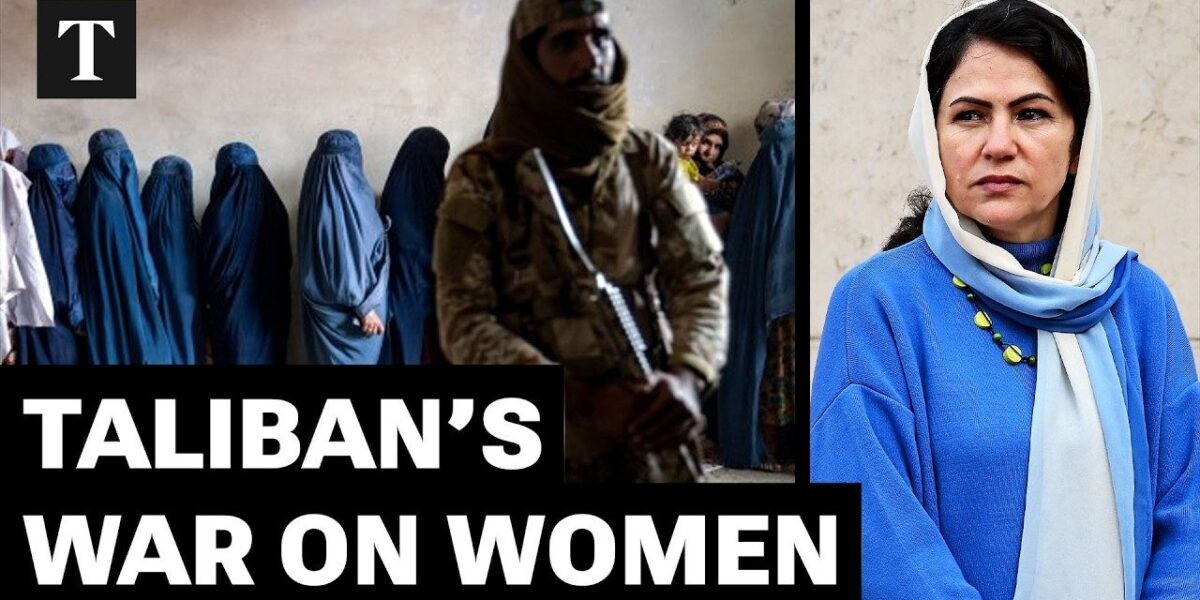
Taliban Penal Code Sparks Outrage Over Disparate Treatment
KABUL, AFGHANISTAN – A new penal code implemented by the Taliban government has drawn sharp criticism, with former Afghan officials and scholars alleging that it systematically devalues women while offering greater protections to animals. The legislation, which came into effect at the start of the year, reportedly allows men to physically discipline their wives under certain conditions, a provision that has ignited widespread concern both within and outside Afghanistan.
A Stark Contrast in Legal Valuations
Faiq Kofi, Afghanistan’s first female deputy speaker of parliament and a former peace negotiator with the Taliban, highlighted a deeply concerning disparity within the new legal framework. In an interview, she pointed to specific articles that appear to prioritize animal welfare over human life, particularly that of women.
“In the contrary, in another article, for instance, it says if any human beings hurt an animal, that human being will be sentenced to five months of imprisonment. So actually the value of an animal is in this law more than the value of a human being.”
This stark comparison underscores the perception that the Taliban regime, despite initial assurances of moderation following their return to power in 2021, continues to enforce policies that suppress women and undermine basic human rights. The alleged prioritization of animal welfare over women’s safety has become a focal point of criticism.
Women’s Rights Under Siege: New Penal Code Provisions
The new penal code reportedly permits husbands to beat their wives, with the only stated restriction being that the violence does not result in broken bones or open wounds. However, the process for a woman to seek recourse is described as exceedingly difficult, if not impossible.
According to Kofi, a woman wishing to accuse her husband of abuse must present her injuries to a male judge. Furthermore, she must be fully veiled and accompanied by a male guardian. The code also reportedly lacks provisions prohibiting physical, psychological, or sexual violence against women, leaving them vulnerable and without legal recourse.
“The spirit of any law that the Taliban actually enforced targets women. The underlying motivation of any law and decree and edict that the Taliban issue is yet another suppression against women,” Kofi stated, emphasizing the pervasive nature of these policies.
Legal System Under Taliban Control: A Systemic Flaw
The functioning of the Afghan legal system under Taliban rule has been a significant point of contention. Kofi described a system where all judges are men, and many are members of the Taliban themselves. This lack of female representation in the judiciary, coupled with the absence of female lawyers and defense attorneys, creates an insurmountable barrier for women seeking justice.
She recounted a harrowing incident from her home province where a primary court, presided over by a Taliban member, sentenced a couple to execution for adultery. The execution was carried out before any higher court could review the case, only for the appellate court to later conclude the couple was not guilty and should have been released.
“In the absence of access to lawyers, access to evidence, witness, you know, witness or any kind of due process of trial, it’s basically Taliban deciding for the rest of the society,” Kofi explained. “And in this case women are the main victim because how can in the there is no female lawyer, there is no female judge, there is no defend lawyer and women don’t dare even to get out of their homes.”
Erosion of Institutions and Legal Precedents
Further illustrating the rollback of women’s rights and legal protections, Kofi noted the dismantling of previous laws and institutions. The Ministry of Women’s Affairs has reportedly been replaced by the Ministry of Vice and Virtue, a move that signifies a shift towards stricter enforcement of conservative social norms.
Laws against violence towards women, which Kofi herself had invested significant time in developing and which were enforced by presidential decree in 2009, have been effectively nullified. The absence of a functioning parliament, with a single individual in Kandahar reportedly making all decisions, further consolidates power and stifles any form of democratic or legal oversight.
“We don’t call it law because the definition of law is clear. It has to be approved or or processed in the house of people or the parliament. There is no parliament. It’s one man deciding sitting in Kandahar deciding on everything on mainly suppressing the population,” she asserted.
International Response and Broader Implications
The issue of the Taliban’s treatment of women and the implementation of the new penal code has received limited international attention. Kofi expressed dismay at the international community’s engagement with the Taliban, suggesting that photo opportunities and meetings with the regime embolden their suppressive policies.
“Many religious scholars actually voiced their concerns about the recent penal code. But the international community seem to be like just just taking photos with the Taliban and and expressing their pleasure by meeting the Taliban which actually emboldens their position, emboldens their suppressive policies towards women,” she stated.
The new penal code also reportedly divides society into four categories, placing the Taliban in a superior position and categorizing the rest of society as “bad and worse” or “better and good.” This division, coupled with provisions that Kofi described as legalizing slavery by granting ownership of one human being to another, suggests a broader societal restructuring aimed at entrenching the Taliban’s authority and control.
Looking Ahead: The Fight for Women’s Rights Continues
The implementation of this penal code marks a grim milestone in the ongoing struggle for women’s rights in Afghanistan. With legal avenues for justice severely curtailed and a pervasive climate of fear, the future for Afghan women remains uncertain. The international community faces increasing pressure to move beyond symbolic gestures and implement tangible measures to support Afghan women and hold the Taliban accountable for their human rights record. The coming months will be crucial in determining whether international pressure can foster any meaningful change or if the current trajectory of suppression will continue unabated.
Source: Taliban Value Animals More Than Women | Former Afghan Politician (YouTube)

Related Articles

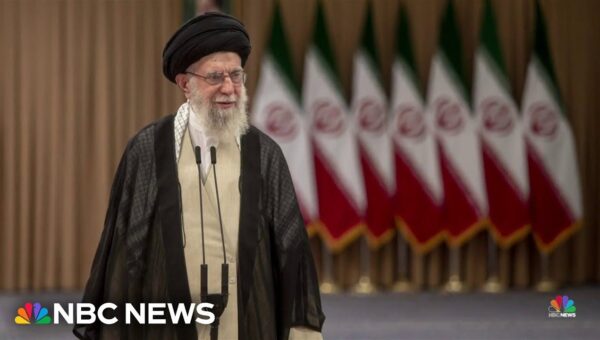
Iran’s Unrest: Strikes Signal Potential Uprising
Iran is experiencing a critical juncture as a wave of strikes suggests a potential uprising, following the reported death of its Ayatollah. This unrest, fueled by long-standing human rights abuses and economic hardship, marks a significant moment of uncertainty for the nation. The situation is being closely watched globally, with implications for regional stability.

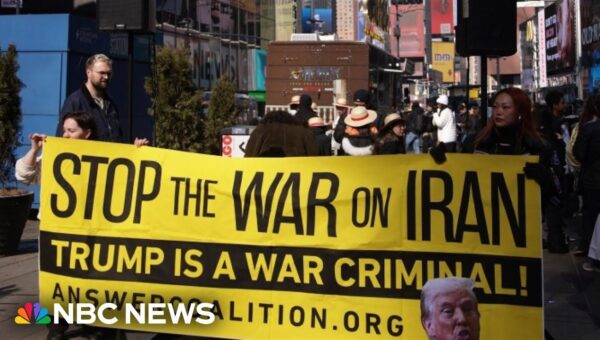
Iran Protests Erupt in Times Square Amid Global Calls
Thousands of demonstrators converged on Times Square in an emergency protest against actions in Iran, part of a nationwide movement spanning over 60 cities. Organized by grassroots groups, the protests call for U.S. non-involvement and express solidarity with Iran amid heightened geopolitical tensions.


Pakistan Strikes Afghanistan in Major Border Escalation
Pakistan has launched airstrikes against Afghanistan, targeting cities including Kabul, in a major escalation of border tensions. Islamabad accuses the Taliban of harboring militants responsible for attacks within Pakistan. The situation has been described as "open war," with analysts warning of renewed regional instability.