Taiwan’s Defense Budget Fight: A Risky Game with China
Taiwan's defense spending plan is stalled due to opposition party actions, raising concerns in Washington about the island's vulnerability to China. U.S. lawmakers are urging approval of a $40 billion budget amid increasing Chinese military drills.

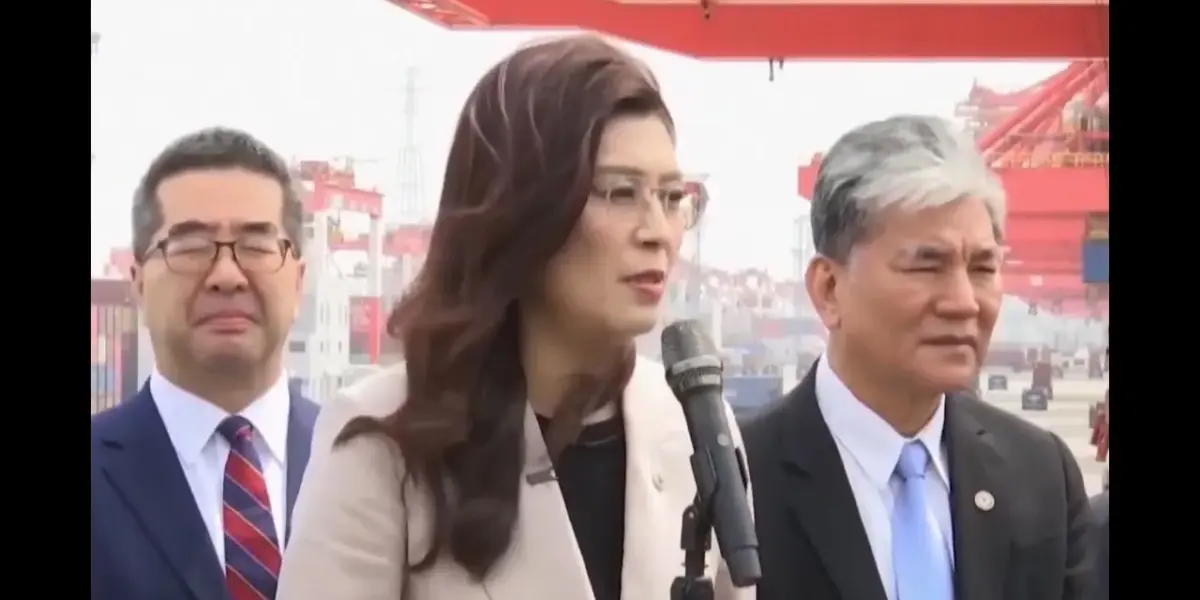
Taiwan’s Defense Budget Fight: A Risky Game with China
Tensions are high in the Taiwan Strait. China is increasing its military presence around Taiwan, and some American lawmakers are worried. They are urging Taiwan’s parliament to approve a large amount of money for defense. This comes as Taiwan’s main opposition party is seen as being friendlier to China.
In Washington, there’s a growing fear that if Taiwan delays its defense spending, it could become an easier target for China. Taiwan’s ruling party, the Democratic Progressive Party, is trying to pass its biggest defense budget ever. This budget is worth about $40 billion. However, the main opposition party, the Kuomintang (KMT), is not showing up to the meetings. Because of this, the budget has not been approved.
This situation is concerning because, not long ago, the Trump administration approved a major weapons sale to Taiwan worth $11 billion. For such sales to go through smoothly, the KMT, which currently holds power in Taiwan’s parliament, needs to agree. Their absence from these important budget talks is causing delays.
China’s Growing Pressure
Meanwhile, China continues its military drills near Taiwan almost every day. They are sending fighter jets and warships into the area. American officials believe these actions are not just practice drills. They see them as practice runs for a possible invasion of Taiwan.
Senator Jim Banks recently met with Taiwan’s president. He asked Taiwan’s parliament to pass the defense budget. He said passing the budget would send a clear message to Beijing. “Your legislative yuan has to do its part and pass the special budget,” Senator Banks stated. “That is a signal to China and to the rest of the world that Taiwan is serious about peace through strength.”
Senator Banks is not alone. Several U.S. lawmakers from both major parties have visited Taiwan recently. They are all warning that delays in defense spending could weaken Taiwan’s ability to prevent China from attacking. Another lawmaker said, “We are concerned by the increased pressure from Beijing, including military activity around Taiwan that raises the risk of miscalculation.”
Opposition’s Actions Raise Questions
While the KMT party is skipping parliamentary meetings and blocking the defense package, the head of their party is in China. He is meeting with officials from the Chinese Communist Party (CCP). Critics argue that the timing of this visit and the stalled defense funding is designed to weaken Taiwan’s position against China.
U.S. officials are warning that Taiwan might be running out of time to build up its defenses against China. This is especially true as China keeps increasing its military activities around the island. The situation highlights a difficult balance Taiwan must strike: strengthening its defenses while navigating complex political relationships, both at home and with its powerful neighbor.
Why This Matters
The standoff over Taiwan’s defense budget is more than just an internal political debate. It has serious implications for regional stability and global security. Taiwan is a vital hub for the world’s technology, especially in making computer chips. Any conflict in the Taiwan Strait could disrupt global supply chains and economies.
Historical Context
Taiwan, officially known as the Republic of China (ROC), has been self-governing since 1949. This was after the Chinese Civil War, when the Nationalist government fled to the island. The People’s Republic of China (PRC) on the mainland claims Taiwan as part of its territory. Beijing has never ruled Taiwan but has vowed to unite it with the mainland, by force if necessary. This has created a long-standing political and military tension across the Taiwan Strait.
Current Trends and Future Outlook
China has significantly increased its military spending and capabilities in recent years. Its near-daily military drills are a form of psychological pressure and a way to test Taiwan’s defenses. The U.S. has a policy of strategic ambiguity, meaning it doesn’t explicitly say if it would defend Taiwan if attacked. However, U.S. lawmakers are increasingly vocal about supporting Taiwan’s self-defense.
The KMT’s perceived openness to Beijing creates a challenging dynamic. If they continue to block defense spending, Taiwan’s military readiness could be compromised. This could embolden China. Conversely, if Taiwan approves the budget, it signals a strong commitment to defense, but it might also increase tensions with Beijing.
The future outlook depends on several factors. Will Taiwan’s political parties find common ground on defense? How will China react to Taiwan’s military buildup and U.S. support? The decisions made in Taipei and Washington, and the actions taken by Beijing, will shape the security of the region for years to come. The stakes are incredibly high, not just for Taiwan, but for the entire international community.
Source: Taiwan Defense Plan Stalls as Pressure From the CCP Increases (YouTube)

Related Articles
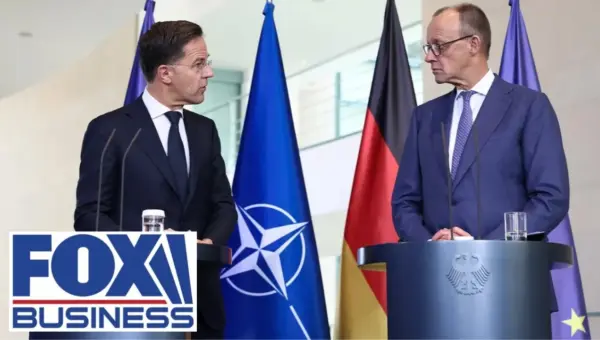
Rutte Faces Backlash: Trump Allies Criticize NATO Chief
NATO Secretary General Jens Stoltenberg's remarks on global safety and Iran's nuclear program have drawn fire from Trump allies. Former State Department official Christian Whiton called Stoltenberg the "odd man out" in Europe, questioning the substance behind his supportive words for U.S. policy. The debate also raises questions about potential U.S. troop realignments within the NATO alliance.


Iran Tests Strait of Hormuz Control, Challenges Global Oil Flow
Iran is asserting control over the Strait of Hormuz, impacting global oil flow and challenging the U.S. This move has complex implications for international trade, U.S.-China relations, and regional stability. The situation highlights Iran's strategic positioning and its perceived ability to influence global energy markets.
Lebanon Reels From Attacks; China Mediates Iran Conflict
Lebanon is reeling from Israeli attacks on Beirut, hours after a ceasefire with Iran was announced. Hundreds were injured, and rescue efforts continue amidst a deepening humanitarian crisis. Meanwhile, China has emerged as an unlikely mediator, leveraging its economic ties with Iran to push for de-escalation.