Taiwan Opposition Leader Visits China Amid Rising Tensions
Taiwan's opposition leader's visit to China is drawing criticism amid rising regional tensions. The trip occurs as China increases pressure on the island, while US lawmakers double down on support for Taiwan's defense. The controversy highlights the delicate geopolitical balance and Taiwan's internal political divisions.

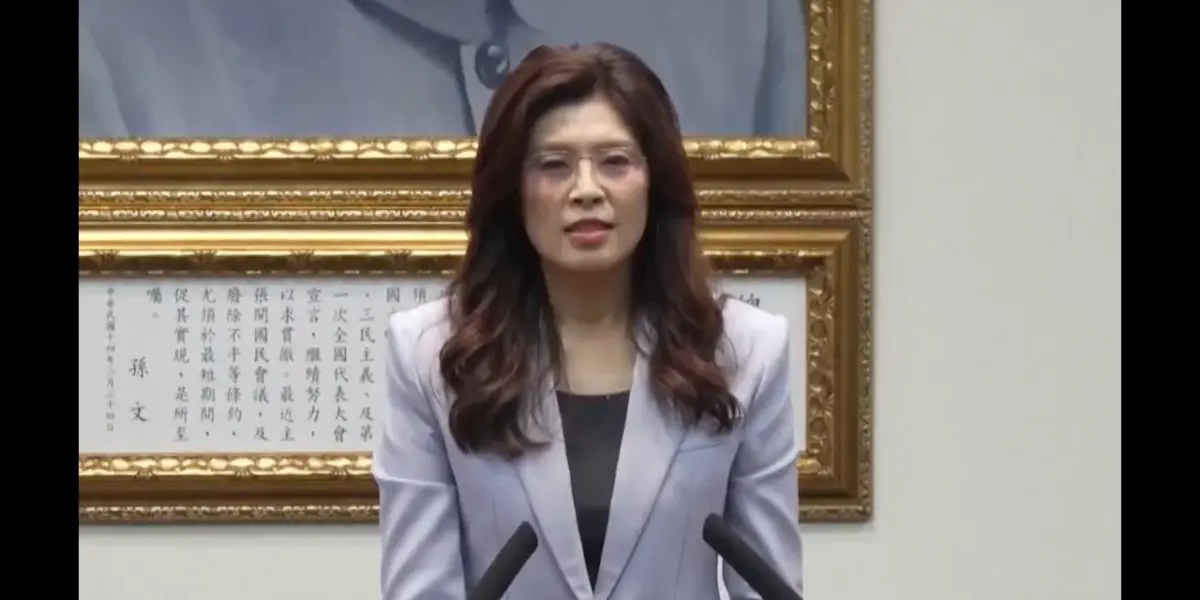
Taiwan Opposition Leader’s China Visit Sparks Controversy
Taiwan’s top opposition leader has traveled to China, a move that has ignited strong criticism. This visit occurs as China increases pressure on the self-governing island. Meanwhile, lawmakers in the United States are reinforcing their support for Taiwan’s defense capabilities. The situation highlights the complex and often tense relationship between Taiwan, China, and its international allies.
A Journey for Peace or a Political Pawn?
The opposition leader arrived in Shanghai and was met by officials from the Chinese Communist Party. She described her six-day trip as a mission for peace. However, critics argue that this visit plays directly into Beijing’s strategy. China expert Gordon Chang stated that the leader’s presence in China might be an attempt to undermine her country. Her political party, the Kuomintang (KMT), is generally viewed as having a more favorable stance towards Beijing compared to the current ruling party.
Defense Package Stalled Amidst Military Threats
The KMT party is currently blocking a significant $40 billion defense spending package in Taiwan’s parliament. This is happening even as China continues to conduct military exercises near Taiwan. Chinese President Xi Jinping has reportedly instructed his military to be prepared to take Taiwan by force if necessary, with a stated readiness by 2027. In contrast, the United States recently approved its largest-ever weapons sale to Taiwan, valued at $11 billion. The effectiveness of this aid, however, is questioned if Taiwan’s parliament, influenced by the KMT, does not approve the necessary defense funds.
US Lawmakers Express Concern and Urge Action
A group of American lawmakers is currently in Taiwan, led by Congressman Zach Nunn, a vocal critic of the Chinese Communist Party. This follows a visit last week by a bipartisan group of senators who met with Taiwan’s President. These visiting officials have voiced concerns about Beijing’s increasing military activities around Taiwan. They are actively encouraging Taiwan’s parliament to pass the defense package. The lawmakers warn that any delays in approving these funds could weaken Taiwan’s ability to deter potential aggression from Beijing.
Global Scrutiny on Taiwan’s Future
With President Trump preparing for an important meeting with Chinese leader Xi Jinping next month, global attention is focused on Taiwan. The key question is whether Taiwan’s security and its relationship with China will become a central topic of discussion. The opposition leader’s visit to China, coupled with stalled defense funding and increased military posturing, creates a critical juncture for Taiwan’s geopolitical standing.
Why This Matters
This situation is critical because it directly impacts regional stability and the democratic future of Taiwan. China views Taiwan as a renegade province and has not ruled out the use of force to achieve unification. The opposition leader’s visit, while framed as a peace initiative, could be interpreted by Beijing as a sign of division within Taiwan and potentially embolden its assertive stance. The delay in passing a crucial defense package, at a time of heightened military threats, raises serious questions about Taiwan’s preparedness and its ability to defend itself. The strong support from US lawmakers underscores the international community’s concern and their commitment to Taiwan’s security, but ultimately, Taiwan’s own political decisions regarding defense spending are paramount.
Implications and Future Outlook
The implications of this visit are far-reaching. If China perceives Taiwan as internally divided or less committed to its defense, it could escalate its pressure. Conversely, if the opposition leader’s visit leads to any de-escalation or improved dialogue, it could be seen as a diplomatic success, though this is a contested view. The future outlook depends heavily on how Taiwan’s parliament resolves the defense package debate and how both China and the US react to these developments. The upcoming meeting between Presidents Trump and Xi will also be a significant factor in shaping the geopolitical landscape surrounding Taiwan.
Historical Context
Taiwan has been self-governing since 1949, following a civil war. However, the People’s Republic of China has never recognized its independence and claims sovereignty over the island. Historically, the Kuomintang (KMT) party, which ruled Taiwan for decades, maintained a complex relationship with mainland China, advocating for eventual unification under certain conditions. The current ruling party, the Democratic Progressive Party (DPP), generally favors maintaining Taiwan’s de facto independence. The KMT’s current stance on defense spending, therefore, is seen by many as a continuation of its historical approach, but occurring at a particularly volatile moment.
Source: Taiwan Opposition Leader's Visit to China Draws Backlash (YouTube)

Related Articles
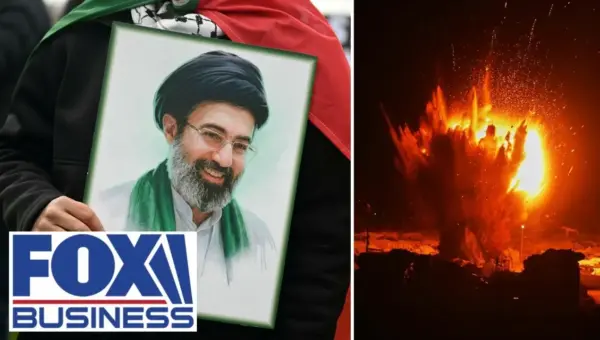
Activist Slams Democrats on Iran War Rhetoric
An Iranian human rights activist sharply criticized Democratic politicians for labeling former President Trump's potential military actions against Iran as war crimes. Goldie Ghamari argued that the Iranian regime itself is the true war criminal, citing its human rights abuses and use of citizens as human shields.

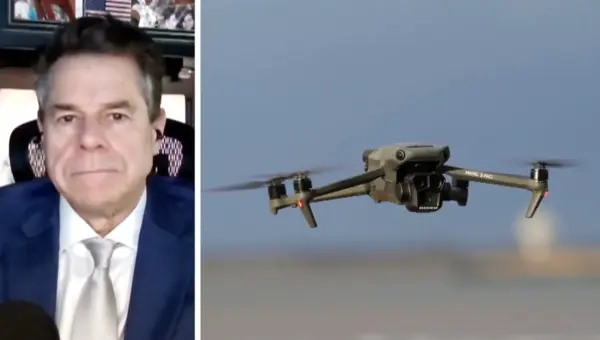
China’s Shadow Drones Test US Defenses
Sophisticated drones are being spotted near U.S. military bases, raising national security alarms. Experts believe China is behind these activities, using them to test defenses and gather intelligence as part of an "unrestricted warfare" strategy. Individuals are urged to educate themselves and reduce reliance on Chinese goods to counter this threat.


Iran’s Ceasefire Masks Deep Fear, Calls for Intervention
Despite a recent two-week ceasefire, Iranians remain deeply fearful of their regime's reprisal. An Iranian American doctor criticizes the government's brutality and calls for decisive action, comparing the situation to WWII. The U.S. claims military objectives are met, but questions remain about Iran's long-term safety and potential nuclear ambitions.