Science & Space
Earth’s Planetary Status Questioned, Figure-8 Orbits Debunked
Exploring Earth's planetary status, the impossibility of figure-8 orbits, the ongoing debate about dark matter's composition, and the future of human spaceflight.
6 articles
Exploring Earth's planetary status, the impossibility of figure-8 orbits, the ongoing debate about dark matter's composition, and the future of human spaceflight.
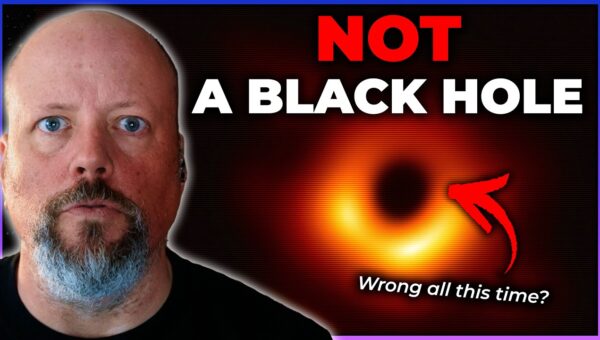
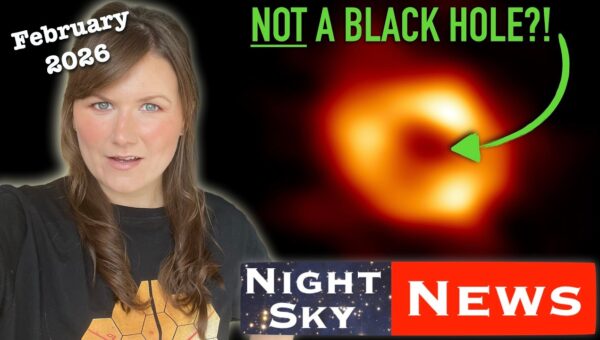
New research proposes that Sagittarius A*, the supermassive object at the Milky Way's center, might not be a black hole but a dense concentration of dark matter. Future observations of its photon ring could reveal the truth.
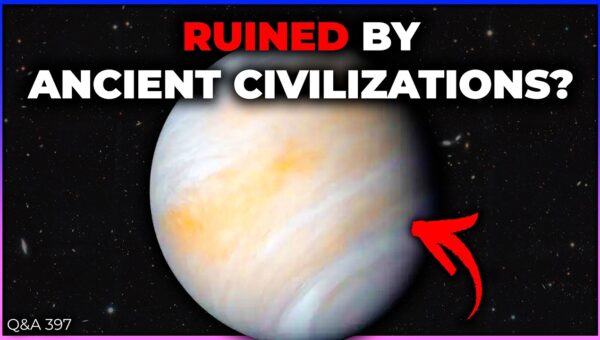
The concept of dark matter is rooted in a wealth of observational data, not mere theory. Scientists are using new tools to unravel this cosmic mystery, while also clarifying phenomena like the Great Attractor and the extreme climate of Venus.
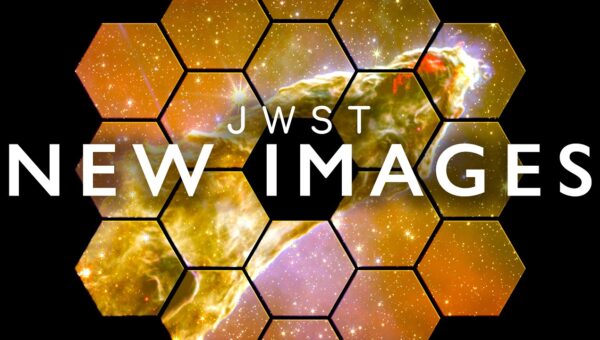
The James Webb Space Telescope has discovered early galaxies that are far too mature and bright for current cosmological models, suggesting the early universe was more developed than previously thought. This finding may point to the existence of 'Dark Stars.'
Fraser Cain's recent Q&A session highlighted the exciting advancements in exoplanet discovery, solar system exploration, and the enduring mysteries of dark matter and energy. The discussion underscored humanity's ongoing quest to understand our place in the cosmos.
February 2026 skies offer a planetary parade and lunar eclipse. Meanwhile, JWST's 'little red dots' may be direct collapse black holes, and new research suggests the Milky Way's center could be a dark matter blob, not just a black hole.