Sweden’s Child Services Seize Kids Over Faith, Court Says No
A Swedish custody case involving a Christian family has raised serious questions about parental rights and religious freedom after their daughters were taken into state care. The European Court of Human Rights rejected the family's appeal, sparking concerns over potential overreach by child protection services.

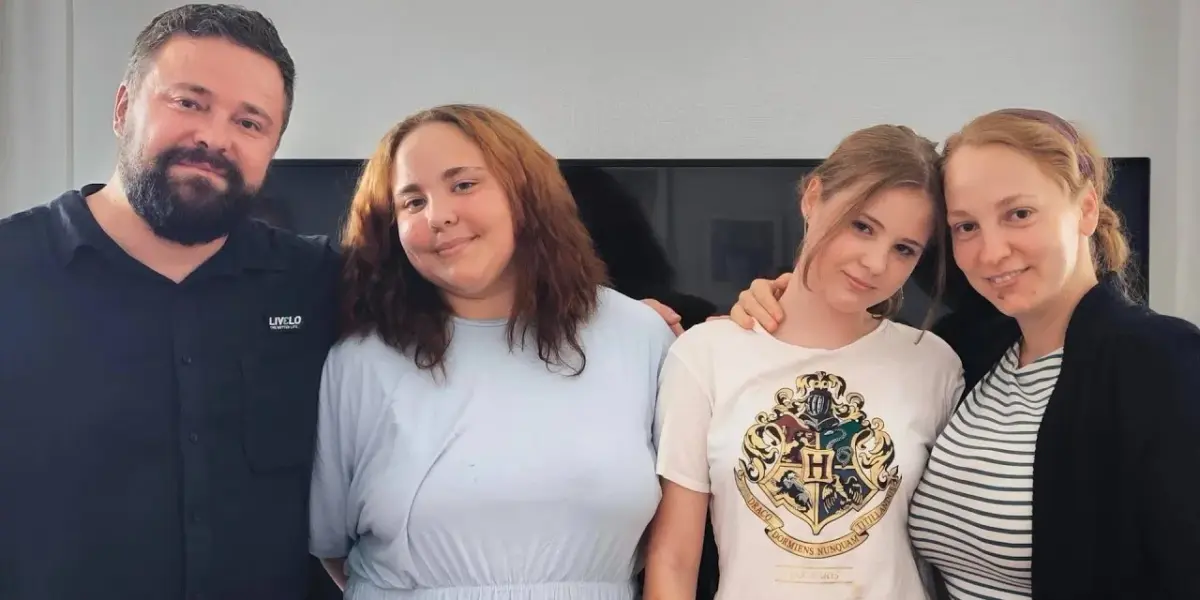
Sweden’s Child Services Seize Kids Over Faith, Court Says No
A European court has recently rejected a custody case brought by a Christian family in Sweden. This decision has sparked serious worries about the rights of parents and children. The European Court of Human Rights declared the case inadmissible, meaning they wouldn’t hear it. This ruling focuses attention on the situation of Daniel and Bianca Samson, a Christian couple whose two oldest daughters were taken by Swedish child protection services.
A False Report and Spiraling Consequences
The troubles began in 2022. The eldest daughter was reportedly upset because her parents wouldn’t let her have a mobile phone or use makeup. She then told her school that there was violence at home. The school alerted authorities, who took the children directly from school. Daniel Samson, the father, stated that things quickly got out of hand. Even after his daughter admitted she had lied and recorded a confession for the police, social services refused to let the children return home.
Concerns Over Parental Rights and Religious Freedom
The Samson family, originally from Romania, had lived in Sweden for nearly ten years. An organization called Alliance Defending Freedom International supported their case at the Human Rights Court. They argue that Swedish authorities ignored the children’s best interests. They refused to reunite the family even when the allegations were dropped and prosecutors found no proof of abuse. Child protection services later accused the parents of being religious extremists. This was based on their refusal to let the girls wear makeup and their regular church attendance three times a week.
Daniel Samson recalled, “They have confiscated from them all the religious books, Bibles, audio stories, books and they said what you give to your children is violence.” He contrasted this with their current situation, where the children watch TV series like “Squid Game” which features explicit violence.
The Samsons are members of the Romanian Pentecostal Church. Daniel explained their way of life: “We live by the Bible’s teachings. So we don’t smoke, we don’t do drugs, we don’t do alcohol, we don’t steal – all the commandments that the Bible say.” He emphasized their goal to raise their children with Christian values and make them useful members of society. He also clarified his reasons for not allowing his daughter a phone or makeup. He stated that his daughter mentioned colleagues at school watched pornography, which he deemed inappropriate for her. Regarding makeup, he told her she was only 10 and had beautiful skin, suggesting that using makeup too early could make her look older than she was.
Delays, Overreach, and Emotional Toll
Alliance Defending Freedom International has raised serious concerns about the Swedish child welfare system. They point to potential delays, overreach by authorities, and possible discrimination against Christians. Currently, the Samson parents are only allowed one supervised visit with their daughters each month. This is made more difficult because the girls are in different foster homes. The family has had to travel long distances, covering up to 1,400 kilometers, just to see them. The daughters have reportedly been moved multiple times since 2023.
The parents completed a state-required parenting course, which they felt confirmed their ability to care for their children. Despite this, their daughters, Sarah and Tiana, were not returned to them. According to the parents, both girls are struggling emotionally. They have reportedly attempted suicide, and their school performance has declined. One of the daughters pleaded with her parents, “Please take me home. Please take me home. I don’t want to be here. I will die here.”
Financial Incentives and Lack of Response
Alliance Defending Freedom International has also expressed concerns about potential financial incentives within Sweden’s foster care system. They suggest these incentives might unintentionally encourage delays in reuniting families. NTD reached out to Swedish social services for comment but had not received a response at the time of reporting.
Why This Matters
This case highlights a critical tension between state child protection and parental rights, particularly for families with strong religious beliefs. It raises questions about how deeply a government should interfere in family life based on cultural or religious differences. The decision by the European Court of Human Rights to not hear the case leaves the Samsons without further legal recourse in Europe. It also suggests that Sweden’s actions, however controversial, may align with the court’s interpretation of existing laws. This situation could embolden similar actions by child protection services in Sweden or elsewhere if not carefully examined. It forces us to consider what constitutes appropriate state intervention and where the line should be drawn to protect both children and family autonomy.
Historical Context and Future Outlook
Concerns about child welfare systems and state intervention in family matters are not new. Throughout history, governments have grappled with balancing the need to protect vulnerable children with the fundamental right of parents to raise their families. However, in recent decades, many Western countries have expanded the powers of child protection agencies. This has sometimes led to cases where parents feel their rights have been violated. The Samson case fits into a broader discussion about cultural values and religious freedom in secular societies. As societies become more diverse, disagreements over parenting styles, religious practices, and child-rearing norms are likely to increase.
The future outlook for families like the Samsons depends on ongoing legal challenges and public debate. There is a growing movement in some countries to reform child welfare laws, giving more weight to parental rights and family unity. However, child protection agencies often argue that they need broad powers to act swiftly when they believe a child is at risk. The European Court of Human Rights’ decision in this case may set a precedent, signaling a reluctance to intervene in national child protection decisions unless there is clear evidence of gross human rights violations. This could mean that families in similar situations in Sweden may face significant hurdles in challenging state custody decisions through European courts.
Source: Sweden Custody Case Sparks Rights Concerns (YouTube)

Related Articles


India’s Trans Community Loses Self-Identification Rights
India's transgender community has lost its right to self-identification following the enactment of a new law. The legislation removes protections for gender queer identities and mandates doctors to report gender-affirming procedures. This has led to widespread fear, anger, and despair among transgender individuals.

Latin America Adopts El Salvador’s Mega-Prison Model
El Salvador's controversial mega-prison model, which has led to a drastic drop in homicides, is inspiring security policies across Latin America. Leaders from countries like Costa Rica, Chile, Argentina, and Ecuador are exploring or implementing similar large-scale detention facilities for alleged gang members, raising concerns about human rights and due process.


Faith, Choice, and Family: A New Look at Belief
A young individual shares how their mother encouraged them to choose their own religious path, leading to an agnostic decision. The story also touches on evolving family dynamics and Western interpretations of Islam.