Supreme Court Weighs Mail-In Ballots: A Threat to Democracy?
The Supreme Court heard a pivotal case concerning mail-in ballots, RNC v. Mississippi, potentially impacting millions of voters. Arguments revealed deep divisions among justices, with some questioning early voting and mail-in ballots altogether.

Supreme Court Weighs Mail-In Ballots: A Threat to Democracy?
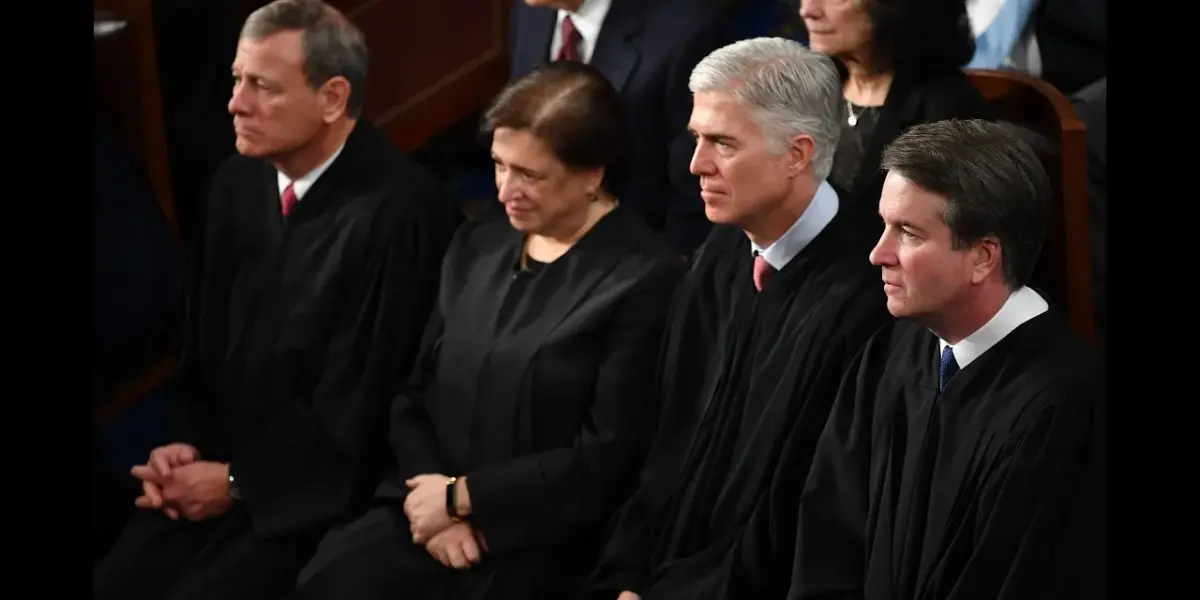
The U.S. Supreme Court recently heard a major case, RNC versus Mississippi, that could significantly impact how millions of Americans vote by mail. This case centers on whether ballots mailed by Election Day but received afterward should be counted. The arguments presented revealed a deep divide among the justices, hinting at potential challenges not just to mail-in voting but also to early voting itself.
The Core of the Dispute
At the heart of the case is a federal law setting Election Day as the Tuesday following the first Monday in November. The Republican National Committee (RNC) argues that under this law, ballots must be both cast and received by Election Day. Conservative justices seemed to agree with this strict interpretation, even questioning the legality of early voting and mail-in ballots cast before Election Day.
Conversely, liberal justices defended the states’ rights to manage election rules. They pointed out that Congress, when setting Election Day, likely didn’t intend to ban the counting of ballots received shortly after.
A Look at the Justices’ Positions
The arguments seemed to divide the court into three main groups:
- The strictest conservatives: Justices Thomas, Alito, and Gorsuch appeared ready to rule that ballots must be received by Election Day. They also raised concerns about early voting, suggesting it might violate the spirit of the federal law.
- The liberal justices: These justices strongly defended the states’ authority to set election procedures and pushed back against the RNC’s arguments, seeing them as an overreach.
- The swing justices: Chief Justice Roberts remained relatively quiet, possibly observing how the other camps formed. Justice Barrett questioned both sides, showing a willingness to scrutinize the arguments closely. Justice Kavanaugh also asked probing questions, particularly about the impact on voters and the legal principle of not changing election rules close to an election (known as the Purcell principle).
Historical Echoes and Future Concerns
During the arguments, a historical point was raised: in the 2000 presidential election, Republicans supported counting late-received mail-in ballots that were crucial to George W. Bush’s victory. The RNC’s lawyer, Paul Clement, dismissed this as a distraction, calling it a “red herring.” However, some observers felt this historical context highlighted a potential shift in the Republican party’s stance on mail-in voting.
Beyond mail-in ballots received after Election Day, the discussion broadened. Justices, particularly on the conservative side, explored whether the very act of verifying voters, which often happens after Election Day, could invalidate ballots. This raised concerns that the case could be a stepping stone to challenging all forms of early and absentee voting, aligning with calls to “stop the count” seen in past elections.
Implications for Future Elections
The potential implications are vast. If the Court adopts a strict interpretation, it could disenfranchise millions of voters who rely on mail-in or early voting. This could significantly alter election outcomes, especially in closely contested races. The timing of a ruling is also critical; a decision made too close to an election could cause widespread confusion and chaos, as courts are generally hesitant to change election rules shortly before voters cast their ballots.
The RNC’s legal strategy appears aimed at dismantling widespread absentee and early voting, potentially limiting mail-in voting only to military personnel serving abroad. This aligns with a broader vision of election day being the sole period for voting and vote counting, a stance promoted by Donald Trump.
Why This Matters
This Supreme Court case is more than just a legal technicality about mail-in ballot deadlines. It represents a critical battle over the accessibility and integrity of American elections. The outcome could reshape voting practices nationwide, impacting who can vote, how they can vote, and ultimately, who gets elected. The justices’ deliberations reveal a deep philosophical divide on the nature of voting rights and the federal government’s role in overseeing elections. The potential for this case to be a prelude to further challenges against various voting methods underscores the ongoing efforts to define the future of democratic participation in the United States.
Looking Ahead
While the Court’s final decision is months away, the arguments suggest a potential narrowing of voting access. The conservative majority’s focus on strict adherence to Election Day deadlines and the questioning of early voting processes indicate a likely ruling in favor of the RNC’s position, at least in part. The extent to which this ruling affects early voting and other forms of absentee ballots will depend on how the justices interpret the federal law and the states’ powers. For now, the future of mail-in voting hangs in the balance, with profound consequences for the upcoming elections and the health of American democracy.
Source: “Blockbuster!” MAJOR UPDATE at US Supreme Court (YouTube)

Related Articles
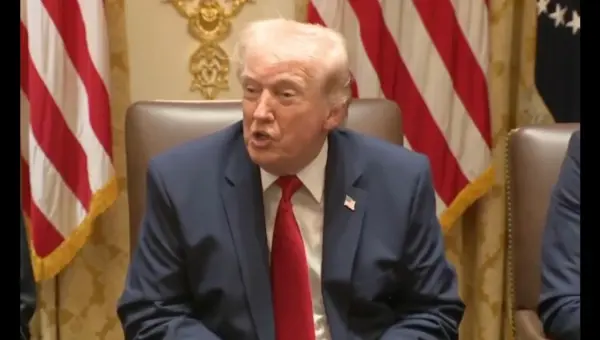
Trump’s Mail-In Ballot Hypocrisy Fuels Voter Suppression Debate
Donald Trump's personal use of mail-in ballots contradicts his public stance against them, fueling concerns about voter suppression. Evidence suggests widespread voter fraud is rare, and efforts to restrict voting access disproportionately affect marginalized communities.

Voter ID Law Sparks Debate: Security vs. Access
The Save America Act proposes voter ID and proof of citizenship, sparking debate. Supporters cite election security, while critics fear voter suppression. The core issue is balancing accessibility with the need for secure elections.
Trump’s War Talk & Court Tirade Stun GOP
Donald Trump recently delivered a speech where he discussed military operations in Iran, calling them "operations" to avoid needing congressional approval. He also launched a strong attack on the Supreme Court, labeling justices, including his own appointees, as "criminals."