Supreme Court Weighs Mail-In Ballot Deadlines
The Supreme Court is hearing a crucial case that could determine mail-in ballot deadlines for future elections. The core issue is whether ballots must be received by Election Day or simply cast by then. This decision carries significant weight for millions of voters and election administration nationwide.

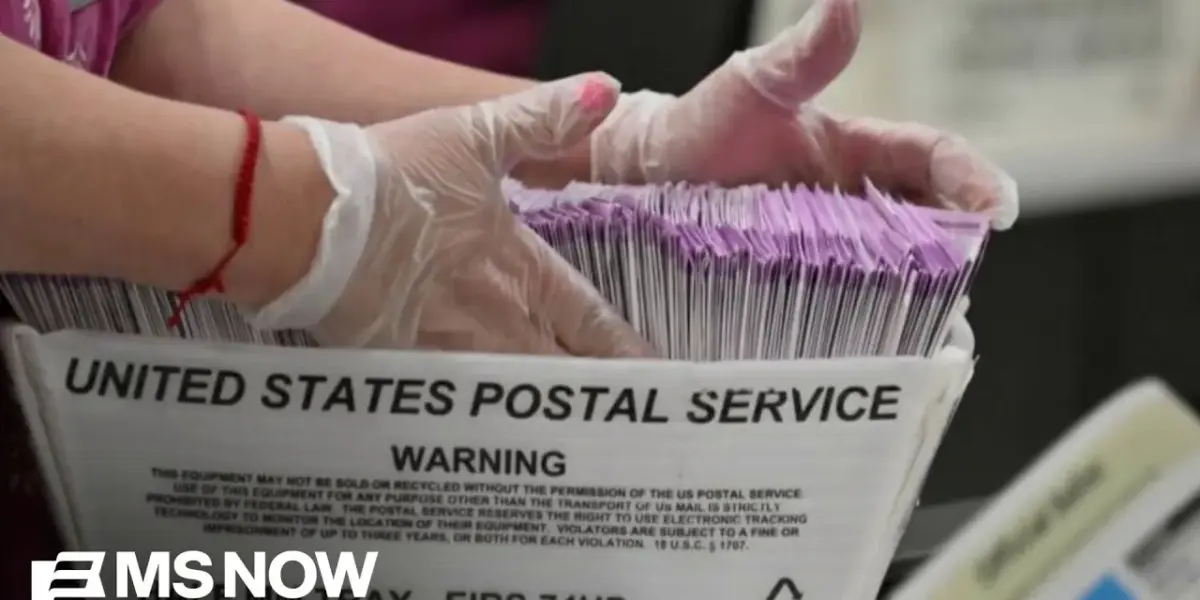
Supreme Court Tackles Mail-In Ballot Deadlines
The Supreme Court is set to hear arguments today in a critical case that could significantly impact the upcoming midterm elections. The central question revolves around Mississippi’s mail-in voting law, which allows a five-day grace period for ballots to arrive after Election Day. The court must decide whether election officials must receive these ballots by Election Day itself, or if ballots cast by Election Day but arriving later are still valid.
Defining ‘Election’
At the heart of the legal battle is the definition of the word “election.” Mississippi argues that an election is the act of voting, meaning a mail-in ballot counts if it is mailed by Election Day. However, the Republican National Committee (RNC), supported by the Trump administration, contends that an election refers specifically to Election Day, which they define as the first Tuesday after the first Monday in November. They believe this should be a single, uniform day for all voters.
Wider Implications for Voters
The implications of this ruling are substantial. Fourteen states and four U.S. territories currently have grace periods for mail-in ballots, allowing them to accept ballots for several days after Election Day. A decision favoring the RNC’s position could jeopardize votes cast in these areas. While the Trump administration has suggested an exemption for active-duty military members serving overseas, the ruling could still affect domestic voters.
“The stakes here are really, really high,” a legal affairs reporter noted, highlighting the potential impact on voters.
Many voters, particularly those in rural communities and elderly citizens, rely on mail-in voting to cast their ballots. If ballots must be received by Election Day, voters might need to mail them much earlier, potentially before late-breaking news or events could influence their decisions. This could disenfranchise voters who wait until the last minute to cast their ballot.
Administration’s Stance
The Trump administration, through its Solicitor General John Sauer, is personally arguing the case, underscoring its importance. This involvement reflects President Trump’s consistent claims of election fraud and his skepticism regarding mail-in voting. The administration views this case as a key priority in its efforts to shape election procedures.
Broader Election Law Context
This case comes at a time of heightened scrutiny over election laws. President Trump is actively promoting the “Save America Act,” which critics argue could disenfranchise millions. Furthermore, the Supreme Court may issue rulings on the Voting Rights Act before the year concludes, adding to the significant legal developments surrounding voting rights and election integrity.
Other Key Cases
The Supreme Court is also hearing arguments in another significant case concerning asylum seekers. This case hinges on the interpretation of the word “arrive” in the context of seeking asylum at the U.S. border. The question is whether asylum can be sought from the Mexican side of the border or if individuals must be physically on U.S. soil to make a claim. Past policies, like “metering” implemented by the Trump administration, have restricted asylum seekers’ ability to present themselves on the Mexican side.
Press Freedom Victory
In a separate development, a federal judge ruled that the Pentagon’s ban on New York Times reporters was unconstitutional. This decision is a major win for press freedom. The judge found the Pentagon’s restrictive press policy violated both the First and Fifth Amendments and ordered the immediate reinstatement of the reporters’ credentials. The Pentagon Press Association has called for all journalists’ credentials to be reinstated, as many had refused to sign the restrictive policy. The policy had limited reporters’ access within the Pentagon, their ability to question officials, and even required Pentagon approval for published material. The judge’s ruling emphasized the importance of press access, especially during times of conflict, to ensure the public receives diverse viewpoints.
What’s Next
The Supreme Court’s decision on the mail-in ballot deadline case will have immediate consequences for election administration across the country. All eyes will be on the justices’ interpretation of “election” and how it balances the need for timely voting with ballot security. The outcome could reshape how states handle absentee and mail-in ballots in future elections.
Source: 'The stakes here are really high': SCOTUS to hear mail-in voting case (YouTube)

Related Articles

Supreme Court Cases Threaten Rights, But Congress Holds a Fix
The Supreme Court's recent hearings on mail-in ballots and asylum suggest rulings that could restrict voting access and limit refugee claims. However, these decisions are based on statutes, giving Congress the power to enact fixes if Democrats regain power, potentially safeguarding these rights.


Florida Shockwave: Red State Flip Signals GOP’s Midterm Peril
Democrats have secured key victories in deep-red Florida districts, boosting their chances of winning both the House and Senate in the upcoming midterms. This surprising trend suggests a potential shift in voter sentiment, even in traditionally Republican strongholds.

Polls Reveal Deep Voter Concerns Over War, Economy for Trump
Recent polls and political analysis suggest President Trump faces significant challenges due to voter concerns about the prolonged conflict in Iran and the struggling economy. Republicans are growing anxious as these issues impact the president's standing, while Democrats see an opportunity to present themselves as a more stable alternative.