Supreme Court Weighs Border Asylum Rights
The U.S. Supreme Court is reviewing a policy that limited asylum claims at the southern border, known as metering. This policy allowed agents to turn migrants away before they reached U.S. soil, and lower courts have ruled it violates federal law. The government argues it's necessary to manage border surges.

Supreme Court to Decide Key Asylum Policy
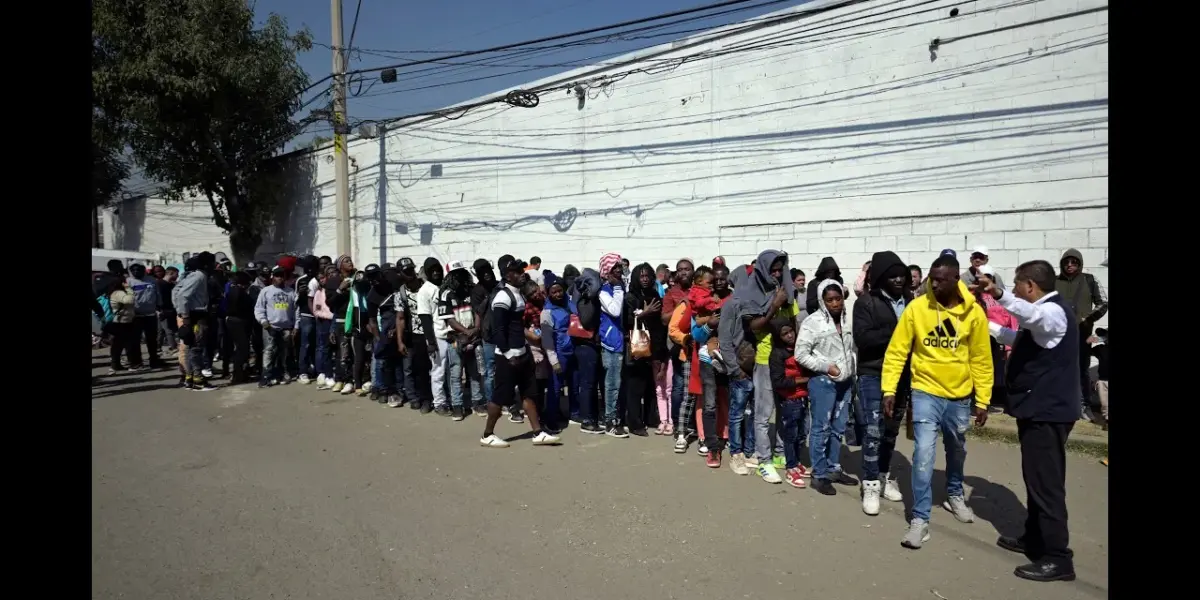
The U.S. Supreme Court is now considering a major immigration case. This case deals with a policy that made it harder for people to seek asylum at the country’s southern border. For a long time, federal law has said that immigrants fleeing danger should be processed at official entry points. However, a policy called “metering” allowed border agents to turn people away before they even reached U.S. soil.
What is Metering and How Did it Work?
Imagine you’re trying to get help, but the door is only open at certain times, and there are too many people already inside. That’s kind of like metering. This policy limited the number of asylum seekers who could present their cases at ports of entry each day. If the daily limit was reached, migrants were often told to wait in Mexico. They were essentially blocked from entering the U.S. to start their asylum claims.
Policy Under Scrutiny
The Biden administration ended this Obama-era policy. However, the Trump administration had previously defended it, and the current Justice Department is still defending it in court. The core question before the Supreme Court is whether people stopped on the Mexican side of the border have a legal right to seek asylum in the United States. Lower courts have already said that this metering policy goes against federal law. They believe it unfairly blocks people who are legally allowed to ask for protection.
Government’s Argument
The government’s main argument is that metering is a necessary tool. They say it helps manage large numbers of people arriving at the border. When many people arrive at once, border facilities can get overwhelmed. The government claims that without such measures, it would be impossible to process everyone fairly or maintain order. They see it as a way to control the flow and ensure a more orderly system.
The Stakes for Asylum Seekers
For migrants fleeing violence or persecution, this case is incredibly important. Being able to seek asylum is a fundamental part of international and U.S. law. If the Supreme Court allows policies like metering to stand, it could make it much harder for vulnerable people to find safety. They might be forced to wait in dangerous conditions in Mexico, facing risks of violence or being sent back to the countries they fled.
Historical Context
The debate over border policies and asylum has a long history. Different administrations have tried various approaches to manage migration. Policies have shifted based on political views and perceived border security needs. Metering itself is a relatively recent tool, but the idea of controlling who enters the country and under what conditions is as old as immigration law itself. The current case highlights the ongoing tension between national sovereignty and humanitarian obligations.
Why This Matters
This Supreme Court decision will have a significant impact on U.S. immigration policy and international refugee law. It will set a precedent for how the government can manage asylum claims at the border. The ruling could affect thousands of people seeking safety each year. It also raises questions about fairness and due process for those trying to enter the country legally to claim protection. The outcome will shape the future of asylum processing and border management for years to come.
Future Outlook
Regardless of the Supreme Court’s decision, the conversation about border security and humanitarian responsibility will continue. This case is part of a larger, ongoing debate. Future policies will likely be influenced by this ruling, as well as by changing global migration patterns and political pressures. The way the U.S. handles asylum claims at its borders reflects its values and its role in the world.
Source: Supreme Court to Decide on Asylum Policy (YouTube)

Related Articles

Supreme Court Cases Threaten Rights, But Congress Holds a Fix
The Supreme Court's recent hearings on mail-in ballots and asylum suggest rulings that could restrict voting access and limit refugee claims. However, these decisions are based on statutes, giving Congress the power to enact fixes if Democrats regain power, potentially safeguarding these rights.


Nigeria’s ‘Kito’ Scam Targets LGBTQ+ People with Violence
Nigeria's LGBTQ+ community is facing a surge in violent 'Kito' scams, where victims are lured online, ambushed, beaten, and blackmailed. Rights groups report over 50 cases since December, highlighting the dangerous exploitation of anti-gay laws and societal homophobia. Survivors share harrowing accounts of physical and emotional trauma, living in constant fear.

Congress Stalemate Threatens Border Security Funding
The U.S. House passed a temporary funding bill for the Department of Homeland Security, but Senate Democrats are expected to block it. This recurring stalemate highlights deep divisions over border policy and funding, potentially impacting national security and international perceptions of U.S. stability.