Supreme Court Weighs Birthright Citizenship in Key Trump Case
The Supreme Court is set to hear arguments in Trump v. Barbara, a case challenging President Trump's executive order to end birthright citizenship. The core debate centers on the 14th Amendment's 'subject to the jurisdiction thereof' clause and historical precedent, potentially impacting hundreds of thousands born in the U.S. annually.

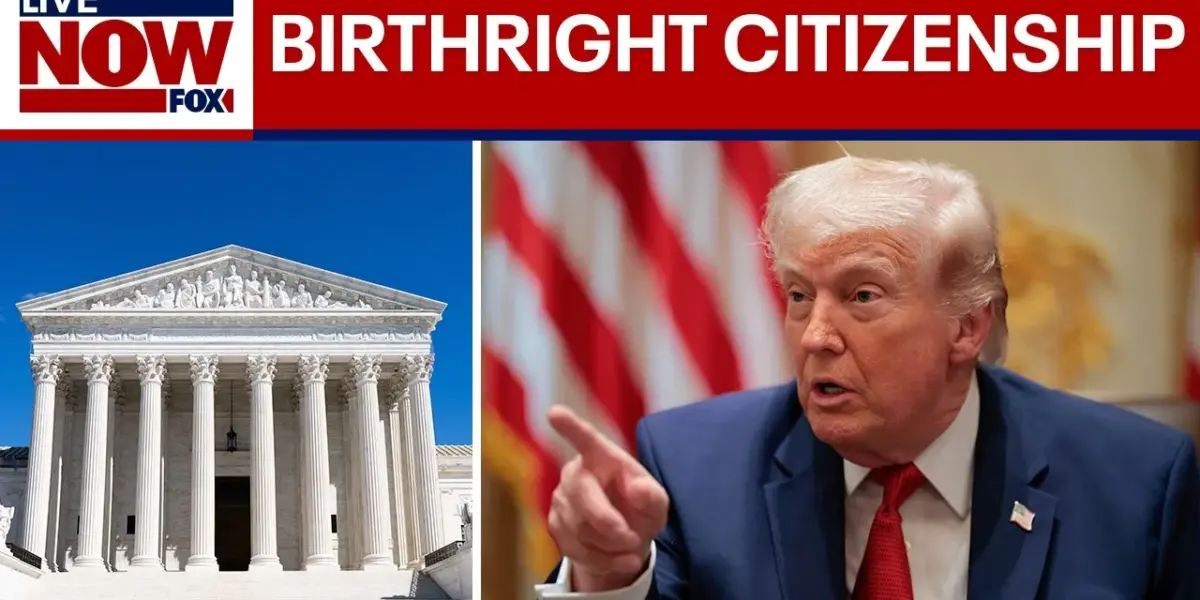
Supreme Court to Hear Landmark Birthright Citizenship Case
The U.S. Supreme Court is set to hear arguments in a pivotal case that could reshape immigration policy. The court will examine President Trump’s executive order that aimed to end birthright citizenship for children born in the U.S. to non-citizen parents. This case, known as Trump versus Barbara, directly challenges a core part of the president’s second-term immigration agenda.
Understanding Birthright Citizenship and the 14th Amendment
Birthright citizenship, a long-standing principle in the United States, is rooted in the 14th Amendment of the Constitution. Ratified in 1868, the amendment states that all persons born or naturalized in the United States are citizens. The key phrase under debate is “subject to the jurisdiction thereof.” This phrase has historically been interpreted to mean that anyone born on U.S. soil is a citizen, with very few exceptions like children of foreign diplomats.
For over 125 years, this interpretation has held firm. It means that children born in the U.S. are generally considered citizens, regardless of their parents’ immigration status. This principle is so deeply ingrained that it’s often taken for granted.
The Core Legal Question Before the Court
The central issue the Supreme Court must decide is the meaning of “subject to the jurisdiction thereof.” The Trump administration’s executive order sought to argue that parents’ immigration status should determine their child’s citizenship, even if the child is born in the U.S. However, immigration attorney Shushan Modi explained that the plain language of the Constitution and the 14th Amendment does not mention parents’ status.
“It doesn’t talk about anything related to the parents,” Modi stated. “So, it doesn’t say, you know, subject to the parents being permanently living here.” She added that a literal reading of the Constitution does not support linking parental status to a child’s citizenship.
Historical Precedent: The Wong Kim Ark Case
The Supreme Court’s decision will likely hinge on a landmark 1898 case, United States v. Wong Kim Ark. This case was the first major interpretation of the 14th Amendment’s citizenship clause, decided just 30 years after the amendment was ratified. Wong Kim Ark was born in California to parents who were Chinese nationals, and at that time, the Chinese Exclusion Act barred Chinese nationals from becoming U.S. citizens.
Despite the discriminatory laws of the era, the Supreme Court ruled that Wong Kim Ark was a U.S. citizen because he was born in the United States. The court focused on the child’s birth within U.S. jurisdiction, not the parents’ nationality or legal status. This ruling has been the cornerstone of birthright citizenship for over a century.
Modi highlighted the difference: “It was really looking at the children, are the children, you know, subject to the jurisdiction of the United States, I think, not what the parent status is.” The Trump administration’s challenge attempts to introduce the concept of parental domicile or permanent residency, an idea not considered in the Wong Kim Ark case, especially since the concept of permanent residency as we know it today did not exist in 1898.
The Court’s Conservative Leanings and Potential Outcomes
The current Supreme Court has a majority of justices appointed by President Trump, leading to a more conservative composition. Some might expect this to favor the administration’s challenge to established legal interpretations. However, Modi suggested this could have the opposite effect.
“If the Supreme Court justices are more conservative… they actually lean towards like a conservative interpretation of the Constitution, like the plain language reading I was mentioning earlier,” Modi explained. She argued that a strict, plain-language reading of the 14th Amendment, which doesn’t mention parental status, might actually lead conservative justices to uphold the long-standing interpretation and strike down the executive order.
Modi believes the court will rule on the merits of the case, determining the constitutionality of the executive order itself. Her prediction is that the order will be deemed unconstitutional. “Personally, I think that this is going to be deemed unconstitutional. President Trump’s executive order that is,” she said.
Broader Implications and Potential Consequences
If, against expectations, the executive order were upheld, the consequences could be far-reaching and create significant uncertainty. Modi raised critical questions: What would be the status of individuals already born in the U.S. whose parents were not citizens? Many have lived their entire lives in the U.S., have no ties to another country, and would risk becoming stateless.
Furthermore, implementing such a policy would create logistical nightmares for hospitals and government agencies tasked with verifying parents’ heritage and immigration status at the time of birth. Modi estimated that such a policy could affect around 250,000 individuals born in the United States each year.
However, Modi does not anticipate this decision will open the door to challenges in other areas of constitutional law. She believes the court will focus narrowly on the specific intent and historical context of the 14th Amendment’s citizenship clause, limiting its impact to this particular issue.
What to Watch Next
The Supreme Court’s decision in Trump v. Barbara will be closely watched for its impact on immigration law and the definition of U.S. citizenship. The ruling is expected to clarify the enduring meaning of the 14th Amendment and affirm or alter a fundamental aspect of American identity. The court’s ultimate decision will provide much-needed clarity on this deeply divisive issue.
Source: Supreme Court to hear birthright citizenship arguments (YouTube)

Related Articles
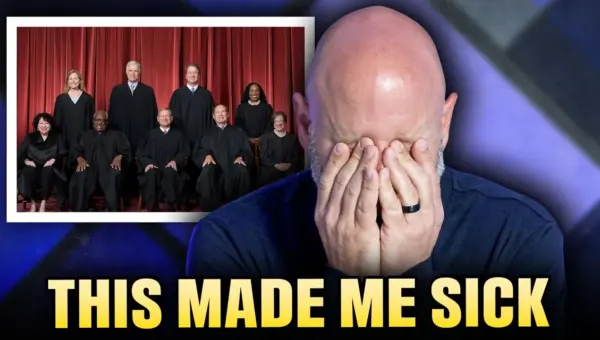
Free Speech vs. Harm: Court’s Conversion Therapy Ruling Sparks Outrage
The Supreme Court's recent decision supporting a challenge to Colorado's ban on gay conversion therapy has ignited widespread concern. While the ruling is technically narrow, focusing on free speech technicalities, critics fear it undermines protections for LGBTQ+ youth and could embolden harmful practices.

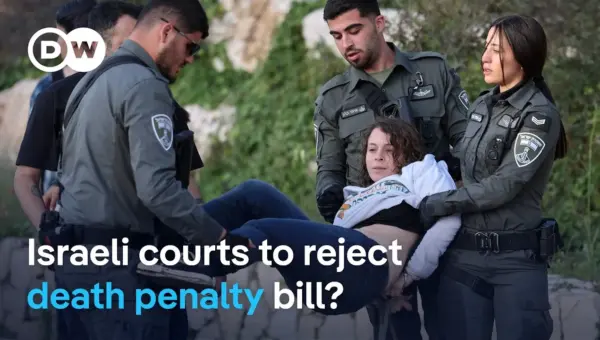
Israel’s Death Penalty Bill Sparks Outrage, Faces Legal Challenge
Israel's parliament has passed a controversial death penalty law for Palestinians convicted of terrorism, sparking widespread protests in the West Bank and drawing international condemnation. The law, set to take effect in 30 days, faces a legal challenge at Israel's Supreme Court and has strained relations with European allies.

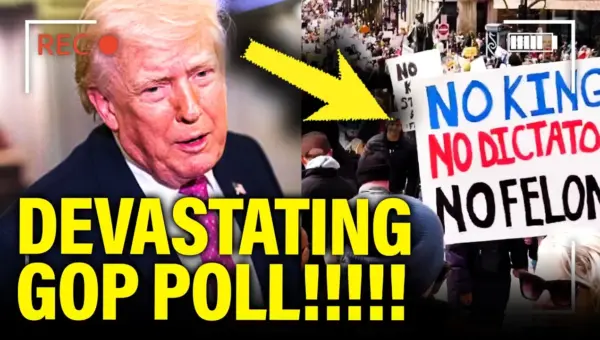
Polls Show GOP Slipping as Wisconsin Court Race Highlights Democracy Battle
A new Gallup poll shows Republicans at a historic low in voter identification, with Democrats holding a significant advantage. This shift coincides with economic anxieties and a key Wisconsin Supreme Court race that highlights national debates on democracy and the rule of law.