Supreme Court Weighs Birthright Citizenship, America’s Identity
The Supreme Court is examining a case that could restrict birthright citizenship for children of undocumented or temporary immigrants. This legal challenge is seen as a larger debate about America's identity and the meaning of the 14th Amendment. A ruling against birthright citizenship could impact hundreds of thousands of children annually and create widespread legal chaos.

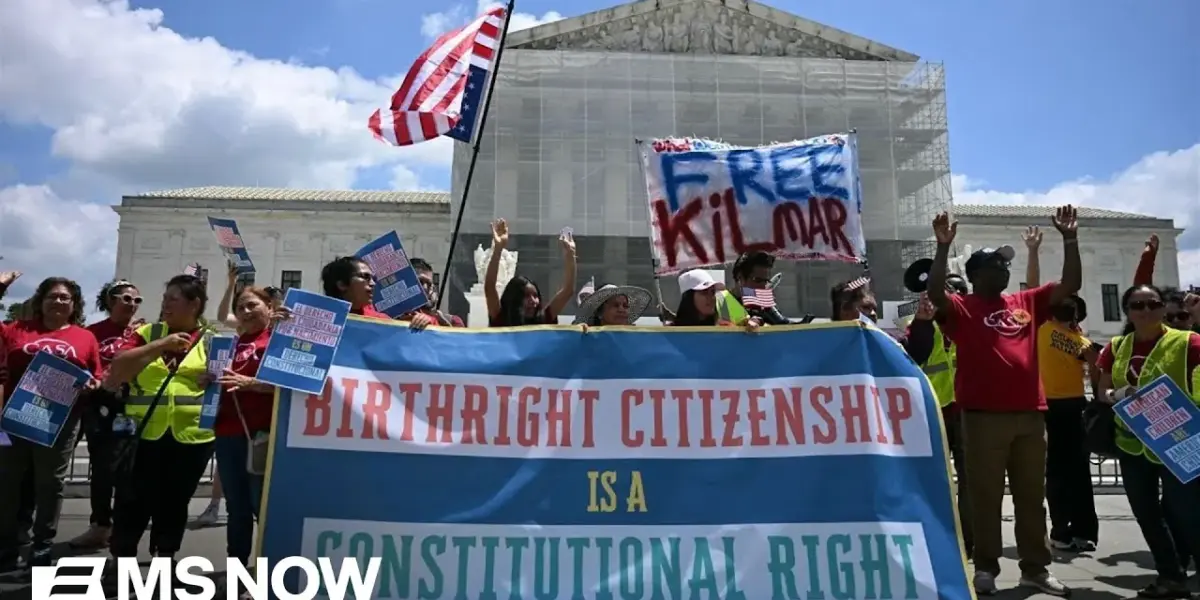
Supreme Court Hears Case on Birthright Citizenship
The Supreme Court has begun hearing arguments in a significant case that could change birthright citizenship for children born to parents in the United States illegally or temporarily. The legal battle centers on a specific interpretation of the 14th Amendment, but experts say it represents a larger debate about the future of American identity.
14th Amendment: A Foundation for Modern America
The 14th Amendment, ratified in 1868 after the Civil War, was a landmark change for American democracy. It declared that all persons born or naturalized in the U.S. and subject to its jurisdiction are citizens. This was a powerful shift from a nation that previously excluded many.
Before the 14th Amendment, the Supreme Court’s Dred Scott decision in 1857 ruled that Black Americans could not be citizens. The amendment reversed this, stating that being born on American soil grants citizenship. It took the power to define citizenship away from individual states and placed it in the Constitution.
Constitutional scholar Kermit Roosevelt III described the amendment’s impact: “A new American nation is formed when we ratify the amendment. It’s an incredible change that people have really sort of played down. Old America, the America of the Founding is destroyed. New America, Reconstruction America is created.” This created a nation built on inclusion, at least in law.
The Legal Argument and Its Roots
The current case asks the court to consider whether individuals in the U.S. without legal status are truly “subject to the jurisdiction” of the United States. The Trump administration’s lawyers argue that they are not, meaning their U.S.-born children would not be citizens. This argument focuses on a narrow reading of the 14th Amendment’s text.
However, critics argue this legal strategy revives arguments from a bygone era. They point to historical opposition to the amendment, which often targeted specific racial and ethnic groups. For example, in 1866, Senator Edgar Cowan questioned whether children of Chinese immigrants should be citizens.
The administration’s case cites historical figures who warned against granting citizenship to immigrants, using language that some scholars describe as racist. These arguments echo those made in the late 19th century, which the Supreme Court rejected in the 1898 case *United States v. Wong Kim Ark*. That ruling affirmed that the 14th Amendment’s text means what it says.
A Broader Vision: Inclusion vs. Exclusion
Experts see the challenge to birthright citizenship as part of a larger ideological struggle. Kermit Roosevelt III identifies this as a conflict between “exclusive individualism” and “inclusive equality.” Exclusive individualism believes the government should protect insiders and exclude outsiders. Inclusive equality holds that outsiders can become insiders, and belonging is guaranteed by birth and presence.
The founding of the U.S. was largely based on exclusive individualism. The Reconstruction Amendments, including the 14th, aimed to establish inclusive equality. The ongoing political debates in America are seen as a fight over which of these visions will prevail.
The conservative think tank Project 2025, which influenced many Trump administration policies, explicitly called for reinterpreting the 14th Amendment to end birthright citizenship. This suggests the legal challenge is not a sudden development but part of a long-standing agenda with deep historical roots.
Consequences of Changing Birthright Citizenship
If the Supreme Court rules against birthright citizenship, an estimated 250,000 newborns each year could be denied citizenship. This could lead to a complex legal situation with families facing uncertainty about their children’s rights.
The American Bar Association has warned that abandoning birthright citizenship would create widespread legal chaos. It could affect access to public benefits, voting rights, education, and even basic identity documentation. A clear, universal rule that has stood for over a century would be replaced by a patchwork of rights.
Beyond the legal implications, the case sends a message about national identity. President Trump’s personal attendance at the oral arguments signaled the importance he places on this issue. Critics argue that this challenge aligns with a desire to return to a past where the government determined who belonged based on exclusionary principles, often tied to race.
The Supreme Court’s Decision and Future Implications
The decision now rests with the nine justices of the Supreme Court. Their ruling will determine whether the court upholds the established understanding of the 14th Amendment or allows a reinterpretation that could fundamentally alter American citizenship.
The Trump presidency will eventually end, but the court’s decision in this case could shape its legacy for generations. The outcome will reflect which vision of America—one based on broad inclusion or one rooted in historical exclusion—will guide the nation’s future.
Source: Birthright citizenship & the battle between two visions of America (YouTube)

Related Articles


Trump’s Birthright Citizenship Plan Risks Undoing Progress
Kermit Roosevelt III, a constitutional law professor, argues that Donald Trump's challenge to birthright citizenship echoes post-Civil War efforts to undermine civil rights. The debate centers on the 14th Amendment's "subject to the jurisdiction" clause, with Roosevelt asserting the administration's interpretation is historically inaccurate and legally unsound. He believes the Supreme Court will likely reject the argument, but warns of broader implications for national identity and civil rights.
Supreme Court Weighs Birthright Citizenship: A 150-Year Precedent at Risk
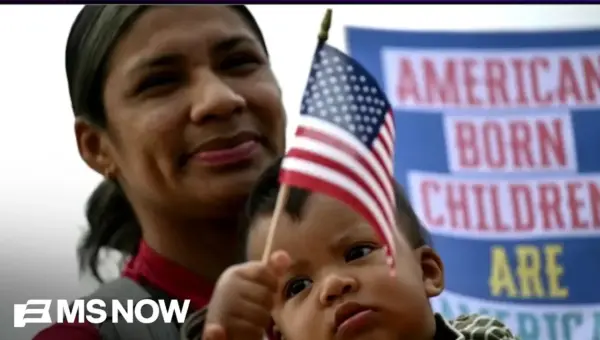
The U.S. Supreme Court is reviewing a challenge to birthright citizenship, a principle enshrined in the 14th Amendment for 150 years. The Trump administration's attempt to end automatic citizenship for children born in the U.S. to non-citizen parents faced skepticism from justices. If overturned, the decision could impact millions and alter America's identity as a nation of immigrants.

SCOTUS Ruling Fuels Debate on Conversion Therapy Bans
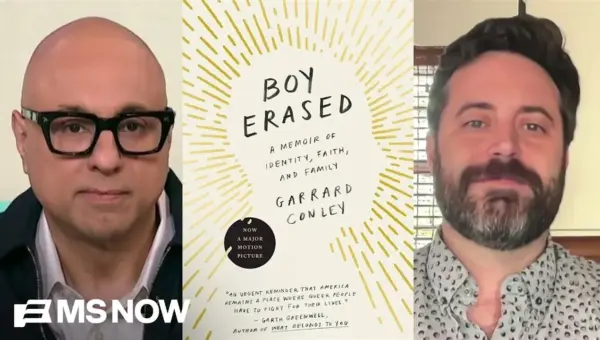
The Supreme Court has overturned Colorado's ban on conversion therapy for minors, sparking widespread concern. Author Garrard Conley, who experienced the practice, warns it "thrives on the slow disintegration of the soul." Statistics show conversion therapy continues to harm LGBTQ+ youth, with a significant percentage reporting suicide attempts.