Supreme Court Weighs Birthright Citizenship: A 150-Year Precedent at Risk
The U.S. Supreme Court is reviewing a challenge to birthright citizenship, a principle enshrined in the 14th Amendment for 150 years. The Trump administration's attempt to end automatic citizenship for children born in the U.S. to non-citizen parents faced skepticism from justices. If overturned, the decision could impact millions and alter America's identity as a nation of immigrants.

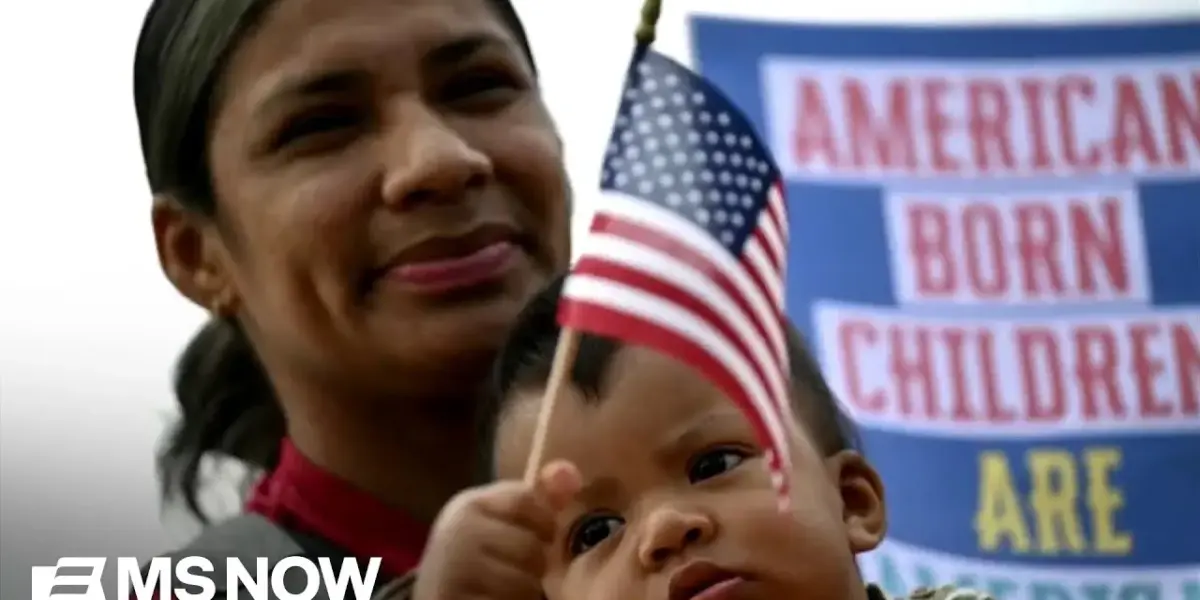
Court Hears Challenge to Birthright Citizenship
The Supreme Court is considering a significant challenge to the long-standing principle of birthright citizenship in the United States. During oral arguments, Supreme Court justices appeared skeptical of the Trump administration’s attempt to limit automatic citizenship for children born on U.S. soil. This case could overturn a precedent that has been in place for 150 years, impacting millions of families.
What is Birthright Citizenship?
Birthright citizenship, also known as jus soli, is the legal right to be a citizen of a country based on being born within its territory. In the United States, this principle is rooted in the 14th Amendment to the Constitution, adopted in 1868. The amendment states, “All persons born or naturalized in the United States, and subject to the jurisdiction thereof, are citizens of the United States and of the State wherein they reside.” This means that children born in the U.S. are automatically U.S. citizens, regardless of their parents’ immigration status. This concept is considered by many to be a fundamental part of American identity, as described by Democratic Congressman Adriano Espaillat, Chairman of the Congressional Hispanic Caucus, who called it “as American as apple pie.”
The Trump Administration’s Challenge
The Trump administration sought to end birthright citizenship through an executive order. This order aimed to grant citizenship only to children born to at least one U.S. citizen parent or a legal permanent resident parent. This would have denied citizenship to children born to parents who were in the U.S. without legal status, even if they had been living in the country for years. Lower courts had already ruled this executive order illegal, preventing it from taking effect. The Supreme Court’s review represents a critical juncture for this policy.
Arguments and Concerns
During the oral arguments, justices questioned the administration’s legal basis for challenging birthright citizenship. Congressman Espaillat expressed his hope that the court would uphold the 14th Amendment. He highlighted that the principle of birthright citizenship has been litigated and affirmed multiple times throughout U.S. history, including in key cases like Wong Kim Ark and through subsequent legislation like the Nationality Act of 1940 and the Immigration and Nationality Act of 1952. These laws ratified the concept, showing a consistent understanding of its importance.
Espaillat warned of the significant consequences if birthright citizenship were overturned. He estimated that potentially 255,000 children could be born without a country each year if the policy changed. “This is really the country is a very radical with so far as how we’ve understood the country to be throughout its history,” he stated. He believes such a change would represent a U-turn from America’s identity as a nation that welcomes immigrants, moving towards a more nativist approach.
Justice Ketanji Brown Jackson’s questioning also raised practical concerns. Espaillat noted that such a change could create a cumbersome process for all expectant parents, potentially requiring them to prove their citizenship status while giving birth in a hospital. This could lead to a climate of fear and uncertainty, even for established citizens.
Addressing ‘Birth Tourism’
A common argument from those seeking to limit birthright citizenship is the issue of “birth tourism,” where individuals travel to the U.S. with the intention of giving birth to obtain U.S. citizenship for their child. When asked about potentially supporting a narrower bill to address this specific issue, Espaillat suggested that existing measures could be strengthened. He argued that there is no significant proof of widespread abuse of the system. “I don’t think there’s any proof whatsoever that this has been dramatically abused by anybody,” he said. He believes the current focus is an attempt to fundamentally alter a core constitutional concept.
Espaillat pointed out that U.S. embassies and consulates can already ask about pregnancy on visa applications. This information can be used to manage the process and potentially prevent exploitation, rather than being a reason to deny entry outright. He stressed that the current push to end birthright citizenship is not about a few isolated incidents but a broader effort to change the nation’s constitutional and moral foundation.
Broader Implications and Future Concerns
The Supreme Court’s decision is expected by late June or early July. Congressman Espaillat expressed concern that even if the court upholds birthright citizenship, individuals like Stephen Miller, a former White House advisor, may continue to seek ways to challenge immigration policies and undermine the rights of citizens. “I’m concerned that this is a radical opinion about immigration that’s being peddled by the White House and people like Stephen Miller,” he stated. He worries about future attempts to denaturalize citizens or strip them of their status through alleged fraud or minor errors.
Espaillat views birthright citizenship and the welcoming nature of the U.S. as foundational principles that draw admiration worldwide. He believes these aspects are crucial to America’s standing and its identity as a beacon of opportunity. The outcome of this case will have lasting effects on immigration law, constitutional interpretation, and the very definition of American citizenship.
What’s Next?
All eyes are now on the Supreme Court as they deliberate on this critical issue. The justices’ final decision will determine whether the 150-year-old tradition of birthright citizenship will continue to be a cornerstone of American law or if a significant shift in the nation’s legal and social fabric is on the horizon. The court’s ruling is anticipated to set a new precedent, shaping the future of citizenship for generations to come.
Source: ‘As American as apple pie’: Democratic lawmaker on birthright citizenship (YouTube)

Related Articles
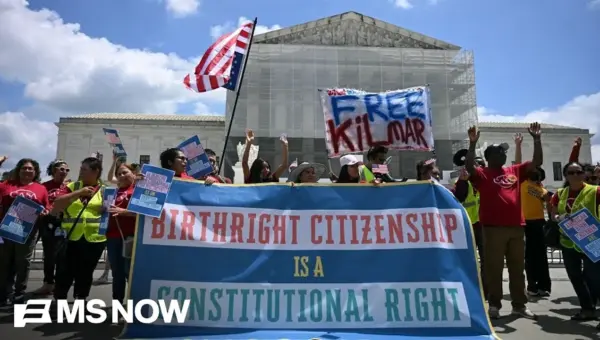
Supreme Court Weighs Birthright Citizenship, America’s Identity
The Supreme Court is examining a case that could restrict birthright citizenship for children of undocumented or temporary immigrants. This legal challenge is seen as a larger debate about America's identity and the meaning of the 14th Amendment. A ruling against birthright citizenship could impact hundreds of thousands of children annually and create widespread legal chaos.


Trump’s Birthright Citizenship Plan Risks Undoing Progress
Kermit Roosevelt III, a constitutional law professor, argues that Donald Trump's challenge to birthright citizenship echoes post-Civil War efforts to undermine civil rights. The debate centers on the 14th Amendment's "subject to the jurisdiction" clause, with Roosevelt asserting the administration's interpretation is historically inaccurate and legally unsound. He believes the Supreme Court will likely reject the argument, but warns of broader implications for national identity and civil rights.

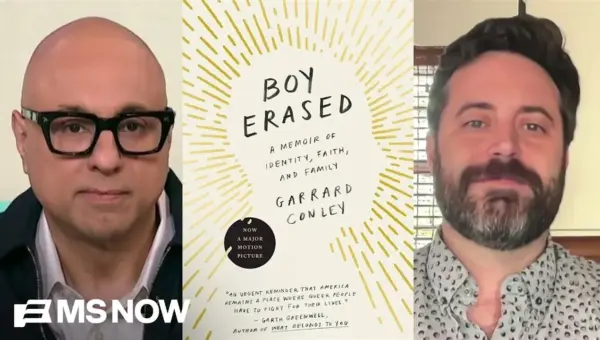
SCOTUS Ruling Fuels Debate on Conversion Therapy Bans
The Supreme Court has overturned Colorado's ban on conversion therapy for minors, sparking widespread concern. Author Garrard Conley, who experienced the practice, warns it "thrives on the slow disintegration of the soul." Statistics show conversion therapy continues to harm LGBTQ+ youth, with a significant percentage reporting suicide attempts.