Supreme Court Weighs Birthright Citizenship: A 14th Amendment Showdown
The Supreme Court is hearing arguments on an executive order that seeks to end birthright citizenship, challenging the 14th Amendment. California's Attorney General Rob Bonta is leading a coalition of states arguing the Constitution's language is clear: all persons born in the U.S. are citizens. Experts are hopeful the court will uphold this long-standing principle against historical, and potentially discriminatory, interpretations.

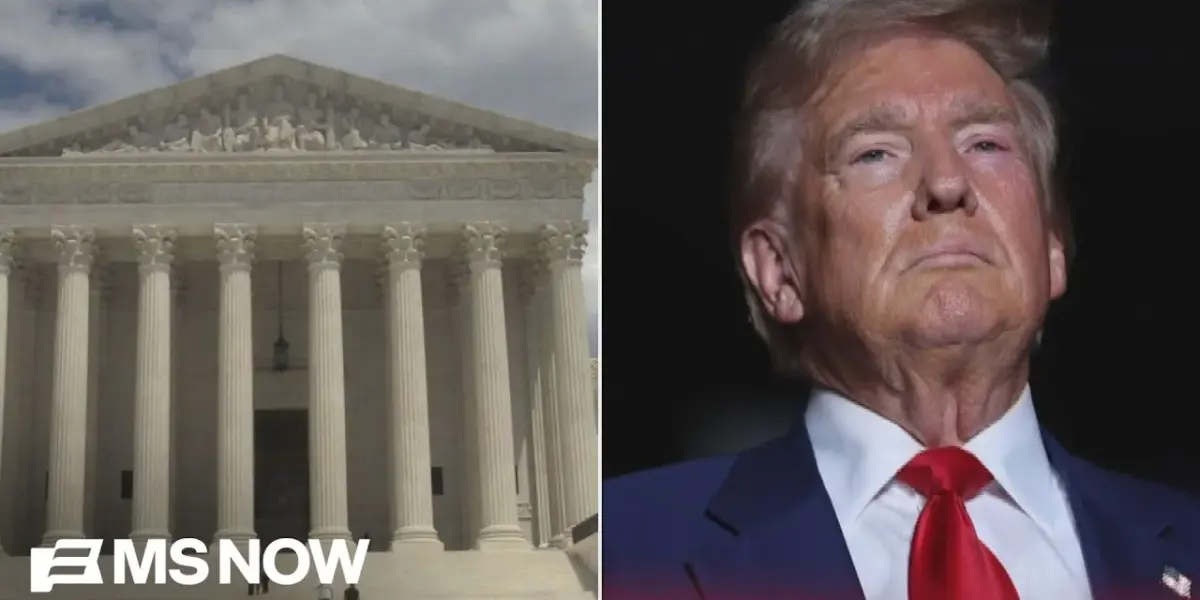
Supreme Court Hears Challenge to Birthright Citizenship Executive Order
The U.S. Supreme Court is set to hear arguments on a significant executive order that aims to end birthright citizenship, a key part of President Trump’s immigration agenda. This case marks the first time the justices will examine the legal basis of one of the president’s signature immigration policies. California Attorney General Rob Bonta is leading a coalition of over 20 states challenging the order, which seeks to abolish a central tenet of the 14th Amendment.
The 14th Amendment: A Clear Statement on Citizenship
The 14th Amendment to the U.S. Constitution states, “All persons born or naturalized in the United States, and subject to the jurisdiction thereof, are citizens of the United States and of the State wherein they reside.” This language clearly defines birthright citizenship. Legal experts, including Attorney General Bonta and senior legal reporter Lisa Rubin, emphasize the amendment’s straightforward meaning. They point out that the Supreme Court itself upheld this principle in the 1898 Wong Kim Ark case, rejecting similar arguments. Despite this precedent, the Trump administration is attempting to overturn this long-standing interpretation.
Arguments Against Birthright Citizenship: A Historical Echo
The arguments presented by the Trump administration reportedly rely on fringe theories that have not been accepted by courts in the past. These theories question the meaning of “subject to the jurisdiction thereof,” suggesting it implies a pledge of fidelity to the U.S. government. This interpretation, if adopted, could exclude children of undocumented immigrants, foreign diplomats, or even wartime conquerors from citizenship. Legal analysts note that these arguments echo those used in the 19th century to exclude Chinese immigrants. They appear to be part of an effort to redefine who is considered an American.
Legal Experts Express Confidence in Upholding the 14th Amendment
Despite the administration’s arguments, legal experts express strong confidence that the Supreme Court will uphold birthright citizenship. Attorney General Bonta stated, “This is about whether the Constitution means what it says. And it says exactly as you set forth, that if you are a person born in the United States, you’re an American citizen, period, full stop.” He believes the case should be a straightforward application of the Constitution, the Immigration and Nationality Act, and existing precedent. The coalition of state attorneys general is hopeful for a strong, potentially unanimous, ruling in favor of birthright citizenship.
“The clear language of the 14th Amendment states what birthright citizenship is, all persons born or naturalized in the United States are citizens of the United States.”
Rob Bonta, Attorney General of California
Potential Implications and Concerns
Lisa Rubin raised concerns about the practical implications of the executive order, even from an equal protection standpoint. She noted that the order could deny citizenship to children whose mothers are present in the U.S., even lawfully but temporarily, such as on a student visa. This raises questions about fairness and equal treatment. The attempt to alter the Constitution through an executive order, rather than the formal amendment process, is also a point of contention. The amendment process requires broad consensus, involving two-thirds of both houses of Congress and ratification by three-fourths of the states.
Looking Ahead: What the Supreme Court Will Decide
The Supreme Court’s decision in this case will have significant implications for immigration policy and the definition of American citizenship. The arguments presented will reveal whether the court is willing to entertain interpretations of the 14th Amendment that depart from established precedent. Legal observers will be watching closely to see if any justices side with the administration’s attempt to redefine citizenship based on historical arguments that have been previously rejected. The outcome could set a new precedent for how constitutional amendments are interpreted and applied.
Source: Joe: How could a SCOTUS justice side with a president who wants to overturn the 14th Amendment? (YouTube)

Related Articles

Supreme Court Weighs Birthright Citizenship for Immigrants
The U.S. Supreme Court is reviewing a case that could alter birthright citizenship for children of undocumented immigrants. The central argument questions whether the 14th Amendment's citizenship clause applies to those whose parents are in the country illegally. This decision could have significant long-term implications for immigration policy and the nation's demographic future.


Millions Protest Trump Amidst War and Corruption Probe
Millions protested nationwide against President Trump over the weekend, with significant turnout in red states. Concerns are rising over potential corruption in detention facility contracts and the administration's challenge to birthright citizenship at the Supreme Court.

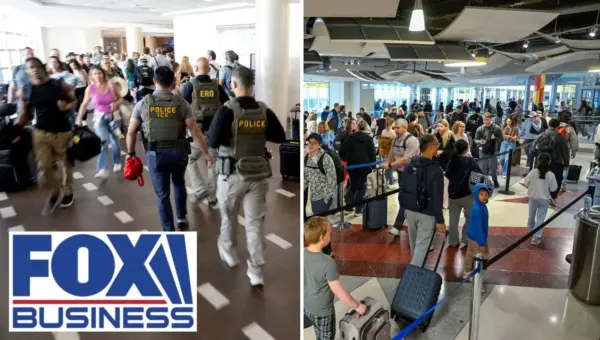
GOP Slams ‘Absurd’ Dem DHS Shutdown Strategy
Republican Congressman Rich McCormick criticizes Democrats for a "wrong battle" DHS shutdown strategy, causing airport chaos and worker pay issues. The House passed a stopgap bill, but Senate Democrats may block it, leading to legislative gridlock. The ongoing funding fight creates economic uncertainty.