Supreme Court Strikes Down Trump’s Emergency Tariffs, Leaving Billions in Collected Revenue in Limbo
The Supreme Court ruled 6-3 that President Trump improperly used emergency powers to impose tariffs, declaring it an overreach of executive authority. The decision leaves billions in collected tariff revenue in legal limbo while Trump announces a new 10% global tariff under different legal authority that faces its own constitutional challenges.

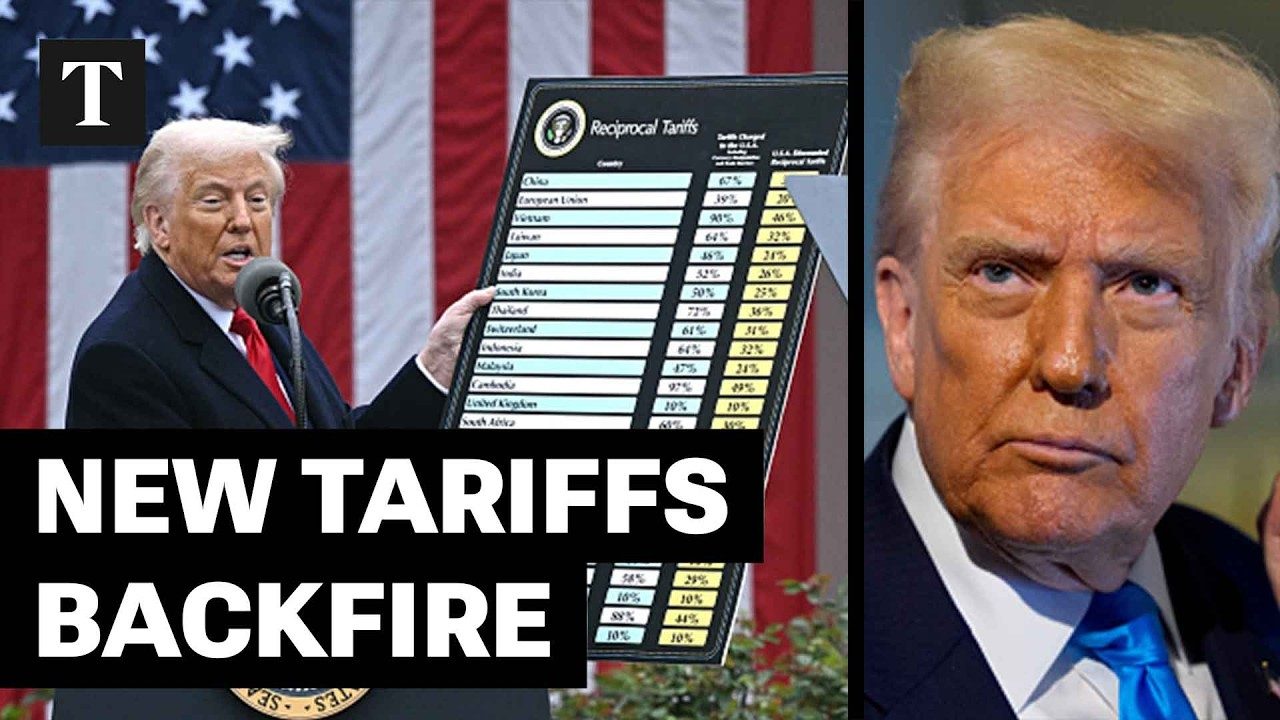
In a significant legal setback for the Trump administration, the Supreme Court has ruled that President Trump improperly used emergency powers to impose tariffs on foreign countries, declaring the action an overreach of executive authority. The 6-3 decision has immediate implications for international trade and raises complex questions about billions of dollars already collected from importers.
Supreme Court Ruling Overturns Emergency Powers Authority
The nation’s highest court determined that Trump’s use of an emergency powers act to levy tariffs was unconstitutional, stating that only Congress has the authority to impose such trade restrictions on foreign nations. This ruling strikes at the heart of one of Trump’s signature policy initiatives and represents a rare judicial check on presidential power.
Following the decision, Trump expressed his anger and disappointment but quickly pivoted to announce a new approach. “If the Supreme Court closes a door, I’m opening a window,” Trump stated, unveiling a new 10% global tariff implemented through a different executive order using alternative legal authority.
New 10% Global Tariff Faces Legal Uncertainty
The replacement tariff system, while appearing as a continuation of Trump’s trade policy, actually represents a significant reduction for many countries. Legal scholars have already questioned the durability of this new approach, suggesting it may also face constitutional challenges.
The new 10% global tariff can only remain in effect for 150 days unless Congress provides backing—a prospect that appears uncertain given the current political landscape. With razor-thin margins in Congress and competing legislative priorities, securing congressional approval for the tariff extension may prove challenging.
Interestingly, for many nations that previously faced much higher tariffs under Trump’s original system, the new 10% rate actually represents a tariff reduction, providing unexpected relief for international trade partners.
Billions in Collected Revenue Left in Legal Limbo
Perhaps the most complex consequence of the ruling involves the several hundred billion dollars already collected from importers under the now-invalidated tariff system. The Supreme Court’s decision did not address what should happen to this substantial sum, leaving businesses and legal experts grappling with uncertainty.
The Illinois governor moved quickly to demand action, sending President Trump an aggressive letter demanding $1,700 per household—totaling $8.7 billion—that he estimates Illinois residents paid due to the tariffs. This aggressive stance signals the beginning of what could become a widespread effort by states and businesses to recover tariff payments.
Business Relief Tempered by Recovery Challenges
U.S. businesses have expressed relief at the court’s decision, with importers of products like European wines reporting significant benefits from the ruling. However, the path to recovering previously paid tariffs appears fraught with legal complexity.
Steve Becker, head of law firm Pillsbury, has suggested that the best outcome for businesses would be a government-created procedure that doesn’t require individual lawsuits. However, legal experts remain skeptical about whether the government has any incentive to facilitate such recoveries, noting that lawsuits are the normal enforcement mechanism for executive actions.
The recovery process threatens to create a “mountain of paperwork” for affected businesses and could result in years of litigation, as Trump himself predicted the matter would be “tied up in the courts forever.”
Independent Judiciary Demonstrates Constitutional Authority
The 6-3 Supreme Court decision has drawn particular attention because it included justices nominated by Trump himself. This outcome has sparked discussion about judicial independence, with legal observers noting that the decision demonstrates the court’s commitment to constitutional principles over political loyalty.
Notably, Justice Brett Kavanaugh, a Trump appointee, provided what some interpreted as a “how-to guide” for implementing tariffs through alternative legal means in his dissenting opinion, potentially offering the administration a roadmap for future trade policy.
Political and Economic Implications
The ruling represents a rare but significant check on presidential power, particularly for an administration that has pushed the boundaries of executive authority. Critics have seized on the decision as evidence of what they call “TACO” (Trump Always Chickens Out), suggesting a pattern of backing down from hardline positions when faced with legal challenges.
However, the long-term political impact remains unclear. While Trump’s trade policies were central to his campaign platform, tariff policy is complex and may not resonate as strongly with voters as other issues. The upcoming midterm elections in November will likely serve as a key indicator of whether this legal setback translates into political consequences.
Consumer Impact and Market Response
For American consumers, the immediate effect should be lower prices on imported goods, providing tangible relief in their “pocketbooks.” This economic benefit may prove more significant to voters than the political implications of the court ruling.
The decision also highlights the complexity of Trump’s original tariff calculations, which economists criticized as unusually based on trade deficits rather than more conventional economic factors. This approach sometimes resulted in disproportionately high tariffs on smaller or lower-income countries that conduct limited trade with the United States.
As the legal and political ramifications continue to unfold, the Supreme Court’s decision marks a pivotal moment in the ongoing debate over presidential power, international trade policy, and the role of the judiciary in checking executive authority.
Source: Trump’s Ten Per Cent Tariffs Might Not Hold | Anita Powell (YouTube)

Related Articles

Supreme Court Reins In Presidential Tariff Power
The U.S. Supreme Court has ruled that the President cannot use emergency powers to impose tariffs, potentially requiring billions in collected revenue to be repaid to corporations. This decision limits executive authority in trade policy.

Supreme Court Strikes Down Trump Tariffs: What’s Next?
The U.S. Supreme Court has struck down a significant portion of Trump-era tariffs, ruling they were unlawfully imposed under the International Economic Powers Act. The decision reaffirms Congress's exclusive power over taxation and highlights concerns about executive overreach. The ruling follows a period of economic uncertainty and a record-high trade deficit, despite protectionist measures.

Supreme Court Strikes Down Trump Tariffs, New Levies Emerge
The U.S. Supreme Court has ruled former President Trump's AIPA tariffs illegal, but new temporary levies have been swiftly imposed. The decision impacts $175 billion in collected revenue and reshapes the future of U.S. trade policy, leaving investors to navigate a complex and evolving landscape.