Supreme Court Strikes Down Colorado’s Conversion Therapy Ban
The Supreme Court ruled 8-1 that Colorado's ban on conversion therapy for minors violates the First Amendment's free speech protections. The decision focused on the law's regulation of specific viewpoints, rather than solely on harmful conduct. This ruling may impact similar laws in approximately 25 other states.

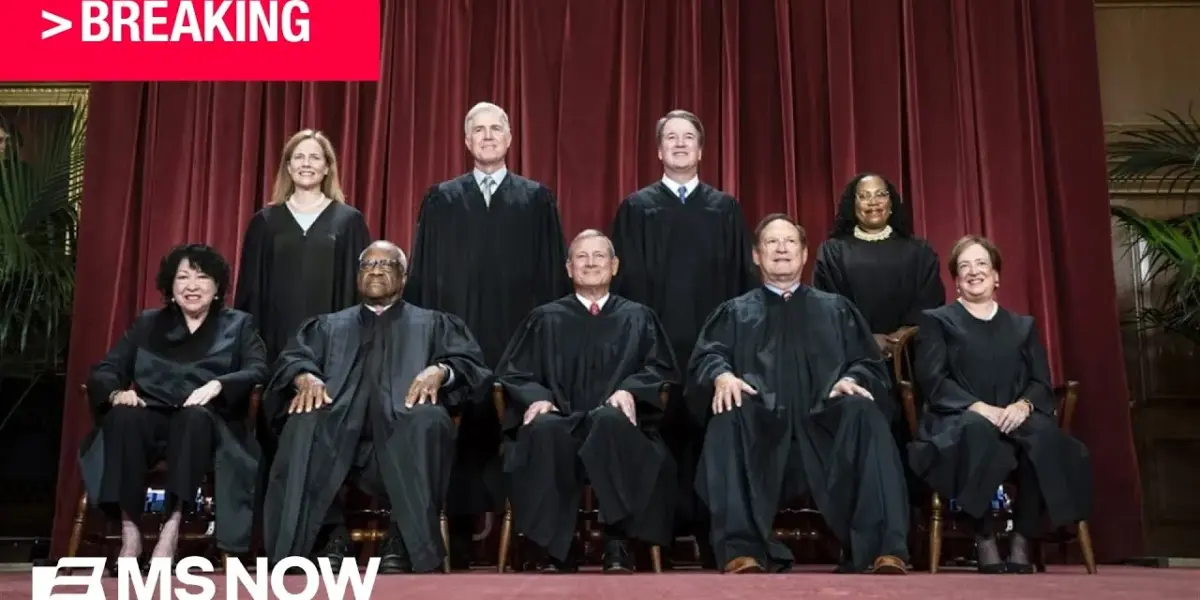
Supreme Court Rules Colorado Ban on Conversion Therapy Unconstitutional
The Supreme Court has struck down Colorado’s ban on conversion therapy for minors, ruling 8-1 that the law violates the First Amendment’s protection of free speech. The decision, released Tuesday, centers on whether the state law improperly targeted specific viewpoints, rather than just harmful conduct.
Focus on Free Speech, Not Conduct
Writing for the majority, Justice Neil Gorsuch stated that Colorado’s law, which bans licensed professionals from practicing conversion therapy on LGBTQ+ youth, regulates speech. Because the law targets specific viewpoints—allowing therapists to affirm gender transitions but prohibiting efforts to change a minor’s sexual orientation or gender identity—it is subject to strict scrutiny under the First Amendment. The lower courts, which had upheld the ban, did not apply this high level of scrutiny, leading the Supreme Court to reverse their decision.
The state of Colorado had argued that conversion therapy was a form of conduct, not protected speech. However, the Court found that in this case, the therapy in question was primarily talk therapy, which is inherently speech. The majority opinion emphasized that while states can ban harmful conduct, they cannot regulate speech in a way that favors one viewpoint over another.
“The justices here are finding that Colorado’s law regulates free speech. This is talk therapy, specifically talk therapy. And they’re saying that because it regulates free speech, it’s subject to the strict scrutiny of First Amendment free speech protections.”
— Fallon Gallagher, MSNC legal affairs reporter
Dissent and Concurrence Highlight Viewpoint Discrimination
Justice Ketanji Brown Jackson was the sole dissenter, focusing her opinion on the harmful effects of conversion therapy. However, Justice Elena Kagan, in a concurring opinion, further elaborated on the viewpoint discrimination issue. Kagan argued that the Colorado law unconstitutionally favored one viewpoint—affirming transgender identities—while disfavoring another—seeking to revert to one’s sex assigned at birth.
Kagan suggested that a law prohibiting certain treatments below professional standards of care, without targeting specific viewpoints, might pass constitutional muster. This suggests a potential path for states seeking to regulate conversion therapy without running afoul of the Supreme Court’s ruling.
Broader Implications for Other States
Colorado’s ban, enacted in 2019, is one of many similar laws across the United States. Approximately 25 states have laws restricting or banning conversion therapy for minors. The Supreme Court’s decision in Childs v. Salazar could impact these other state laws if they are similarly structured to regulate speech based on viewpoint.
Legal experts note that the ruling does not necessarily ban all forms of conversion therapy. Laws that target medical interventions or practices that fall below accepted professional standards of care, without discriminating based on viewpoint, may still be permissible. The key distinction lies in whether a law regulates harmful conduct or restricts specific viewpoints expressed through speech.
The Harm of Conversion Therapy
While the Supreme Court’s decision focused on free speech principles, the transcript highlighted the documented harms associated with conversion therapy. According to a 2020 study in the American Journal of Public Health, LGBTQ+ youth who underwent conversion therapy were more than twice as likely to attempt suicide compared to those who did not. A 2021 study from the American Psychological Association also linked conversion therapy to higher rates of depression, anxiety, and substance abuse.
Justice Jackson’s dissent specifically addressed these harms. The majority opinion, however, did not directly engage with the evidence of harm, instead prioritizing the interpretation of the Colorado law as a regulation of speech.
What’s Next?
Following this decision, states with similar conversion therapy bans may need to revise their laws. The focus will likely shift to crafting legislation that prohibits specific harmful practices without engaging in viewpoint discrimination. This could involve defining conversion therapy as falling below professional standards of care, thereby targeting conduct rather than speech. The Supreme Court’s ruling sets a new standard for how such laws must be written to comply with the First Amendment.
Source: BREAKING: Supreme Court releases decision in conversion therapy free speech case (YouTube)

Related Articles

Supreme Court Weighs Birthright Citizenship: A 14th Amendment Showdown
The Supreme Court is hearing arguments on an executive order that seeks to end birthright citizenship, challenging the 14th Amendment. California's Attorney General Rob Bonta is leading a coalition of states arguing the Constitution's language is clear: all persons born in the U.S. are citizens. Experts are hopeful the court will uphold this long-standing principle against historical, and potentially discriminatory, interpretations.

Supreme Court Weighs Birthright Citizenship for Immigrants
The U.S. Supreme Court is reviewing a case that could alter birthright citizenship for children of undocumented immigrants. The central argument questions whether the 14th Amendment's citizenship clause applies to those whose parents are in the country illegally. This decision could have significant long-term implications for immigration policy and the nation's demographic future.

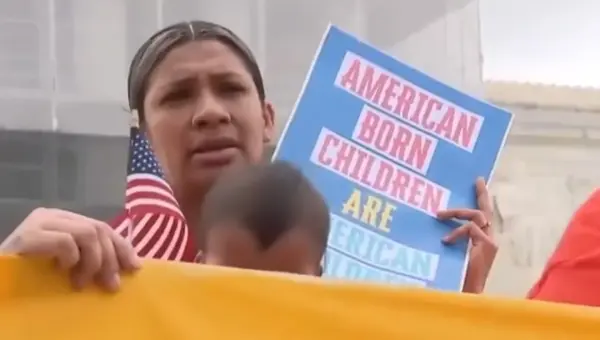
Birthright Citizenship: A System Under Strain?
Birthright citizenship, a long-standing U.S. policy, is under intense debate. Critics argue it's being exploited by foreign nationals, while supporters defend its legal foundation and historical intent. The discussion raises critical questions about immigration, national security, and national identity.