Supreme Court Skeptical of Trump’s Birthright Citizenship Order
The Supreme Court showed skepticism towards President Trump's executive order limiting birthright citizenship. Justices raised concerns about practical enforcement and ethical dilemmas, particularly regarding abandoned infants. The case highlights ongoing debates about immigration policy and constitutional interpretation.

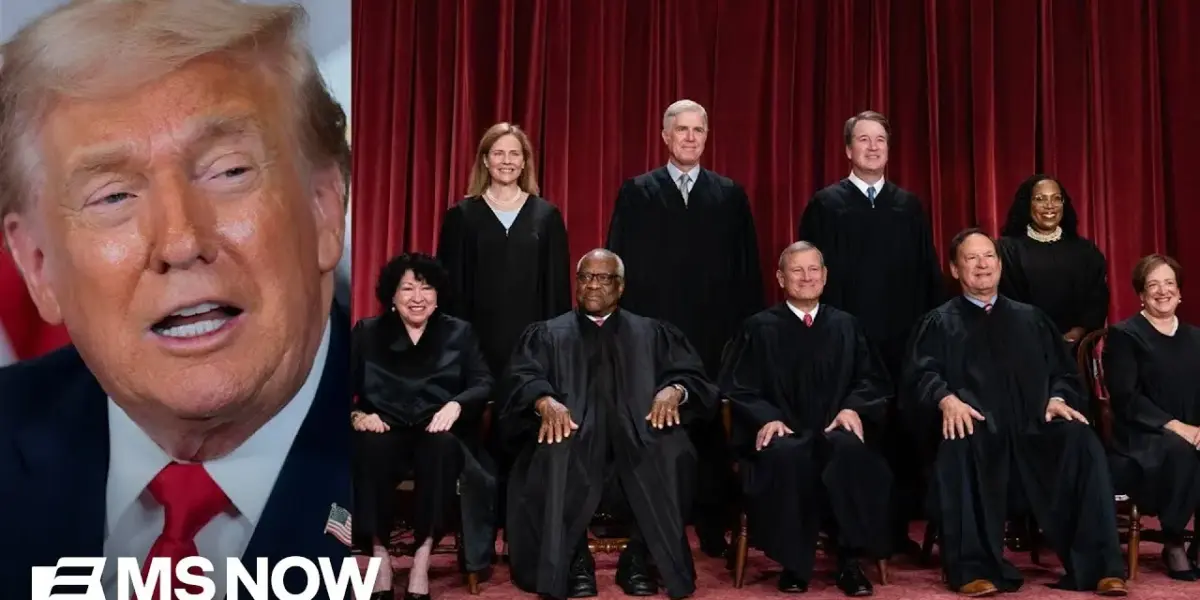
Court Questions Trump’s Bid to Limit Birthright Citizenship
The Supreme Court appears unconvinced by the Trump administration’s attempt to limit birthright citizenship. The case centers on an executive order issued on President Trump’s first day in office, which aimed to deny citizenship to children born in the U.S. to undocumented parents. However, legal experts suggest this effort is part of a broader conservative legal strategy to redefine who is considered a citizen in the United States. This move could have far-reaching consequences, potentially impacting asylum policies and even the citizenship status of naturalized individuals.
Justices Raise Practical and Ethical Concerns
During oral arguments, several justices voiced strong doubts about the practical enforcement of the administration’s policy. Justice Ketanji Brown-Jackson questioned how the government would determine citizenship at birth, asking if parents would need to present documents in the delivery room. The Solicitor General suggested that existing systems for issuing Social Security numbers based on birth certificates could still function. However, Justice Amy Coney Barrett pressed further, asking how the government would investigate a parent’s intent to stay in the United States. This line of questioning highlighted concerns about the government potentially requiring depositions from pregnant women or forcing new mothers to prove citizenship papers.
The ‘Abandoned Baby’ Dilemma
A significant concern raised was the fate of children born to parents who cannot or will not claim them. If such a child is not recognized as a U.S. citizen, questions arose about where that child would be deported. This scenario could lead to a population of individuals without a country, creating a new underclass. The potential for anonymous abandonments at hospitals, fire stations, or churches, and the subsequent lack of citizenship for these infants, presented a stark ethical and logistical challenge.
Criticism of Judicial Interpretation
Some observers noted a perceived contradiction between the administration’s stated commitment to textualism—interpreting the Constitution strictly as written—and the arguments presented in this case. Critics argue that the justices appointed by Republicans, who often champion textualism, seemed to be twisting constitutional language to support the executive order. This has led to accusations that these justices are acting as liberal legislators, basing their decisions on a president’s decree rather than the Constitution’s plain meaning.
President Trump’s Presence and Its Impact
President Trump himself attended the oral arguments, a rare move for a sitting president. His presence, along with his public criticism of judges he appointed, has raised questions about judicial impartiality. While some see his attendance as a political statement to energize his base, others argue it is a legally unsound strategy. Legal professionals suggest that directly criticizing judges before a court is unlikely to sway their decisions and could even be counterproductive. The president’s departure before the arguments for the opposing side concluded also drew attention, suggesting a potential disinterest in hearing the full legal debate.
Broader Implications for Immigration Policy
This case underscores Congress’s long-standing struggle to pass comprehensive immigration reform. The failure of lawmakers to address these complex issues has, in turn, led administrations to use executive orders to shape immigration policy. The Supreme Court’s decision in this case will have significant implications for how birthright citizenship is understood and applied in the United States, potentially setting new precedents for immigration law.
Fact-Checking the ‘Stupid’ Claim
President Trump’s assertion on Truth Social that the U.S. is the only country with birthright citizenship was factually challenged. It was pointed out that approximately 30 countries, primarily in the Western Hemisphere, have similar provisions. While this doesn’t resolve the legal interpretation of the 14th Amendment, it corrects the factual premise of the president’s statement.
What’s Next?
The Supreme Court’s skepticism during oral arguments suggests the administration’s executive order may not survive. The focus now shifts to the justices’ final decision, which will clarify the future of birthright citizenship and potentially influence the broader immigration debate in the United States.
Source: Analysis: Court appears skeptical of Trump's effort to limit birthright citizenship (YouTube)

Related Articles


Trump Fires Attorney General Pam Bondi in Cabinet Shakeup
President Trump has fired Attorney General Pam Bondi, citing mounting frustration over her handling of key cases, including the Jeffrey Epstein files. Deputy Attorney General Todd Blanche will step in as acting Attorney General. Bondi's dismissal follows criticism regarding investigations into political opponents and public statements.

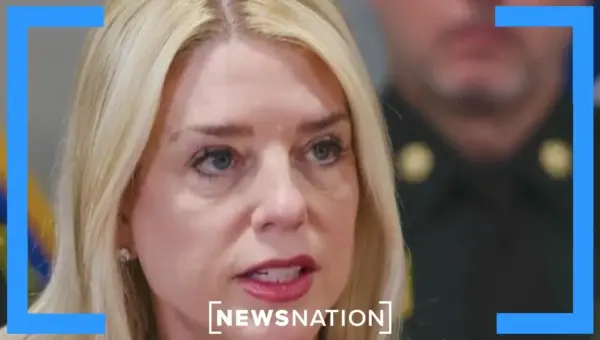
Trump Replaces Bondi, Shifting AG Role to Legal Focus
Pam Bondi has been replaced as Attorney General, with Geraldo Rivera suggesting her tenure became too political. President Trump has appointed Todd Blanche, seen as a more legally focused choice, signaling a shift in the office's priorities. This move aims to separate legal duties from political maneuvering.
Judges Block Trump’s Orders, Undermining His Authority
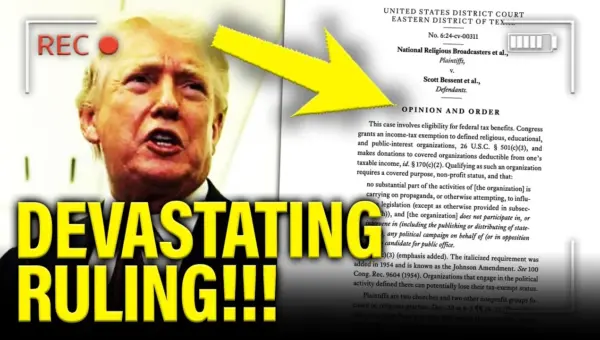
Federal judges have blocked several key Trump administration initiatives, including efforts to defund public media and end birthright citizenship. These rulings, some from Trump appointees, highlight the judiciary's role as a check on executive power and question the administration's legal strategies.