Supreme Court Shields ISPs from Piracy Liability
The Supreme Court ruled that Cox Communications is not liable for copyright infringement by its customers. This decision shifts the burden of combating piracy onto individual users, potentially impacting how content creators pursue legal action.

Supreme Court Shields ISPs from Piracy Liability
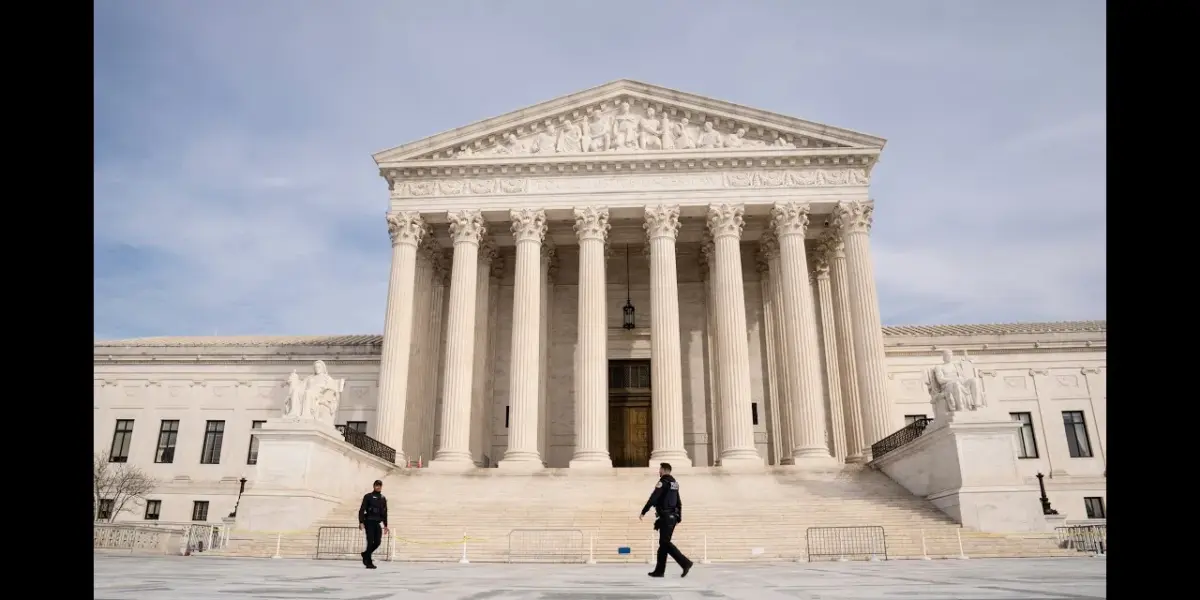
The Supreme Court recently made a big decision that affects how internet providers handle illegal downloads. In a unanimous ruling, the court said Cox Communications is not responsible for copyright infringement done by its customers. This means internet service providers (ISPs) like Cox are off the hook for illegal music sharing by people using their networks.
What the Case Was About
The case started when several major record labels, including Sony Music Entertainment, sued Cox Communications. They claimed Cox wasn’t doing enough to stop its customers from downloading music without paying for it. This is known as copyright infringement or piracy. The lawsuit, which began in 2018, involved over 50 music labels. They believed Cox should have taken stronger action against users who were illegally sharing songs.
Cox Communications is a major internet provider, serving millions of homes and businesses across many states. The company had argued that if they were forced to police every single customer’s online activity, it could lead to serious problems. They warned that they might have to cut off internet access for many users, even important places like hospitals and universities, based on just a few accusations of illegal downloading.
The Supreme Court’s Decision
The Supreme Court disagreed with the lower courts and the record labels. They decided that Cox Communications cannot be held liable for the actions of its customers. This decision overturns an earlier jury verdict that had found Cox responsible. The Justice Department supported Cox, arguing that holding ISPs liable for customer actions would be a huge burden.
Think of it like this: If someone uses your home internet to illegally download music, the court is saying it’s not your fault, and the internet company shouldn’t be punished for it. The focus is on the individual user who committed the infringement, not the company that provides the connection.
Why This Matters
This ruling has significant implications for both internet providers and content creators. For ISPs, it provides a layer of protection. They don’t have to actively monitor or police every bit of data flowing through their networks to avoid legal trouble. This could save them a lot of money and resources. It also means they are less likely to face lawsuits from copyright holders.
For the music and movie industries, this decision might make it harder to combat online piracy. They may need to find new ways to track down and hold individual infringers accountable. The focus shifts from the platform to the user. This could mean more direct legal action against individuals caught downloading copyrighted material illegally.
Historical Context and Background
The fight over online copyright infringement is not new. Ever since the internet became widespread, artists and companies have struggled to protect their work from being copied and shared freely. Early on, services like Napster allowed people to share music files easily, leading to major legal battles and the eventual shutdown of such platforms.
Internet providers have often been caught in the middle. Copyright holders have pushed for ISPs to act as online police, monitoring user activity and cutting off access for repeat offenders. ISPs, however, have argued that this is an invasion of privacy and technically very difficult to do fairly and effectively. Laws like the Digital Millennium Copyright Act (DMCA) in the United States have tried to create a balance, but cases like this one show that the legal lines are still being drawn.
Implications, Trends, and Future Outlook
This Supreme Court decision reinforces a trend where the responsibility for copyright infringement is placed squarely on the individual user, not the internet infrastructure provider. We might see more lawsuits targeting individual downloaders or streamers who share copyrighted content.
Content creators will likely need to adapt their strategies for protecting their intellectual property. This could involve using more advanced digital rights management (DRM) technologies or focusing on education and awareness campaigns about the legal and ethical issues of piracy. The ease of digital sharing means the battle against infringement will continue, but the legal framework is evolving.
For consumers, this decision means their internet service is less likely to be disrupted due to accusations of piracy against them. However, it’s still important to respect copyright laws and avoid downloading or sharing copyrighted material without permission. The core message remains: individuals are responsible for their own online actions.
Source: Supreme Court Says Cox Communications Not Liable in Music Piracy Suit (YouTube)

Related Articles


TV Shows Face Lawsuits Over Shocking Moments
From unfair dismissals on reality shows to defamation claims against crime dramas, television's most shocking moments can lead to major legal battles. This list dives into 20 TV scenes and episodes that resulted in significant lawsuits, exploring copyright issues, celebrity likeness rights, and the tragic consequences of sensationalized content.


Trump’s War Talk & Court Tirade Stun GOP
Donald Trump recently delivered a speech where he discussed military operations in Iran, calling them "operations" to avoid needing congressional approval. He also launched a strong attack on the Supreme Court, labeling justices, including his own appointees, as "criminals."


ICE Agents Deploy Amid DHS Shutdown Stalemate
As the U.S. faces a partial DHS shutdown, ICE agents are deployed to airports, sparking debate over immigration enforcement and political strategy. Meanwhile, the Supreme Court reviews a Mississippi law on mail-in ballots, with potential impacts on midterm elections.