Supreme Court Reins In Presidential Tariff Power
The U.S. Supreme Court ruled that the executive branch cannot unilaterally impose tariffs without congressional authorization. This decision reasserts legislative power over trade policy and has significant implications for future tariffs, consumer costs, and government revenue.

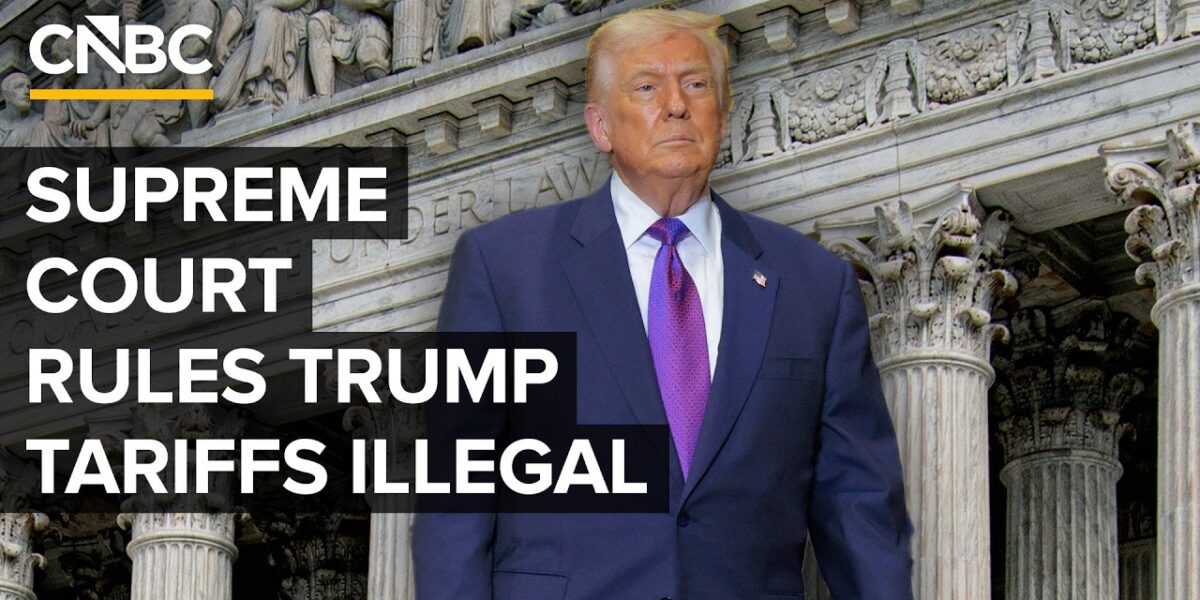
Supreme Court Rules Against Unilateral Presidential Tariffs
In a landmark decision that significantly curtails executive authority on trade policy, the U.S. Supreme Court has ruled that the previous administration overstepped its bounds by imposing unilateral tariffs without explicit congressional authorization. The ruling, which saw a 6-3 majority in favor of the plaintiffs, declared that the power to levy taxes, including tariffs, rests solely with the legislative branch. This decision directly challenges the statutory basis used by the prior White House to enact broad tariffs, including those targeting reciprocal trade and specific goods like fentanyl precursors.
Key Provisions of the Ruling
- The Court found that the administration failed to demonstrate a legitimate national emergency that would justify the imposition of tariffs under the invoked statute.
- Crucially, the ruling asserts that any future tariffs require passage of a specific trade law by Congress, thereby reinforcing the legislature’s constitutional role.
- The decision does not directly address the complex issue of returning billions of dollars in collected tariff revenue to importers, a process anticipated to be contentious and lengthy.
The Supreme Court’s verdict effectively states that the executive branch cannot unilaterally impose tariffs by citing broad statutory powers or alleged national emergencies. Instead, any such trade-restrictive measures must be legislatively approved. This reassertion of congressional power marks a significant shift in the balance of trade policy-making in the United States.
Economic Ramifications and Market Impact
The implications of this ruling extend beyond the immediate legal challenge, potentially reshaping the economic landscape and influencing market sentiment. Historically, the imposition of tariffs has been a source of market volatility. The recent decision, by clarifying the legal framework for tariff imposition, may serve to reduce a layer of uncertainty that has plagued markets. Stock market gyrations observed over the past year, often linked to trade policy announcements, could see a moderating effect.
However, the ruling does not signal an end to tariffs altogether. The previous administration had indicated intentions to re-impose tariffs under different authorities, and the potential for future legislative action remains. The court’s decision means that if tariffs are to be levied, the administration must now engage with Congress, providing economic justifications and securing legislative approval.
Consumer and Business Impact of Tariffs
The economic burden of tariffs has been a subject of considerable debate. While the White House’s contention was that exporters would absorb the costs, numerous studies and market observations suggest otherwise. Evidence indicates that U.S. consumers and businesses have largely borne the brunt of these tariffs, leading to increased prices for imported goods and raw materials. This has, in turn, impacted consumer spending and business operational costs.
The trade deficit, a key metric in international trade, remained substantial despite tariff measures. In the past year, the U.S. recorded a cumulative trade deficit approaching $1 trillion, only a marginal reduction from the previous year, underscoring the limited impact of tariffs on rebalancing trade flows in isolation.
The Path Forward: Congressional Authority and Fiscal Considerations
The Supreme Court’s decision mandates a new approach to trade policy, requiring the executive branch to seek congressional approval for any future tariff impositions. This process will necessitate detailed economic justifications and legislative debate. The administration will now have to formally present its case to Congress, potentially opening avenues for more transparent and collaborative trade policy-making.
Furthermore, the ruling has significant fiscal implications. Tariff revenue has been a component of deficit reduction strategies for the administration. The uncertainty surrounding the collection and potential repatriation of billions of dollars in previously collected tariffs, estimated to be in the tens of billions annually (with projections of $117 billion by fiscal year 2026), presents a complex fiscal challenge. The process of resolving these collected funds is expected to be protracted and legally intricate.
What Investors Should Know
The Supreme Court’s ruling clarifies the legal authority for imposing tariffs, shifting the power back to Congress. While this may reduce short-term policy uncertainty and market volatility associated with unilateral executive actions, the potential for future tariffs remains, albeit through a more deliberative legislative process. Investors should monitor congressional trade debates and any new legislative proposals. The fiscal implications of potential tariff revenue changes and the resolution of previously collected duties could also influence broader economic conditions and market sentiment. The long-term impact will depend on how effectively Congress and the executive branch navigate future trade policy, balancing economic interests with geopolitical considerations.
Source: Supreme Court Says Trump’s Tariffs Are Illegal. Here’s What Happens Next (YouTube)

Related Articles

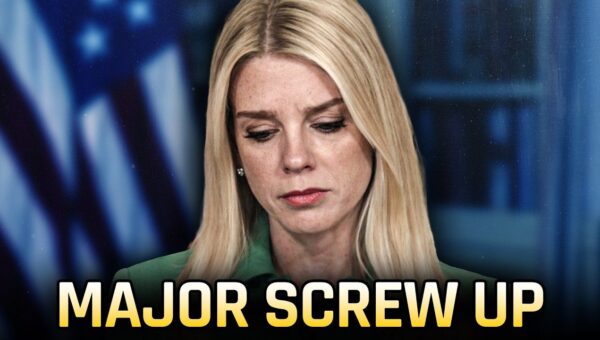
Bondi’s Court Blunder Could Cost US Billions
A court filing from Pam Bondi's Department of Justice may have committed the U.S. to refunding $170 billion in tariffs. This legal promise was made during challenges to Trump-era tariffs, with the DOJ assuring the court that collected funds would be repaid if the tariffs were overturned.
Trump’s Tariffs Linked to Stagnant Job Growth in First Year Back
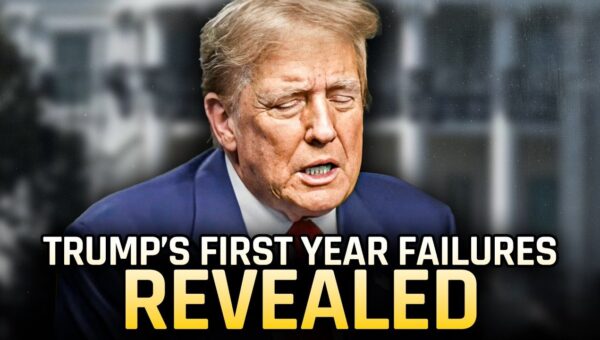
The U.S. economy saw minimal job growth in 2025, adding just 181,000 jobs, a figure attributed to business uncertainty fueled by Donald Trump's volatile tariff policies. While January 2026 showed gains, they were heavily concentrated in healthcare, masking broader economic weakness and significant layoffs.


US Launches Iran Operation Alone as Allies Distance Themselves
The United States has launched a major military operation in Iran, "Operation Epic Fury," without the backing of NATO allies, who have publicly distanced themselves. Critics argue this unilateral action highlights America's growing international isolation and economic instability, while ordinary citizens face increasing domestic hardship.