Supreme Court Halts Tariffs, Market Faces Uncertainty
The Supreme Court has halted controversial tariffs, but market uncertainty looms as investors await former President Donald Trump's reaction. The decision carries significant implications for inflation, economic growth, and international relations.

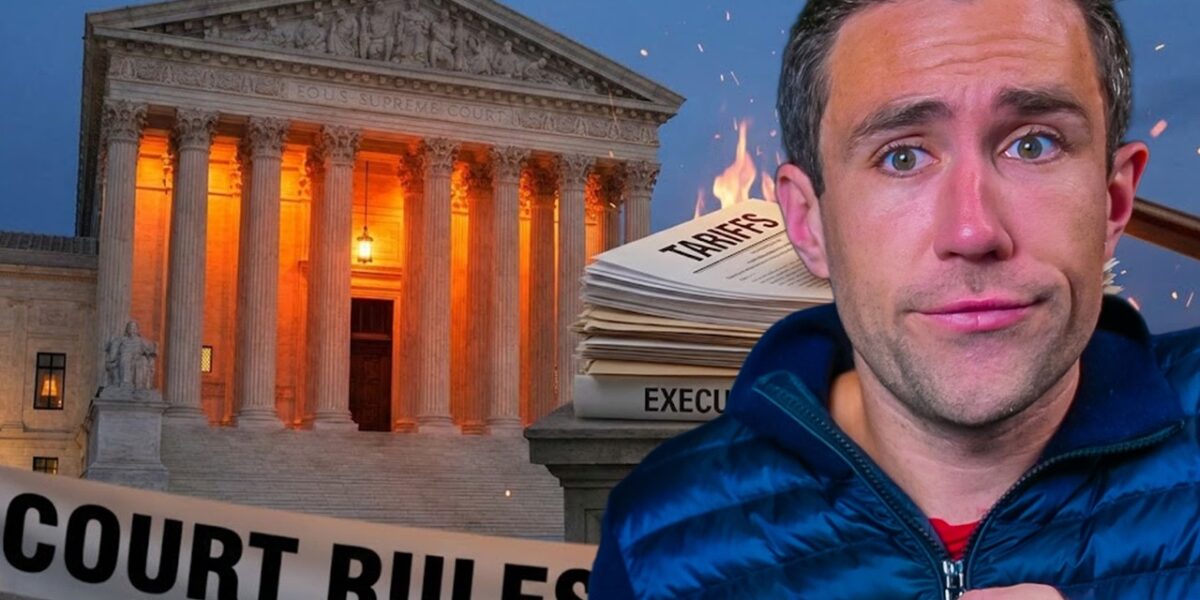
Supreme Court Decision on Tariffs Creates Market Ripples
In a significant ruling with immediate implications for the U.S. economy and international trade, the Supreme Court has effectively halted the imposition of certain tariffs, determining that the statute in question, the Antigua and Barbuda Investment Promotion Agreement (AIPA) statute, was intended for the regulation of imports, not for the imposition of tariffs. The court’s decision suggests that if Congress had intended to grant such broad tariff powers, it would have been explicitly stated. Consequently, the president’s interpretation and application of the law to levy these tariffs have been deemed beyond the scope of his authority.
The Economic Rationale Behind the Ruling
The core of the Supreme Court’s decision rests on the interpretation of legislative intent. The AIPA statute, as understood by the court, does not grant the executive branch the power to impose tariffs. This distinction is crucial, as it limits the president’s ability to unilaterally enact trade barriers under this particular legislative framework. The ruling effectively invalidates the tariffs enacted under the Emergency Economic Powers Act (EEPA), which were the subject of the legal challenge.
Tariffs: A Costly Burden on U.S. Consumers
The debate surrounding tariffs often centers on their economic impact. According to data cited from institutions like the Federal Reserve and major investment banks such as Goldman Sachs, UBS, and Deutsche Bank, an overwhelming majority, estimated between 85% to 95%, of the costs associated with tariffs are ultimately borne by consumers within the United States. This suggests that tariffs, rather than being a tool to protect domestic industries without consequence, often lead to higher prices for American households.
Geopolitical Ramifications and Allied Relations
Beyond direct consumer costs, the imposition of tariffs can strain international relationships. The decision to implement tariffs was viewed by some as a detrimental move towards key allies, including Canada, Mexico, European nations, Japan, and South Korea. These countries are often critical partners in geopolitical endeavors, particularly in addressing challenges posed by China and Russia. Alienating these allies through economic policies can undermine cooperative efforts on a broader international stage. The transcript highlights an anecdotal example of how such policies could discourage tourism from allied nations, impacting sectors like hospitality.
Concerns Over Cronyism and Regulatory Capture
A significant concern raised regarding the tariff process is the potential for cronyism and regulatory capture. The transcript suggests that the tariff system could create opportunities for well-connected corporations to seek exemptions. The example of Apple receiving tariff exemptions in 2018 after providing gifts, such as new computers, to the former administration is cited as an instance of ‘crony capitalism.’ This raises questions about fairness and whether success in the market is becoming dependent on political influence rather than innovation and competitive advantage. The mention of individuals with connections to the Department of Justice assisting clients with federal indictments further fuels concerns about the integrity of the system.
Inflationary Pressures and Federal Reserve Policy
Tariffs are also identified as a source of inflationary pressure. Even if these pressures are considered ‘transitory’—meaning temporary—they can still have a significant impact on economic policy. The transcript draws a parallel to the inflationary concerns of 2021, suggesting a potential lack of preparedness by the Federal Reserve. Persistent or recurring inflationary pressures can delay the Federal Reserve’s plans to cut interest rates. This is particularly problematic given the current state of the labor market, which is described as being on a precarious edge, potentially susceptible to significant layoffs.
Market Impact and Investor Scenarios
The Supreme Court’s decision introduces a new layer of uncertainty into the market, primarily revolving around the potential reactions of former President Donald Trump. The transcript outlines three potential scenarios:
- Scenario 1: Donald Trump Folds (25% Probability): In this scenario, Trump would publicly accept the Supreme Court’s ruling, deferring to Congress to reintroduce tariffs if desired. This would likely be viewed as a politically savvy move and would be considered a bullish signal for the market. Stocks, particularly in sectors like hardware and retail, might see positive movement, though some gains could be tempered by broader market uncertainties.
- Scenario 2: Tariffs Fade into Background (40% Probability): This scenario suggests that Trump might not actively push for the immediate reintroduction of tariffs, allowing them to gradually disappear from public discourse. This is termed ‘cautionarily bullish.’ While not as clear a positive signal as Scenario 1, it would avoid immediate negative repercussions and allow market focus to shift elsewhere, such as geopolitical events.
- Scenario 3: Reintroduction of Tariffs (30% Probability): This is considered the worst-case scenario. It involves Trump utilizing executive authority, potentially through Section 122 of existing legislation, to impose temporary tariffs of up to 15% on certain goods. This could also involve initiating lengthy application processes for other tariff types (Section 232 and 301) through the Commerce Department. Such actions would likely lead to a downturn in stock markets, an increase in bond yields, and could prompt the Federal Reserve to cancel planned interest rate cuts, exacerbating stagflationary fears.
Economic Data and Stagflation Fears
The ruling comes at a time when key economic indicators present a mixed and concerning picture. U.S. GDP growth for the morning’s release was significantly below expectations, coming in at 1.4% compared to the anticipated 2.8%. Simultaneously, Core PCE (Personal Consumption Expenditures) inflation, the Federal Reserve’s preferred inflation gauge, exceeded forecasts. This combination of slowing economic growth and rising inflation intensifies fears of stagflation—a detrimental economic condition characterized by stagnant growth and high inflation. In such an environment, gold prices often rise as investors seek safe-haven assets.
Supreme Court’s Political Leanings
The transcript also touches upon the perceived political leanings of the Supreme Court justices. It notes that Justices Kavanaugh, Thomas, and Alito, who ruled against the tariffs, have historically voted in alignment with policies favored by Republican administrations at a high rate (89-95%). Conversely, other justices are noted to vote along party lines more predictably. The author expresses surprise that these specific justices voted against the tariff policy, questioning the extent to which the court operates as a neutral arbiter versus a politicized body.
What Investors Should Know
The immediate aftermath of the Supreme Court’s decision hinges on Donald Trump’s reaction. Investors are advised to closely monitor his public statements, particularly on platforms like Truth Social, as these will be critical in determining which of the outlined scenarios is most likely to unfold. The potential for renewed tariff imposition, even if temporary or through different legislative avenues, represents a significant risk factor that could disrupt market stability, influence Federal Reserve policy, and exacerbate existing economic challenges like stagflation. The differing probabilities assigned to each scenario suggest that while a complete rollback of tariffs is possible, the risk of their reintroduction, in some form, remains a material concern for market participants.
Source: SUPREME COURT CANCELS TARIFFS | PREPARE NOW!!! (YouTube)

Related Articles

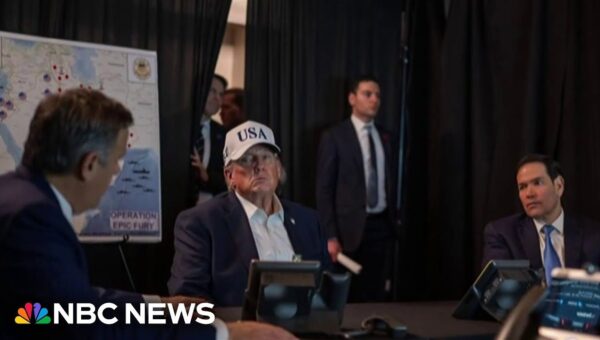
Trump: Iran Strikes Ahead of Schedule, Expects ‘Great Deal for World’
Three U.S. service members have been killed amid escalating conflict with Iran, President Trump confirmed. He stated that strikes are ahead of schedule, with senior Iranian leaders killed, and expressed optimism for a "great deal for the world" despite ongoing talks with Iranian officials.
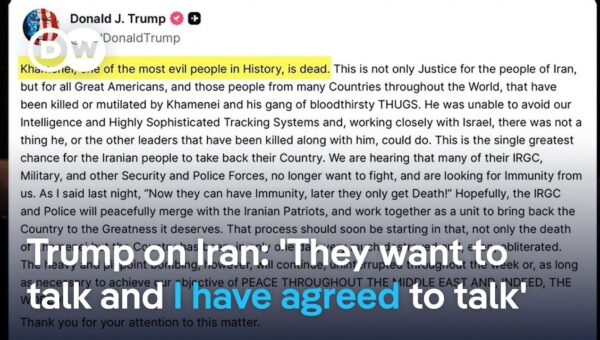
Trump Agrees to Talks with Iran After Major Strikes
President Donald Trump has agreed to talks with Iran's leadership following coordinated strikes that reportedly killed key figures, including the Supreme Leader. While Trump claims significant military successes, U.S. strategy remains unclear, and public opinion shows limited support for the actions amid rising American casualties.

Trump’s Putin Stance: US Strategy and Global Implications
Analysis suggests Donald Trump's approach to the Ukraine war involves pressuring Kyiv, but US involvement is crucial for resolution. China's influence and the 'MAGA' agenda's geopolitical implications are key factors.