Supreme Court Blocks Trump’s Emergency Tariff Powers, Sparks Constitutional Showdown
The Supreme Court delivered a decisive 6-3 ruling against President Trump's use of emergency economic powers to impose sweeping global tariffs. Trump responded by calling appointed justices 'fools' and 'unpatriotic' while announcing plans for alternative 10% across-the-board tariffs.

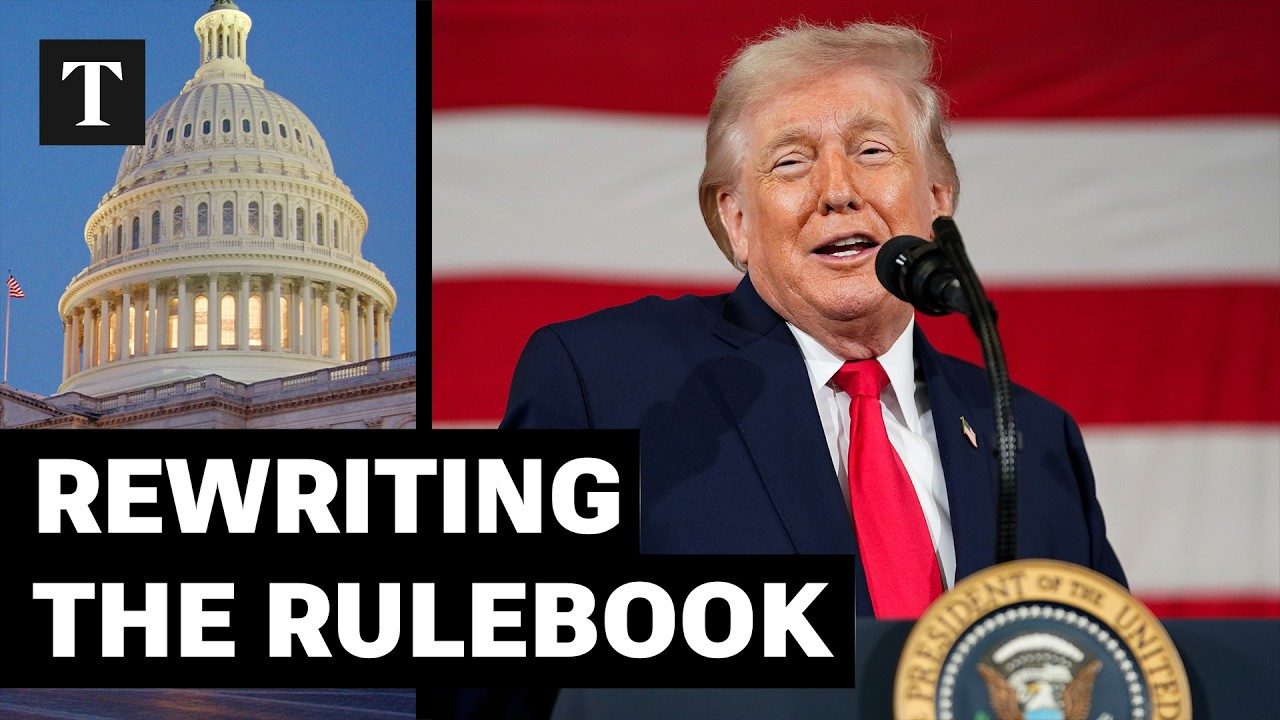
Supreme Court Delivers Crushing Blow to Trump’s Tariff Strategy
In a landmark decision that has reverberated across financial markets and political circles, the U.S. Supreme Court voted 6-3 to block President Donald Trump’s use of emergency economic powers to impose sweeping global tariffs. The ruling represents a significant constitutional check on executive power and has prompted an explosive response from the former president.
The case centered around Trump’s invocation of the International Emergency Economic Powers Act (IEEPA) to justify broad tariffs on imports. The Supreme Court’s decision marks the first time in the act’s half-century existence that such presidential authority has been definitively rejected at this scale.
Trump’s Explosive Response to Constitutional Setback
Trump’s reaction to the Supreme Court ruling was swift and characteristically combative. The former president expressed shame over the court’s decision and launched personal attacks against justices he had personally appointed to the bench. He called two of his appointees “fools” and “unpatriotic,” describing them as “an embarrassment to their families” for ruling against his claimed authority.
Despite the legal setback, Trump immediately announced alternative measures, stating that “other alternatives will now be used to replace those that the court incorrectly rejected.” He emphasized that these alternatives could potentially generate “more money” for the government, signaling his continued commitment to protectionist trade policies.
Expert Analysis: A Predictable but Significant Ruling
According to Betsey Stevenson, former member of President Obama’s Council of Economic Advisors and current professor at the University of Michigan, the Supreme Court’s decision was not entirely unexpected. “I wasn’t that surprised,” Stevenson explained, noting that financial markets had already largely priced in a 75-80% probability of this outcome.
Stevenson attributed the ruling to the conservative justices’ consistent application of the “major questions doctrine,” which requires that significant policy decisions have clear congressional authorization. “It would have been hypocritical to say you believe in that when it comes to Biden’s student loans or climate policy but now not in this emergency tariffs act,” she observed.
Trump’s New Tariff Strategy: The 150-Day Window
Undeterred by the Supreme Court ruling, Trump announced plans to implement a 10% across-the-board tariff using alternative statutory authority. This approach would allow him to impose sweeping tariffs for up to 150 days while Congress considers permanent legislation.
However, Stevenson expressed skepticism about the long-term viability of this strategy. “I don’t think he’s going to get Congress in those 150 days to vote on passing real legislation that would cement those tariffs in place,” she noted. This temporary measure would only extend until July, creating continued uncertainty in the trade landscape.
The economist characterized Trump’s approach as “kicking the can down the road” because he “doesn’t want to have to go through and do all the hard work of asking Congress to vote on something.” This assessment aligns with Trump’s own statement during a press conference where he declared, “I can do what I want.”
Economic Impact and Business Opposition
The tariff uncertainty has taken a measurable toll on the American economy, according to Stevenson’s analysis. Since Trump’s initial tariff announcement, economic indicators have shown concerning trends: GDP growth has slowed compared to the previous year, unemployment has increased, and inflation has persisted without significant improvement.
“The American public who are paying higher prices for things, they’re seeing fewer jobs are available,” Stevenson explained. “Businesses are paying more for all of their inputs and they’re struggling because as they pass higher prices on to consumers, which they have to do because they’re paying higher prices for their inputs, they’re seeing consumers struggling to continue to buy their things.”
Significantly, it was American businesses themselves who challenged Trump’s tariff authority in court, demonstrating the private sector’s concerns about the economic disruption caused by trade policy uncertainty.
Constitutional Implications and Executive Power Limits
Beyond the immediate economic implications, the Supreme Court ruling establishes important precedent regarding the limits of executive power. Stevenson emphasized the constitutional significance of the decision: “It is important for the president to know that his authority is not unlimited. He’s not the king of the United States.”
The 6-3 ruling suggests that even conservative justices appointed by Trump himself are willing to constrain presidential authority when it exceeds clear statutory boundaries. This represents a significant check on executive power that could influence future policy debates across multiple issue areas.
Market Response and Future Uncertainty
Despite the dramatic nature of the Supreme Court ruling and Trump’s response, financial markets showed relatively muted reactions. Stevenson attributed this stability to the fact that investors had already anticipated this outcome with high probability, meaning the actual ruling provided limited new information to market participants.
However, the announcement of alternative tariff measures introduces new uncertainty into the economic landscape. With Trump’s 150-day window approach, businesses and consumers face continued unpredictability in trade policy, potentially hampering investment decisions and economic planning.
Looking Ahead: The Road to July
As Trump moves forward with his alternative tariff strategy, the next 150 days will be crucial in determining the trajectory of U.S. trade policy. The temporary nature of his new authority means that without congressional action, the tariff question will resurface in July, potentially creating another period of economic uncertainty.
The Supreme Court’s decision represents more than just a trade policy setback for Trump; it establishes clear boundaries on presidential emergency powers and reinforces the principle of congressional oversight in significant economic policy decisions. As the former president continues to navigate these constitutional constraints, the ongoing tension between executive ambition and judicial restraint will likely shape future policy debates across multiple issue areas.
Source: Trump’s 10% Tariffs Go 'Well Beyond' What Is Written In Legislation | Betsey Stevenson (YouTube)

Related Articles
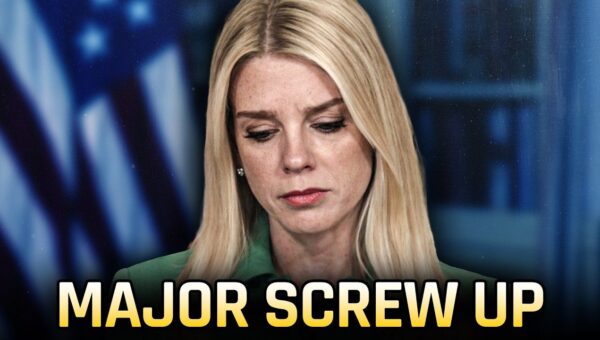
Bondi’s Court Blunder Could Cost US Billions
A court filing from Pam Bondi's Department of Justice may have committed the U.S. to refunding $170 billion in tariffs. This legal promise was made during challenges to Trump-era tariffs, with the DOJ assuring the court that collected funds would be repaid if the tariffs were overturned.
Trump Cites Iran Election Interference for US Military Action
President Trump has cited Iran's alleged election interference as justification for military action, a move critics label a "wag the dog" tactic to distract from domestic issues. Concerns are mounting over a leaked memo suggesting executive orders to grant sweeping powers over voting, potentially linked to election fraud claims.

Supreme Court Reins In Presidential Tariff Power
The U.S. Supreme Court has ruled that the President cannot use emergency powers to impose tariffs, potentially requiring billions in collected revenue to be repaid to corporations. This decision limits executive authority in trade policy.