Super PAC’s ‘Secret Conservative’ Attack Riles Illinois Primary
A dark-money Super PAC has launched a multi-million dollar ad campaign in Illinois, labeling progressive candidate Kat Abughazaleh a "secret conservative." This tactic highlights concerns over undisclosed funding influencing elections and misleading voters ahead of the primary.

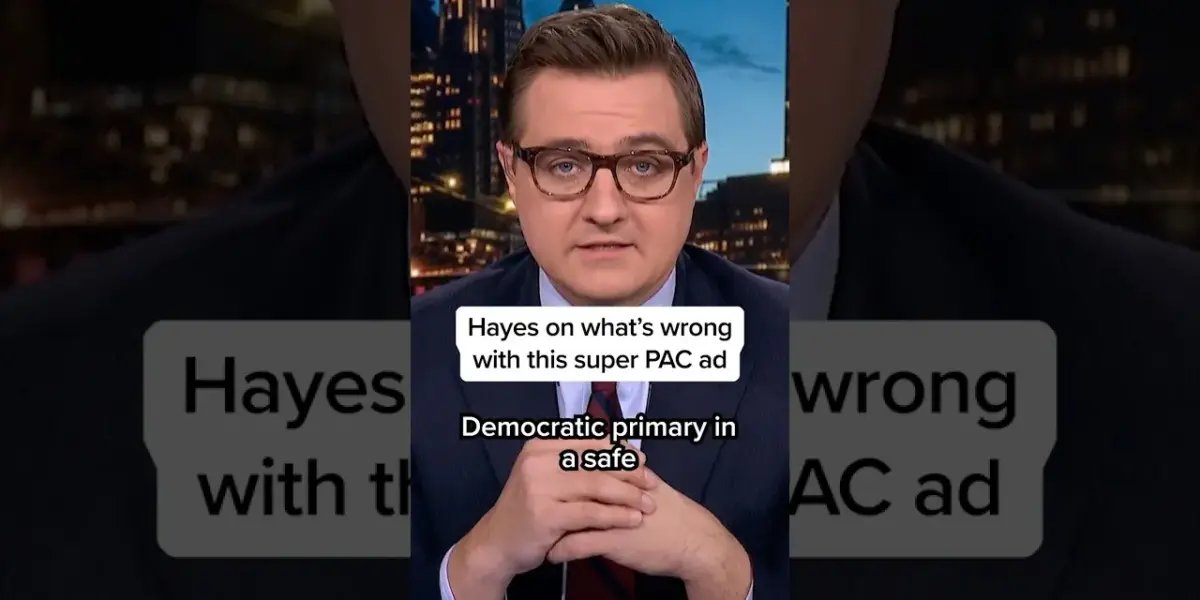
Super PAC’s ‘Secret Conservative’ Attack Riles Illinois Primary
As the Illinois primary election on Tuesday draws near, a prominent dark-money Super PAC has ignited controversy by launching a multi-million dollar ad campaign targeting progressive candidate Kat Abughazaleh. The ads accuse Abughazaleh of being a “secret conservative,” a tactic critics argue is designed to mislead voters and obscure the Super PAC’s true agenda. This aggressive strategy highlights the growing concern over the influence of outside groups in elections and their methods of manipulating public perception.
Unpacking the ‘Secret Conservative’ Accusation
The core of the attack ad centers on characterizing Kat Abughazaleh, a progressive voice in the Illinois political landscape, as secretly aligned with conservative ideologies. This framing is particularly striking given Abughazaleh’s public platform and policy positions, which are widely understood to be progressive. The Super PAC behind the ads, operating with significant financial backing from undisclosed donors, has poured millions into disseminating this message across various media platforms. The strategy aims to sow doubt among voters, particularly those who may not be deeply familiar with Abughazaleh’s record or the nuances of her political stances.
The Role of Dark Money in Modern Elections
The controversy surrounding the Super PAC’s ad campaign brings to the forefront the persistent issue of “dark money” in American politics. These organizations, often registered as non-profit entities, can accept unlimited contributions from individuals, corporations, and unions without disclosing their donors. This lack of transparency allows for substantial financial influence in elections, with Super PACs often serving as conduits for undisclosed spending. In this case, the millions spent attacking Abughazaleh raise questions about who stands to benefit from her defeat and what specific policy objectives the anonymous donors are attempting to advance by shaping the electoral outcome.
Strategic Deception or Legitimate Criticism?
Political analysts suggest that the “secret conservative” label is a calculated attempt to exploit voter anxieties and partisan divisions. By painting a progressive candidate as an ideological opposite, the Super PAC seeks to alienate potential supporters and discourage turnout among those who might otherwise rally behind her. This tactic bypasses substantive policy debates, focusing instead on character assassination and misrepresentation. Critics argue that this approach undermines informed decision-making by voters, who are presented with a distorted view of the candidates and their platforms.
“This is how outside groups try to trick voters instead of arguing their real agenda,” stated a commentator observing the ad campaign. This sentiment underscores the frustration with political advertising that relies on manufactured narratives rather than open discussion of policy and vision. The implication is that the Super PAC has an agenda it wishes to advance, but rather than advocating for it directly, it chooses to attack opponents with misleading claims.
The Illinois Primary Context
The timing of this Super PAC’s intervention is critical, occurring just days before the Illinois primary election. Such late-stage attacks are often designed to have maximum impact on undecided voters and to influence the momentum leading into election day. The progressive movement has seen significant growth in recent years, and candidates like Abughazaleh represent a key segment of this evolving political landscape. The effort to undermine her candidacy through such means could be seen as a direct response to the increasing influence of progressive politics.
Broader Implications for Democratic Discourse
The tactics employed in the Illinois primary have broader implications for the health of democratic discourse nationwide. When Super PACs can spend vast sums to attack candidates with unsubstantiated claims, it raises the stakes for transparency and accountability in political financing. The ability of dark money groups to shape electoral outcomes through deceptive advertising can erode public trust in the political process and discourage participation. This case serves as a microcosm of a larger national challenge: how to ensure that elections are decided on the merits of candidates and their policies, rather than the sheer volume of undisclosed spending and misleading rhetoric.
What to Watch Next
As Illinois voters head to the polls, the effectiveness of this Super PAC’s strategy will become evident. The outcome of the primary will offer insights into whether such tactics can successfully derail a progressive candidate. Moving forward, attention will likely focus on increased scrutiny of Super PAC activities, potential legislative efforts to enhance transparency in political funding, and the ongoing battle between grassroots movements and well-funded outside interests in shaping the future of American politics.
Source: Hayes on what's wrong with this super PAC ad (YouTube)

Related Articles

Noem’s Lavish Spending Exposed: Millions for Ads, Thousands for Glam
Millions were spent on a DHS ad campaign, with new filings revealing thousands for hair, makeup, and a rented horse. The no-bid contract awarded to a firm linked to a DHS spokesperson's husband has raised significant questions about spending priorities and accountability.


Cornyn, Paxton Unleash Nasty Attack Ads in Texas Senate Race
The Texas Republican race for U.S. Senate has intensified as incumbent John Cornyn and Attorney General Ken Paxton trade sharp attack ads. Cornyn's campaign highlights Paxton's legal troubles, while Paxton criticizes Cornyn's conservative credentials. The battle reflects a deeper ideological struggle within the Texas GOP.
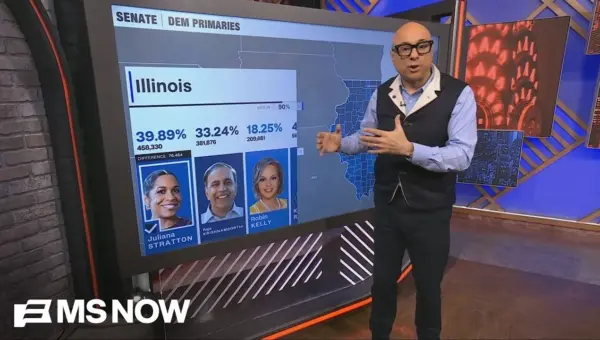
Illinois Primary Sees Record Turnout, Voters Seek ‘Fighters’
Millions of voters participated in Illinois's primary elections, setting records and indicating a highly engaged electorate. Key races saw Lieutenant Governor Juliana Stratton win the Democratic Senate nomination, while analysts noted a trend of voters seeking strong 'fighters' over purely ideological candidates.