Sullivan Slams ‘Lack of Planning’ in Iran Conflict
Former National Security Advisor Jake Sullivan criticized the current administration's handling of the conflict with Iran, citing a "sheer lack of planning" and unclear objectives. He argued that while tactical military gains have been made, the operation has resulted in strategic setbacks and does not enhance U.S. security, calling for a pivot to diplomacy and sanctions relief.

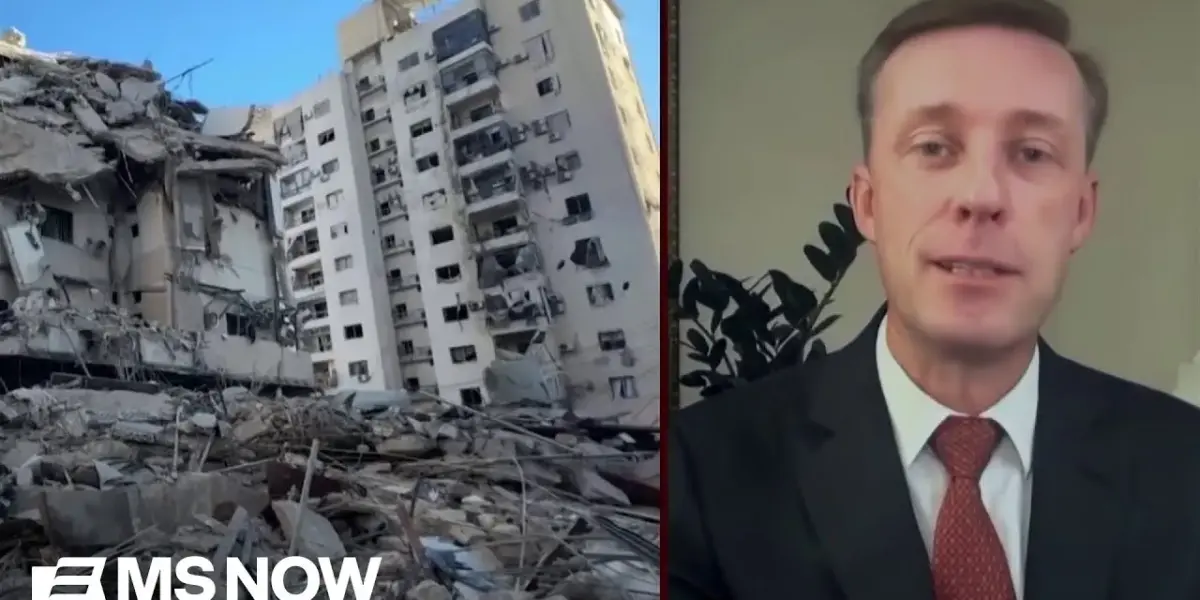
Sullivan Criticizes War Strategy Amidst Escalating Tensions
Former National Security Advisor Jake Sullivan has sharply criticized the current administration’s handling of the escalating conflict with Iran, citing a “sheer lack of planning” and a failure to consider the second and third-order consequences of military action. Speaking on a recent broadcast, Sullivan, a key figure in previous administrations, outlined significant concerns regarding the objectives, enemy responses, and long-term strategic implications of the ongoing hostilities.
Unclear Objectives and Unforeseen Responses
Sullivan highlighted a fundamental flaw in the war’s execution: the inability to clearly define its objectives. “We’ve gotten 12 different answers to the question of what are our objectives are in this war,” he stated, emphasizing that this ambiguity leaves the U.S. without a clear path to success or exit. He further pointed to the administration’s apparent surprise at Iran’s actions, such as threatening the Strait of Hormuz and impacting global energy prices, despite these being predictable responses.
“What the president will determine when Iran is in a place of unconditional surrender, when they don’t no longer pose a credible and direct threat to the United States of America and our allies.” – White House Press Secretary Caroline Levitt (as referenced by Sullivan)
Sullivan suggested that the administration’s struggle to articulate clear goals has led to a strategic corner, complicating the position of U.S. military forces. He contrasted the current situation with the hypothetical scenario of unconditional surrender, questioning the clarity and practicality of such a definition in the current context.
Assessing the Military Gains and Strategic Setbacks
While acknowledging the U.S. military’s effectiveness in degrading Iran’s conventional capabilities, including ballistic missiles, drones, and naval forces, Sullivan argued that these tactical gains do not translate into long-term security. “I do not believe that this has made America safer,” he asserted, noting that Iran’s conventional capabilities can be rapidly reconstituted.
He identified several significant costs associated with the conflict:
- Strain on relationships with Gulf allies due to regional fallout.
- Reduced U.S. capacity for global influence as it becomes mired in the Middle East.
- The initiation of a “war of choice” without a clear and imminent threat, which degrades U.S. global leadership.
- The potential for asymmetric attacks from Iran through terrorism or cyber warfare.
- Economic consequences felt by Americans at the pump due to disruptions in energy supply.
Sullivan concluded that a net assessment of the military action thus far indicates it is not advancing U.S. national security interests, especially given the lack of public explanation or informed consent for the operation.
The Path Forward: Diplomacy and Sanctions Relief
Sullivan strongly advocated for an “off-ramp” from the current conflict, urging an end to hostilities and a pivot towards diplomacy. He believes that while Iran’s nuclear program remains a critical concern, a maximalist approach demanding concessions on missiles and proxies upfront is destined for failure.
Instead, he proposed a sequenced diplomatic strategy:
- First, focus on the most proximate threat: Iran’s nuclear program. Secure a deal to dilute or remove enriched uranium.
- Second, engage in talks with Iran and regional countries on broader security issues, including missiles and proxies.
Crucially, Sullivan argued that any meaningful diplomacy must involve incentives, including a measure of sanctions relief. “When you engage in diplomacy, even with your most implacable adversary, and you make a demand of them, and you say, do this, and I will give you nothing for it, the odds that they’re going to say, okay, sure, I’ll go along with that are quite low,” he explained. He suggested that sanctions relief can be metered and tied to performance metrics.
Revisiting Pre-War Negotiations
The discussion also touched upon a potential pre-war offer from Iran regarding its nuclear material, reportedly received by Steve Witkoff and Jared Kushner. Sullivan suggested that such diplomatic avenues, previously dismissed, may need to be revisited. He emphasized that long-term confidence in preventing Iran from developing nuclear weapons fundamentally relies on diplomacy and verifiable inspections.
Conclusion: A Call for Strategic Reassessment
Sullivan’s assessment paints a grim picture of the current conflict’s trajectory, characterized by a lack of strategic foresight and a failure to achieve meaningful security gains for the United States. He urged a shift away from a reliance on regime change or solely military force, and a return to practical, step-by-step diplomacy, even with adversaries, as the most viable path to enhancing national and global security.
Source: 'Sheer lack of planning': Jake Sullivan slams WH for not thinking through the consequences of war (YouTube)

Related Articles
Iran War: An ‘Israeli Expansionist Project,’ Activist Claims
An activist has described the ongoing conflict in Iran as an 'Israeli expansionist project,' facilitated by the U.S. Susan Tamasi highlighted the devastating humanitarian impact, including the destruction of civilian homes and the erosion of women's rights. She criticized external calls for regime change, arguing that military interventions have historically led to chaos and destruction, not liberation.
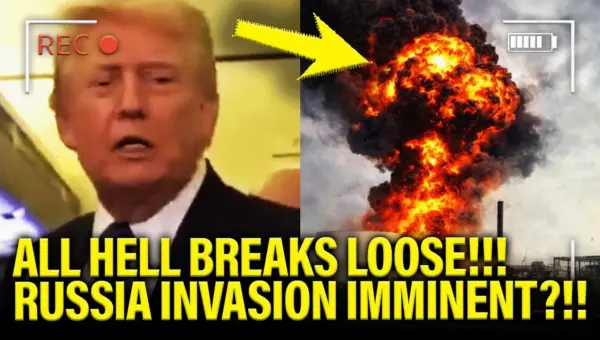
Global Conflict Ignites: Is Trump’s Iran War a Catalyst?
A provocative analysis suggests the conflict in Iran, under the Trump administration, is a catalyst for global war, potentially drawing in Russia and destabilizing regions from the Baltics to East Asia. The piece highlights shifting alliances, strategic vulnerabilities, and Ukraine's evolving role in drone warfare, painting a grim picture of escalating international tensions.
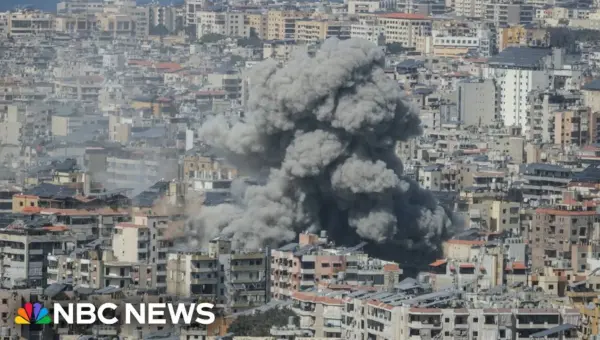
Iran Conflict Escalates: US Strikes Intensify Amidst Leadership Questions
Escalating tensions in the Middle East see intensified U.S. strikes on Iran amidst questions about the health of its new Supreme Leader. The conflict's economic impact is felt globally, with rising oil prices and threats to the Strait of Hormuz, while the U.S. grapples with domestic concerns over the war's objectives and severe weather.