Suarez Survives Pitch Clock Chaos, But Controversy Reigns!
Edmundo "Suarez" Sosa survived a potential strikeout on a pitch clock violation thanks to a controversial umpire's call. The play sparked confusion and debate about the enforcement of baseball's new pace-of-play rules.

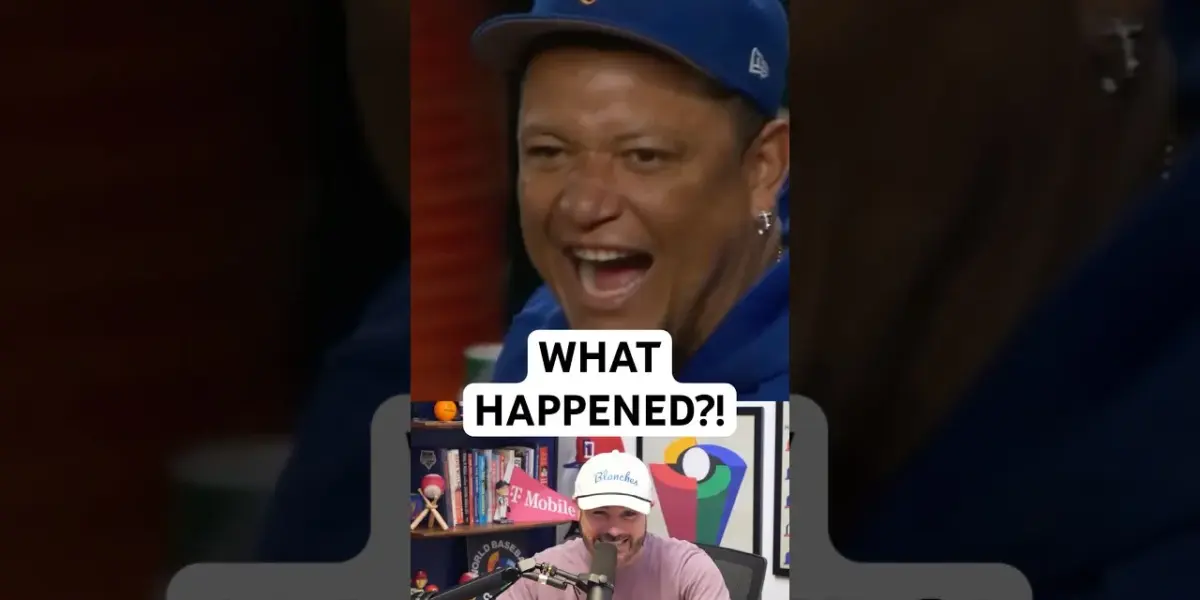
Suarez Survives Pitch Clock Chaos, But Controversy Reigns!
In a moment that left fans and players alike scratching their heads, the Philadelphia Phillies’ Edmundo “Suarez” Sosa managed to stay alive at the plate thanks to a bewildering sequence involving the pitch clock, an umpire’s decision, and a crucial foul ball. The incident, which occurred during a tense game, highlighted the ongoing adjustments to baseball’s new pace-of-play rules and the potential for confusion in high-pressure situations.
The Clock Ticks Down, The Confusion Begins
The transcript paints a vivid picture of the chaos that unfolded. With the pitch clock ticking down, the catcher, identified as Nola, was signaling to the pitcher, urging him to deliver the ball. The timer hit zero, and in that critical instant, Suarez stepped out of the batter’s box. The immediate assumption for many watching was that this would result in an automatic strike, ending his at-bat.
However, the umpire did not call a pitch clock violation. Instead, the umpire seemingly indicated that Suarez was asking for time. This interpretation was immediately contested by the Phillies’ bench, with one speaker noting, “No one seemed to really understand what actually happened here.” The exchange grew heated, with the umpire attempting to quell the rising tension, stating, “Stop. Stop. I’m telling you to stop.” The transcript suggests that if the umpire’s shouts were in English, they might have sounded like, “Let it go. Let it go. LET IT GO. LET IT GO.”
A Lucky Break, A Fought-Off Pitch
Against all odds, Suarez stepped back into the box and managed to foul off the next pitch. This crucial defensive swing kept his at-bat alive. Had the pitch clock violation been enforced, or had the umpire ruled he was indeed asking for time and not granted it, that foul ball would have been strike three, and Suarez would have been out. As one commentator put it, “That would have stunk. But it wasn’t. He wasn’t asking for time.”
The visual evidence, as described, showed two clocks centered in the frame. At one second remaining, the timer began its final descent. By the time it hit zero, Suarez had already begun his move out of the box. The transcript insists, “And it should have been a pitch clock violation. It should have been ball three.” Instead, the call went the other way, forcing Suarez to re-engage and fight for his at-bat.
The Aftermath and Lingering Questions
The immediate aftermath saw the catcher waving frantically, as if to say, “Come on, dude. Throw the ball. Throw the ball. We’re running out of time.” The confusion was palpable, with Suarez himself reportedly questioning the umpire, “Blue, blue. Okay. So, you got the You got the catcher saying, ‘Come on, dude. Throw the ball. Throw the ball. We’re running out of time.'” The umpire’s response, according to the transcript, was dismissive: “No, I What are you talking about?”
While Suarez ultimately got lucky and avoided a strikeout on that pitch, the incident raises significant questions about the consistent application of the pitch clock rules. The transcript notes that the next pitch could have potentially been ball four, but the game moved on. Ultimately, Suarez did strike out on the subsequent pitch, ending his turn at bat. However, the controversy of the previous sequence lingered.
Implications for Pitch Clock Enforcement
This particular play underscores the delicate balance MLB is trying to strike with its new pitch clock regulations. While the intention is to speed up the game and increase action, these moments of ambiguity can lead to frustration and debate. The transcript’s assertion that “it wasn’t that he wanted time. It was that the time ran” highlights the core of the issue: a perceived misinterpretation or leniency in enforcing the zero-second mark.
For the Phillies, avoiding an early out in a crucial moment was a minor victory. However, the lingering uncertainty surrounding the pitch clock’s application could impact future games. Teams and players are still adapting, and clear, consistent enforcement from umpires is paramount to the success of this new rule. This play serves as a stark reminder that even with technological aids, the human element of interpretation remains a critical factor in the game.
As the season progresses, all eyes will be on how umpires handle similar situations. Will there be more leniency, or will the rules be enforced with unwavering strictness? Baseball fans are watching, and the drama of the pitch clock is far from over.
Source: The pitch clock hit 0 so Suarez stepped out but the ump didnt call it so he had to step back (YouTube)

Related Articles


Cubs Star Pete Crow-Armstrong Signs $115M Deal
Chicago Cubs outfielder Pete Crow-Armstrong has signed a lucrative four-year, $115 million contract, solidifying his future with the team. He discussed the deal, the mental challenges of baseball, and the importance of clubhouse culture during an appearance on The Pat McAfee Show.

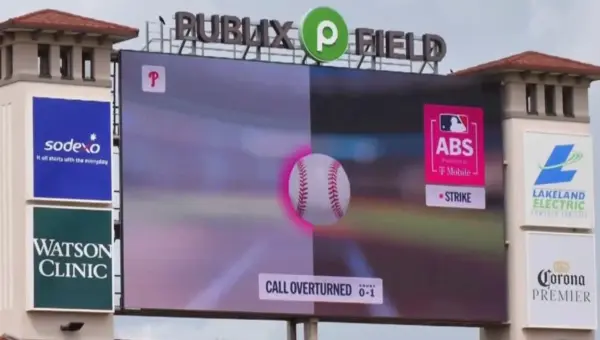
MLB Embraces Tech: Automated Ball-Strike System Debuts
Major League Baseball has introduced an automated ball-strike challenge system, aiming to increase accuracy and reduce controversial calls. While strategy remains, teams must now carefully manage limited challenges. Experts believe this technology will enhance fairness, especially in critical game moments, though the role of human umpires will likely evolve gradually.


Yankees’ “Run It Back” Season Starts: Can They Finally Win It All?
Jimmy O'Brien of Jomboy Media joined Pat McAfee to discuss the Yankees' "run it back" season, the controversial Opening Day broadcast, and the impact of new rules like ABS. He also weighed in on player celebrations and the NL's contenders.