Striking Iran’s Power Grid Could Cripple Regime, Expert Says
Striking Iran's power plants and bridges could significantly impact the regime, according to geopolitical strategist Colonel Darren Gobb. He explains how Iran's infrastructure is tied to its 'terror complex,' and disrupting it could force compliance. The analysis also touches on Israel's warnings to civilians and the effectiveness of US military training.

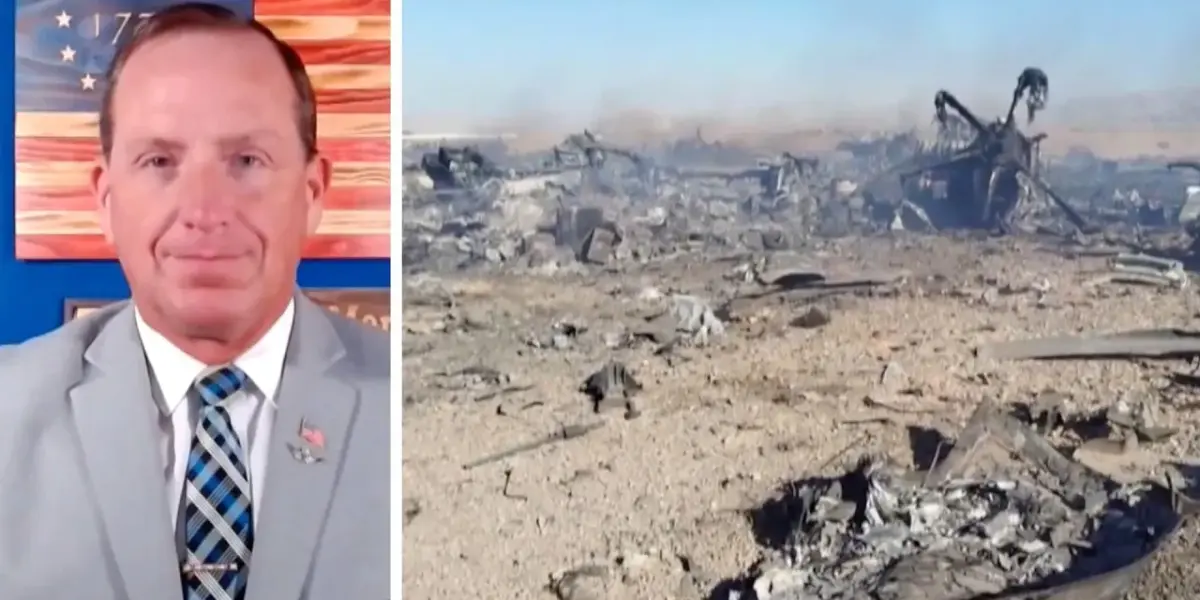
Targeting Infrastructure: A Bold Strategy Against Iran
Striking Iran’s power plants and bridges could have a major impact on the country’s leadership. Retired Colonel Darren Gobb, a geopolitical strategist, explained that Iran has spent decades building a vast network for spreading terror. This network relies heavily on its power and transportation systems.
“They’ve spent four decades plus doing is building this complex throughout their country,” Gobb stated. He believes that disrupting these key systems would significantly weaken Iran’s ability to operate as it has for so long. This could force the regime to change its behavior, especially concerning its actions in the Middle East.
Human Shields and Targeting Decisions
The idea of Iran using civilians as human shields around potential target sites raises difficult questions. Gobb suggested that such actions would be considered by any military planning an attack. However, he also noted that both the US and Israel have a history of surprising their adversaries with their methods.
“It could be something else that they’re not expecting as well,” Gobb said, hinting at unconventional tactics. He added that if Iran puts civilians near military targets, it reveals the true nature of its leaders. They would be using their own people to try and influence decisions, rather than relying on their military strength.
Israel’s Warning to Civilians
The Israeli Defense Forces (IDF) issued a direct warning in Farsi to Iranian civilians. They advised people to stay away from trains and railway lines for their safety. Gobb sees this as a consistent move, similar to how Israel has operated in Gaza and Lebanon.
“They’ve gone out of their way, frankly, to warn people to get out of areas that they plan on making into a target,” he explained. This warning could signal that transportation hubs are potential next targets. Israel might want to prevent Iran from using these systems for military movements or further actions.
The Power of Training: A Rescue Mission
The successful rescue of two US airmen highlighted the importance of rigorous training and preparation. Gobb, who has experience in combat search and rescue, emphasized the commitment to leaving no one behind.
“It comes down to training and preparation and then the will and the desire to follow through on the statement that we say that we leave nobody behind,” he stated. He described how years of training, involving various military branches, intelligence assets, and advanced technology, come together for such missions.
When all these elements are combined with a specific target and location, the result can be highly effective. Gobb mentioned that while he never had to execute such a mission himself, the capability exists within the military. The rescue proved how well these operations can be performed when needed.
Global Capabilities
When asked if other countries could perform similar operations, Gobb pointed to a few. The United Kingdom and Australia came to mind as nations with comparable training, though perhaps on a smaller scale. He felt that beyond these, few countries could realistically match the US’s capacity.
International Diplomacy and NATO’s Future
The political landscape also plays a role in these geopolitical discussions. The article touches on a press conference involving US Vice President Vance and Hungary’s Prime Minister Viktor Orbán. Gobb expressed concern about some European nations limiting support for US actions, particularly regarding Iran.
He praised Hungary as a “shining light” for its stance on freedom. However, he worries about the long-term effectiveness of NATO if member nations do not recognize the global threat posed by Iran. He believes failing to address this threat could impact global security and prosperity.
Watching the Deadline
As a critical deadline approached, Gobb identified key developments to watch. He looked for signs of a diplomatic breakthrough where Iran might agree to terms. If no agreement was reached by the deadline, he would be watching for immediate action or if the response would be based on changing conditions.
Why This Matters
This analysis highlights the potential consequences of military action against Iran’s infrastructure. It suggests that targeting key systems could be a powerful tool for influencing the regime’s behavior. The discussion also raises ethical considerations about human shields and the complexities of modern warfare. Furthermore, it underscores the importance of well-trained military forces and international alliances in addressing global security challenges. The situation with Iran remains a critical point of focus for international relations and security.
Implications and Future Outlook
The strategy of targeting a nation’s infrastructure is not new, but its application to Iran carries significant weight. If successful, it could deter further aggressive actions by the Iranian regime. However, it also carries the risk of escalation and unintended consequences. The use of warnings to civilians suggests a move towards more precise operations, aiming to minimize collateral damage while still achieving strategic goals.
The future outlook depends heavily on Iran’s response and the international community’s unified stance. The effectiveness of diplomatic pressure versus military options will continue to be debated. The potential for asymmetric warfare means that any conflict could unfold in unexpected ways. The role of allies and the strength of international coalitions will be crucial in managing such a volatile situation.
Historical Context
Iran’s strategic focus on developing its military and supporting proxy groups has a long history, dating back to the 1979 revolution. Its actions in the Middle East have often been seen as a challenge to regional stability and international norms. Past incidents, such as attacks on shipping and oil facilities, have led to increased tensions. The current discussions about potential military responses are part of a long-standing pattern of confrontation and deterrence.
Source: Blitz on Iran’s Power Plants and Bridges Could Have 'Significant Effect' on Regime: Expert (YouTube)

Related Articles


Iran Conflict: US Underestimated Iran, Humbled by Strait of Hormuz
Experts are calling the recent Iran conflict America's 'Suez Moment,' suggesting the U.S. has been humbled despite military actions. A ceasefire has been brokered, but Iran's terms for reopening the Strait of Hormuz, including charging tolls, present significant challenges for future negotiations.

Trump’s Nuclear Rhetoric Sparks Global Outcry, Expert Warns
Malcolm Nance, a former U.S. Navy intelligence officer, has voiced alarm over former President Donald Trump's "blithe attitude" towards nuclear weapons and his threats against Iran. Nance argues this rhetoric is unprecedented and dangerous, drawing condemnation from global leaders and sparking calls for constitutional measures.

Troops Could Block Trump’s Iran Orders, Experts Warn
Experts suggest U.S. troops might legally refuse orders from a future President Trump concerning Iran, potentially creating a military dilemma. This would signal a serious breakdown between civilian and military leadership, as military advice and adherence to international law are critical.