Strait of Hormuz Vulnerable as Drones Threaten Global Trade
The Strait of Hormuz faces critical vulnerability as Iran's drone capabilities threaten to disrupt global shipping and shatter international confidence. Amidst escalating tensions and fluctuating oil prices, the UAE government is reportedly terrified by the implications. The ease of deploying inexpensive drones poses a significant challenge to traditional defense strategies, highlighting a new era in asymmetric warfare.

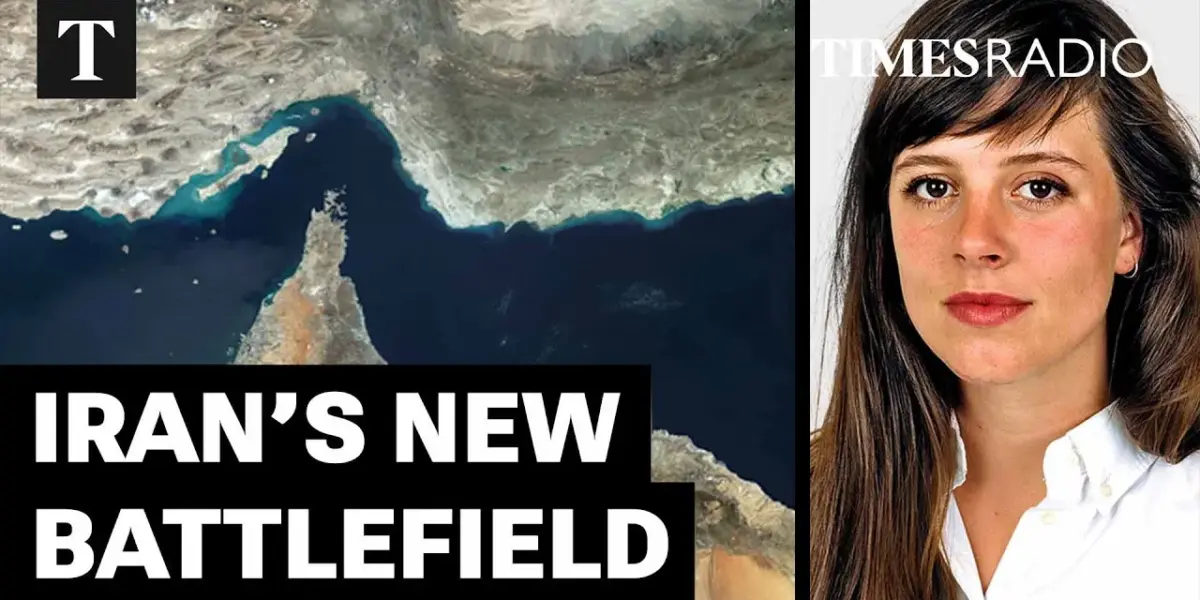
Global Trade at Risk: Strait of Hormuz Faces Unprecedented Threat
The Strait of Hormuz, a critical global chokepoint for oil and commerce, is facing unprecedented vulnerability due to the escalating threat of drone attacks. Senior Foreign Correspondent for The Sunday Times, Louise Callaghan, reporting from Abu Dhabi, highlights the delicate situation where Iran’s ability to disrupt shipping with relatively inexpensive drones is shattering international confidence in the vital waterway. The United Arab Emirates (UAE) government is reportedly terrified about the implications, desperately attempting to restore faith in the security of this crucial transit route.
Escalating Tensions and Economic Fallout
Concerns over the situation in the Gulf have sent ripples through global markets, with oil prices fluctuating nervously around the $100 per barrel mark. The frequency of attacks has not only impacted the Strait of Hormuz itself but has also seen incidents spread to surrounding waters. Reports indicate a container ship hit by a projectile off Dubai, two fuel tankers struck in Iraqi waters resulting in a fatality, and an attack on fuel tanks in Bahrain. In a stark demonstration of the perceived risk, one nation has evacuated all ships from its main oil export terminal as a precautionary measure.
The potential for further escalation is underscored by commentary suggesting Iran could push oil prices to $200 a barrel if provoked. U.S. President Donald Trump, while asserting America’s strength and claiming to have “knocked out all of their boats,” acknowledged Iran possesses missiles, though he downplayed their quantity.
Abu Dhabi Under Alert: A Shifting Security Landscape
Callaghan’s firsthand account from Abu Dhabi paints a picture of heightened alert, with missile and drone alerts becoming a regular occurrence overnight. The disruption extends to critical infrastructure, with Dubai International Airport experiencing shutdowns due to drone activity. This instability directly challenges the Gulf’s carefully cultivated image as a secure hub for business and tourism, an image that has been instrumental in its economic rise and global standing.
“What Iran is now doing is sending these drone attacks into the Gulf to try and shatter that illusion. And it’s working.”
Louise Callaghan, Senior Foreign Correspondent, The Sunday Times
The impact is tangible, with a noticeable exodus of expatriates and temporary residents from the region in recent weeks. The long-term implications for key industries, including tourism, oil and gas, and the vast volume of international commerce passing through the Strait, are a significant concern.
The Drone Dilemma: Asymmetry in Modern Warfare
Callaghan emphasizes the inherent vulnerability of the Strait of Hormuz, a fact that has been evident for years. The ease with which Iran can disrupt shipping, whether through “pot shots” at vessels or drone deployment, poses a significant challenge to international security and commerce. The core issue, as highlighted by Callaghan, lies in the asymmetry of the conflict:
- Iran can deploy relatively inexpensive drones from its territory, causing significant disruption.
- This disruption causes insurers to become unwilling to underwrite the risks of passage, effectively halting trade.
- Protecting against these low-cost, high-impact attacks is proving incredibly expensive and difficult for major global powers like France and the U.S.
The nature of warfare has evolved dramatically. While a decade or two ago, disrupting shipping lanes might have involved complex operations like mine-laying or underwater missiles, the advent of readily available drone technology has fundamentally altered the landscape. As one commentator noted, Iran doesn’t need a traditional navy; it needs “a kid with a console” capable of launching a drone to cripple vital shipping.
Technological Arms Race: Innovation and Defense
In response to these evolving threats, there is a burgeoning technological arms race. Reports highlight British startups developing advanced drone technology, with one company reportedly outperforming American counterparts in U.S. military trials. These new drones possess capabilities such as striking targets up to 10 kilometers away, operating from a console, and featuring advanced anti-jamming technology.
The development of counter-drone technologies is crucial. The history of warfare demonstrates a constant cycle of innovation and counter-innovation. The critical question remains: what is the effective counter-technology to cheap, disruptive drones that can imperil global trade routes? The lack of a clear defense investment plan, particularly in the UK, is seen as a significant impediment to developing and deploying these necessary countermeasures.
Looking Ahead: The Uncertain Future of the Strait
The situation in the Strait of Hormuz remains exceptionally precarious. The ease with which Iran can leverage drone technology to disrupt global commerce poses a significant challenge that current defense strategies are struggling to adequately address. As tensions persist and technological capabilities evolve, the international community will be closely watching for effective solutions to safeguard this vital artery of global trade and prevent further economic instability.
Source: The Strait Of Hormuz Is An ‘Incredibly Vulnerable Choke Point’ In Iran War | Louise Callaghan (YouTube)

Related Articles

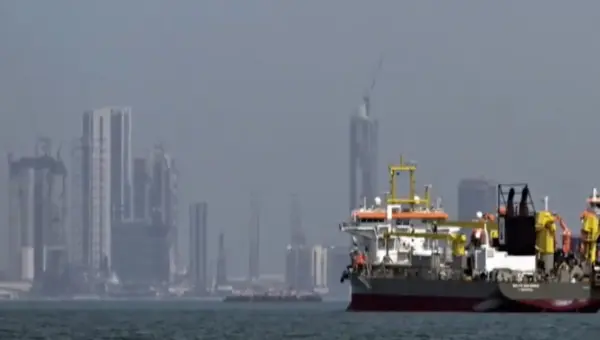
Iran Blocks China Ships, Exposing Beijing’s Weak Grip
Iran's recent decision to block Chinese ships at the Strait of Hormuz is exposing the limits of Beijing's influence in the Middle East. This action is causing delays and cancellations for Chinese manufacturers, turning a perceived geopolitical win into an economic strain.
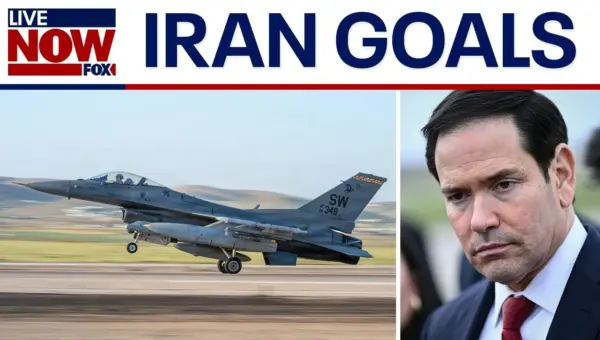
Rubio: US Can Achieve Iran War Goals Without Troops
Senator Marco Rubio outlined a strategy to counter Iran without deploying U.S. ground troops, focusing on weakening the regime and enhancing maritime security. He also criticized Cuba's economic system and expressed concerns about West Bank violence.


Israel Escalates Iran Strikes, Warns of Wider War
Israel has launched significant strikes inside Iran following continued missile fire, warning of further escalation. The conflict risks wider regional instability and economic disruption, especially concerning the Strait of Hormuz.