Strait of Hormuz Tensions Risk Wider Middle East War
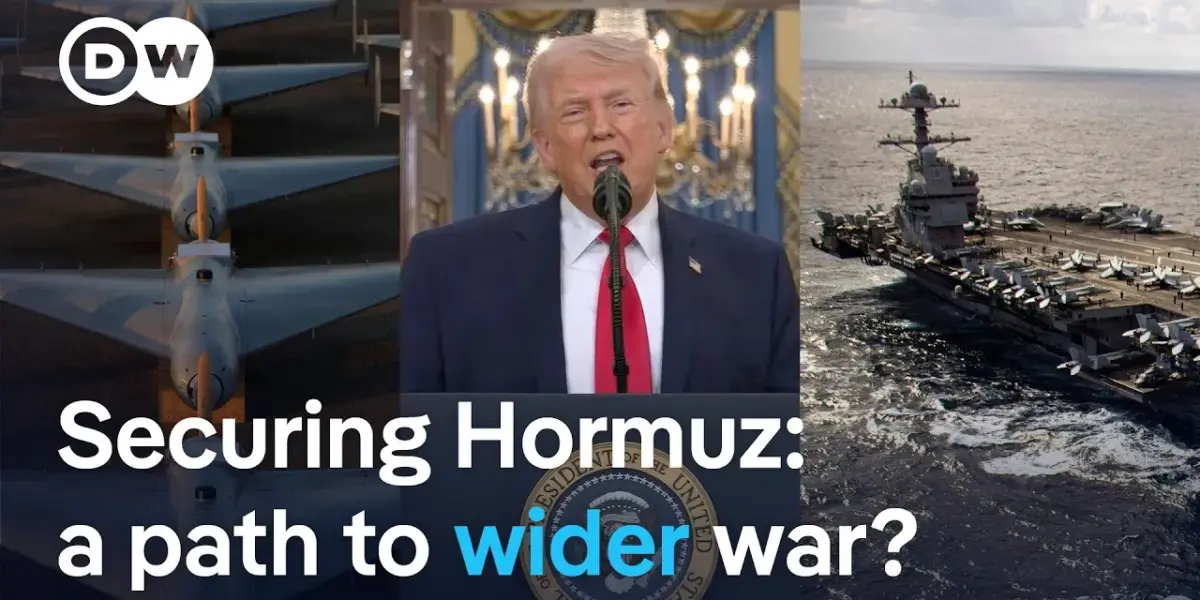
Efforts to secure the vital Strait of Hormuz risk triggering a wider Middle East war, according to UN warnings and security analysts. The narrow waterway is crucial for global trade, and forcing it open against Iran's objections could escalate regional tensions dramatically. Experts highlight the complex geography, Iran's remaining military capabilities, and the involvement of regional players as key factors in the volatile situation.

Strait of Hormuz Tensions Risk Wider Middle East War
Efforts to secure the vital Strait of Hormuz, a narrow waterway crucial for global energy and food supplies, are raising fears of a wider war engulfing the Middle East. The United Nations has issued stark warnings, stating the region is “on the edge of a wider war” with dramatic global impacts.
The strait, a critical choke point, has become a focal point of escalating tensions. Any move to forcibly reopen it against Iran’s stated objections could draw more nations into the conflict, according to security analysts.
A Delicate Balancing Act
The United Nations chief has highlighted the “human suffering” caused by the disruption of navigation in the strait. “When the Strait of Hormuz is strangled, the world’s poorest and most vulnerable cannot breathe,” he stated. Diplomatic efforts are reportedly underway to find a peaceful resolution, but the question remains whether diplomacy or military might will prevail.
Megan Suttcliffe, a security analyst at Cibiline, explained the delicate situation. “Iran repeatedly stat[es] that it views itself as having a natural right to regulate the flow of vessels through the Strait of Hormuz,” she said. “Any state that sought to disrupt that right… would be violating those rights and would be a party to the conflict.”
Explosive Geography
The strait’s narrowness, at its widest point only about 40 kilometers (25 miles) across, leaves little room for vessels to avoid hostilities. Securing it would likely require an “extremely intense campaign” targeting Iran’s coastal defenses, including its missile and drone programs.
“The risk is that the involvement of multilateral parties could spark a broader escalation targeting those individuals and targeting those bases at any point in time,” Suttcliffe added. The region is densely packed with military bases belonging to the United States and other nations, increasing the potential for wider conflict.
Assessing Iran’s Capabilities
While some statements suggest Iran’s military capabilities have been significantly degraded, analysts caution against underestimating its power. “Trump has made that statement many times,” Suttcliffe noted, referring to claims of Iran’s military being “eviscerated.”
Reports suggest a significant portion of Iran’s ballistic missile facilities may be damaged. However, Iran possesses tens of thousands of readily produced drones and a substantial stock of sea mines. The deployment of these mines in the strait would present a major challenge to restoring freedom of navigation.
Regional Players and Risks
Neighboring Gulf states, including Oman, the UAE, and Qatar, are deeply affected by the conflict. They have experienced Iranian drone attacks and threats, and host numerous U.S. and coalition military installations.
While these Gulf monarchies have condemned Iran’s actions and called for de-escalation, they have not yet directly participated militarily. However, their involvement could increase as the conflict’s economic impact grows. Potential actions could include forming a coalition to target Iranian proxies like the Houthis.
Saudi Arabia and Israel’s Shifting Dynamics
Saudi Arabia’s focus remains on maintaining air defenses and managing relations with Tehran, particularly after normalizing ties earlier in 2023. The U.S. is reportedly pushing for closer alliances between its regional partners, including Saudi Arabia and Israel.
Disruptions to Saudi oil exports through the Strait of Hormuz have created economic pressure. Israel has offered to facilitate Gulf oil exports through the Mediterranean, potentially bypassing the strait and the Red Sea, signaling ongoing diplomatic discussions.
The Houthi Factor
The Houthis in Yemen add another layer of complexity. Their past attacks on Red Sea shipping caused significant global trade disruptions. If they resume such actions, it could severely impact Saudi Arabia’s oil exports and global energy markets.
Currently, the Houthis are channeling hostilities towards Israel. However, a significant escalation, particularly if the U.S. attempts to take control of Iranian territory in the Persian Gulf, could potentially trigger renewed Houthi attacks on commercial vessels. This would be a “nightmare for Saudi Arabia” and global energy markets, potentially leading to major price hikes.
Concerns Over Civilian Infrastructure
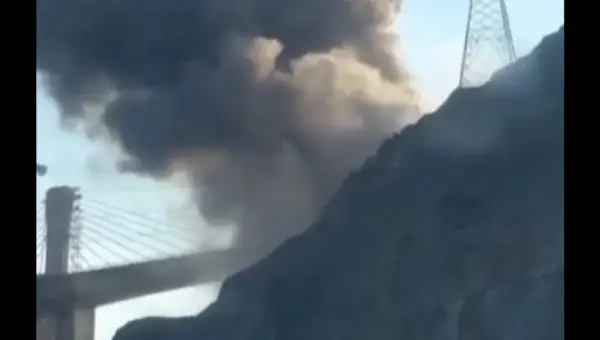
A primary concern is the potential targeting of civilian infrastructure. While initial strikes have focused on military and dual-use installations, statements suggest a potential escalation to maximize pressure on Tehran. This could lead to reciprocal attacks on critical civilian infrastructure in the Gulf, including bridges and energy facilities.
“I’m very concerned that we will end up in a situation where this conflict begins to escalate in an uncontrolled and existential manner,” Suttcliffe warned.
Pathways to Resolution
While diplomatic cooperation is not off the table, translating it into concrete action is complex. A virtual conference involving over 40 nations discussed restoring freedom of navigation, but implementing military operations would require significant resources and coordination.
Marina, a military expert from King’s College London, expressed skepticism about a forceful reopening of the strait. “It is possible to extend this operation to to launch a ground operation. But the question is, is there enough capability at this point?” she asked.
She emphasized that Iran retains significant capabilities to disrupt shipping and that a forceful approach would be costly, time-consuming, and potentially ineffective. “From my perspective, there need to be more mediation efforts,” Marina stated, suggesting that a diplomatic solution involving countries like Pakistan, Turkey, China, and Russia might be the most viable path forward.
Future Outlook
The situation remains highly unpredictable, with a constellation of factors influencing potential escalation. The long-term security of the Strait of Hormuz likely depends on reaching an agreement with Iran, potentially involving security guarantees. The economic consequences of continued instability, including rising oil and insurance prices, are a global concern, making a diplomatic resolution increasingly urgent.
Source: Will efforts to secure the Strait of Hormuz open the door to a wider war in the region? | DW News (YouTube)

Related Articles

UK Leads Global Effort to Secure Strait of Hormuz
The UK has rallied over 40 countries to address the crisis in the Strait of Hormuz, a vital global energy route. The initiative seeks diplomatic and economic solutions amidst rising tensions and calls for a stronger European role. Experts suggest that negotiation, rather than military action, is key to securing the strait's passage.

Iran Claims Jet Downed, Escalates Regional Attacks
Iran claims it shot down a U.S. fighter jet, marking a significant escalation in regional tensions. The U.S. has been targeting Iranian infrastructure, while Iran and its allies have launched retaliatory strikes across the Middle East, impacting oil facilities and causing injuries. The critical Strait of Hormuz remains a key point of contention.
Trump Escalates Iran Tensions, Targets Infrastructure
President Trump has warned of intensified strikes against Iran, targeting infrastructure like bridges and power plants. This strategy aims to pressure the regime into peace talks, though Iranian officials condemn it as an attack on civilian life. U.S. officials state the strikes target military supply routes to undermine Iran's capabilities.