Strait of Hormuz Tensions: Nations Navigate ‘Every Man For Themselves’
Nations are navigating a precarious "every man for themselves" situation in the Strait of Hormuz amidst rising tensions. Iran is strategically leveraging its position, while diplomatic efforts and asymmetric threats create an unpredictable environment. The impact of GPS jamming and the low volume of transit highlight the ongoing challenges.

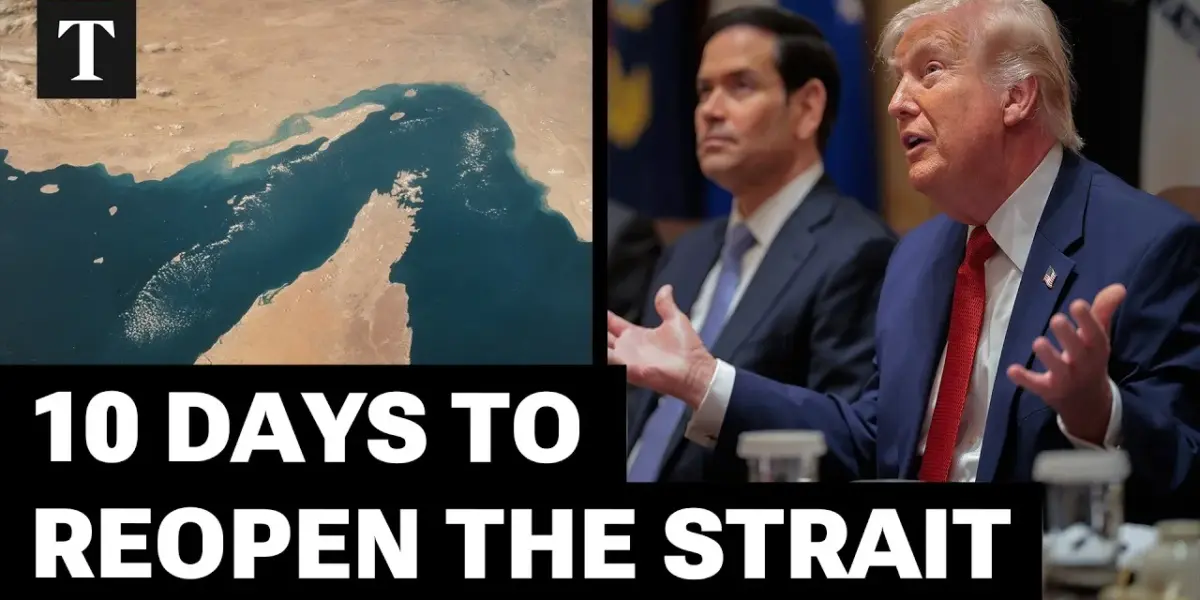
Global Powers Face Rising Tensions in Strait of Hormuz
The vital Strait of Hormuz, a critical waterway for global oil trade, is currently the scene of intense diplomatic maneuvering and rising maritime risks. As nations grapple with potential disruptions, the situation is being described as an “every man for themselves” scenario, highlighting a complex web of individual country negotiations and asymmetric threats. The United States has extended a deadline for Iran, offering a 10-day pause on potential strikes against Iranian energy infrastructure, signaling a delicate balance between de-escalation and ongoing pressure.
Iran’s Strategic Gamble in the Chokepoint
Iran appears to be betting that the cost it incurs by potentially disrupting shipping through the Strait of Hormuz is less than the cost borne by the United States and other global powers. This strategy allows Iran to make individual deals with countries, potentially enabling its own oil transit through “dark fleet” vessels or in partnership with willing nations. This approach suggests that other countries are bearing the brunt of the economic impact, while Iran seeks to mitigate its own losses and exert leverage.
Diplomatic Efforts and Unpredictability
President Trump has granted Iran an additional 10 days, pausing his pledge to target Iranian energy plants. He described the talks as progressing well, noting that Iran requested a seven-day extension, which he granted as 10 days. “They asked for seven and I said, ‘I’m going to give you 10.’ Because they gave me ships. We talked about the eight ships,” Trump told Fox News. Meanwhile, diplomatic activity is high, with the Prime Minister of Qatar visiting Washington and the Foreign Secretary of Qatar meeting with G7 foreign ministers, including the U.S. Secretary of State.
Regional Responses and Asymmetric Warfare
Nissia Lab, a fellow at the Chattam House Foreign Affairs think tank specializing in maritime disputes, highlighted the varied regional approaches to the Hormuz issue. Countries like China and India are actively seeking bilateral deals with Iran for ship transit, with India planning to send its own naval escorts. In contrast, nations like Japan and North Korea are pursuing individual negotiations. This diverse range of responses contributes to the overall unpredictability of the situation.
“The biggest thing to pay attention to is all of the different regional approaches that are being taken to address the issue in the Strait of Hormuz.”
Learning from the Red Sea Crisis
The current situation in the Strait of Hormuz draws comparisons to the Red Sea crisis of 2024. Experts suggest Iran may be employing tactics similar to the Houthi rebels, utilizing low-cost attrition strategies that undermine perceived naval dominance. This approach, often involving drones, creates a constant threat of volatility and drives up shipping insurance costs, effectively imposing a functional blockade without direct confrontation. Such tactics can render traditional naval power less significant.
The Strategic Value of Maritime Chokepoints
The Strait of Hormuz is not unique in its strategic importance. Maritime chokepoints worldwide, such as the Suez Canal, Panama Canal, and the Strait of Malacca, share a common characteristic: they narrow global trade into confined corridors. This geography grants nearby states or threat actors significant asymmetric advantages. These actors can exploit these vulnerabilities, learning lessons from current events to employ similar tactics in the future.
Iran’s Incentive to Control Hormuz
Historically, Iran has threatened to close the Strait of Hormuz when facing international pressure or sanctions. The current escalation, however, represents a more significant threat. Iran’s decision to potentially disrupt traffic is a calculated risk, weighing the costs to its own trade against the global economic consequences. If Iran perceives an existential threat, it may deem the cost of closing the strait a necessary price to pay.
The Impact of GPS Jamming and Spoofing
Sophisticated GPS jamming, often used by Gulf states for defensive purposes against precision-guided missiles, has unintended consequences for maritime navigation. It can interfere with the signals of commercial vessels, hindering their ability to signal their location and navigate safely. Beyond jamming, there is the threat of GPS spoofing, where a state like Iran could alter a ship’s reported location or falsify its data. While such targeted spoofing hasn’t been confirmed in this conflict, Iran has a history of conducting cyberattacks on vessels. This combination of jamming and spoofing makes transit through the region exceedingly difficult for commercial ships, necessitating naval escorts.
A Trickle of Transit, Not a Flood
While some vessels, notably a Chinese vessel that reportedly made a private payment to Iran, and some Indian ships, have managed to transit the Strait of Hormuz, the volume is drastically reduced. On an average day, hundreds of ships pass through the strait. Currently, this number has dropped to perhaps two to four vessels. These individually negotiated deals represent a mere trickle and do not signify a large-scale reopening or a widespread exception for certain countries.
Source: Strait Of Hormuz Negotiations Are 'Every Man For Themselves' (YouTube)

Related Articles
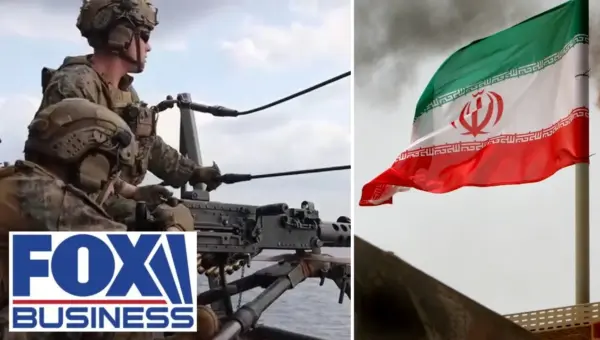
Pentagon Weighs 10,000 Troops for Iran Showdown
The Pentagon is reportedly weighing a significant troop increase of 10,000 soldiers to the Middle East, potentially escalating tensions with Iran. This move comes amid reports of U.S. precision strikes and interceptions of Iranian missiles by allies, raising concerns about regional stability and global oil supplies.


Asia Faces Oil Shortages as Middle East War Disrupts Global Energy
A war in the Middle East has triggered widespread oil and gas shortages across Asia, leading to protests, rationing, and long fuel lines. The crisis, described as the largest supply disruption in history, is forcing governments to take drastic measures and is creating economic strain throughout the continent. Analysts are closely watching the Strait of Hormuz and diplomatic efforts to ease the energy emergency.

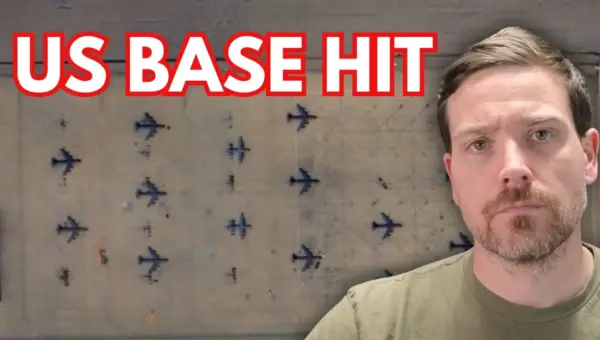
Iran Strikes US Base: Are We Learning from Mistakes?
A recent Iranian drone and missile attack wounded American service members and damaged aircraft in Saudi Arabia. This incident highlights concerns about military preparedness and the failure to learn from past mistakes, as exposed aircraft remain vulnerable targets. The ongoing conflict involves complex regional dynamics, including Iran's missile capabilities and the potential involvement of groups like the Houthis, raising questions about future stability.