Strait of Hormuz Tensions: Iran Blocks Ships Amid US Military Buildup
Tensions escalate in the Strait of Hormuz as Iran restricts passage for U.S. and allied ships, while U.S. military presence in the region is bolstered. Seafarers report fear and significant delays, with hundreds of vessels awaiting passage amidst recent attacks.

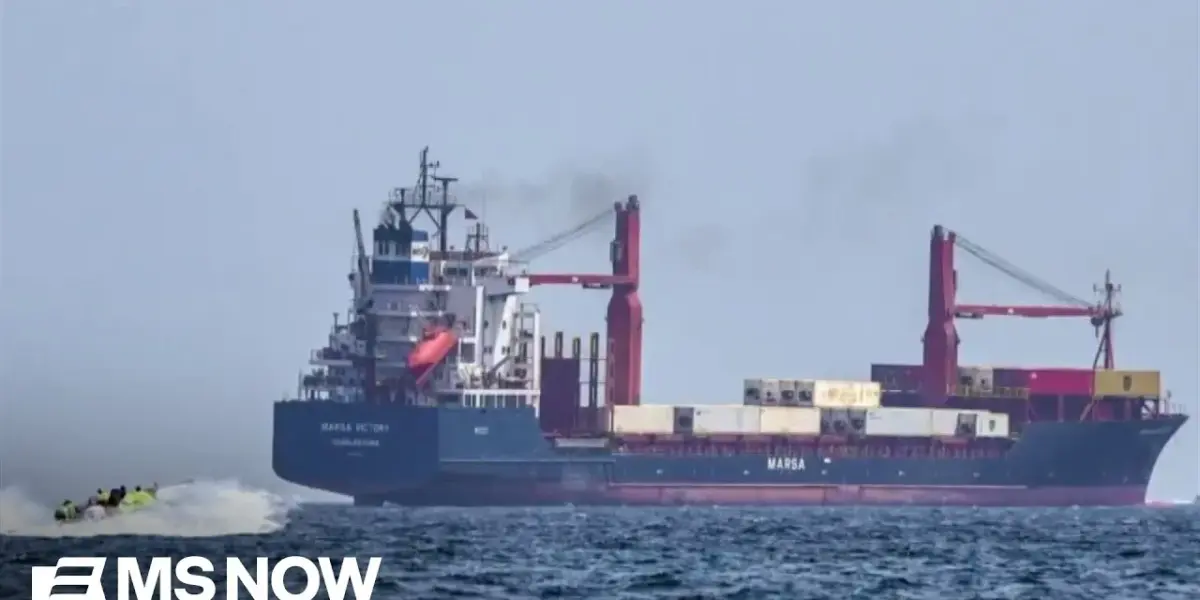
Iran Restricts Hormuz Passage Amid Escalating US Tensions
In week three of heightened tensions between the United States and Iran, the strategic Strait of Hormuz has become a focal point of a growing maritime crisis. The U.S. is reportedly reinforcing its military presence in the Arabian Sea, with officials indicating the deployment of up to 5,000 additional service members, including the 31st Marine Expeditionary Unit and several warships. This significant troop and naval buildup comes as Iran continues to challenge U.S. threats, which have included potential strikes on Iranian oil infrastructure if the strait remains a point of contention and if Iran persists in menacing passing vessels.
Global Oil Lifeline Under Threat
The Strait of Hormuz, a narrow waterway separating the Persian Gulf from the Gulf of Oman, is a critical chokepoint for global energy supplies. Approximately 20 percent of the world’s oil trade and a similar percentage of global liquefied natural gas (LNG) supply transit through this vital passage. Any disruption or perceived threat to the strait’s security has immediate and far-reaching economic implications worldwide.
Conflicting Signals on Strait’s Openness
Amidst the escalating situation, conflicting statements have emerged regarding the strait’s accessibility. In a significant development, Iran’s Foreign Minister, in an interview, signaled that the Strait of Hormuz is, in fact, open, but with a crucial caveat: it is only closed to vessels belonging to the United States and its adversaries, those actively engaged in conflict with Iran. “The Strait of Hormuz is open, it is only closed to the tankers and ships belonging to our enemies, to those who are attacking us and their allies,” the Foreign Minister stated. “Others are free to pass. Of course, many of them prefer not to because of their security concerns. This has nothing to do with us.”
On-the-Ground Reality: Fear and Stalled Traffic
However, the reality on the ground, as reported from the Strait of Hormuz, presents a starkly different picture. Inzamam Rashid, a Dubai-based freelance correspondent reporting from the vicinity, described a scene of significant maritime congestion and palpable fear among seafarers. “There’s 1,000, over 1,000 ships, vessels, tankers currently waiting in these waters behind me,” Rashid reported. “Around 200 of them are critical oil tankers that many countries around the world are in desperate need of.”
Rashid elaborated on the atmosphere, stating, “Tonight, I can see dozens and dozens, if not hundreds of tankers parked up to my left. The lights are on this evening and they just simply can’t get through and they’re not going through because of fear.” He shared accounts from seafarers who expressed deep worry and anxiety, detailing the pressure they feel when attempting to navigate the area.
Recent Attacks Fuel Security Concerns
The pervasive fear is directly linked to recent incidents involving Iranian missile targeting of vessels in the region. These attacks have reportedly affected ships not directly involved in the current U.S.-Iran conflict. “The other night, we saw a Thai-flagged carrier targeted where 20 of its crew members had to be rescued. There are at least three still missing at sea,” Rashid recounted, highlighting the human cost and the immediate danger posed to international shipping.
Despite Iran’s official assertion that only U.S. vessels and their allies are being barred passage, Rashid’s observations suggest a broader restriction. “It is, in fact, not allowing many others,” he noted. “It’s only allowing Iranian oil tankers to go through the Strait of Hormuz heading towards China.” This assertion directly contradicts the Iranian Foreign Minister’s statement, indicating that the strait’s operational status remains a complex and potentially manipulated issue.
US Response and International Involvement
In response to the escalating situation and Iran’s actions, U.S. President Donald Trump has indicated a broader international coalition will be formed to ensure the strait remains open and safe. “Many countries, especially those who are affected by Iran’s attempted closure of the Hormuz strait will be sending warships in conjunction with the United States of America to keep the strait open and safe,” Trump stated. This suggests a potential multinational effort to counter Iran’s influence and secure international maritime routes.
Looking Ahead: Navigating Uncertainty
The coming days and weeks will be critical in determining the future of maritime security in the Strait of Hormuz. The deployment of additional U.S. forces, coupled with the ongoing diplomatic and military posturing from Iran, creates a volatile environment. The effectiveness of any international coalition, the willingness of nations to risk passage through the strait, and the potential for further escalation will be key factors to monitor as the global community grapples with this critical energy and security challenge.
Source: “They’re not going through because of fear”: Strait of Hormuz attacks leave vessels in limbo (YouTube)

Related Articles

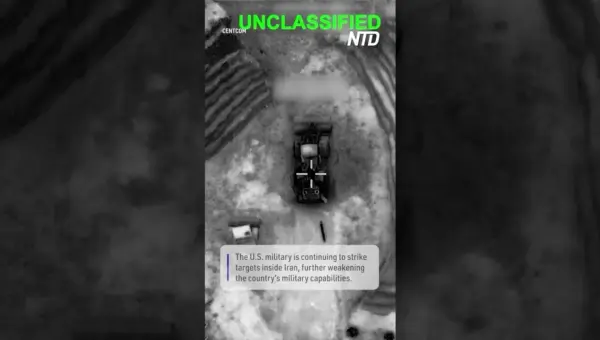
US Strikes Cripple Iran’s Military Might, CENTCOM Reports
U.S. Central Command reports ongoing strikes inside Iran are significantly weakening its military power. This direct action aims to reshape regional security dynamics, but carries risks of escalation. The long-term impact depends on Iran's response and ability to adapt.


U.S. Iran Tensions Rise Amid Shifting Alliances
Rising tensions between the U.S. and Iran are creating a volatile geopolitical situation. With conflicting signals on de-escalation and potential shifts in alliances like NATO and U.S.-Israel relations, the path forward remains uncertain. The global economy and regional stability hang in the balance.


Iran Targets US With Cyberattacks, Escalating Digital Warfare
Iran is increasingly using cyberattacks to challenge the U.S., as seen in a recent hack of the FBI director's account. Experts say this is a strategic shift due to Iran's limitations in conventional warfare. The U.S. needs to strengthen its digital defenses, focusing on encryption and cloud computing, rather than solely relying on traditional security measures.