Strait of Hormuz Shipping Plummets, Fueling US Gas Price Surge
Significant disruptions in the Strait of Hormuz have caused global shipping traffic to plummet by approximately 90%, leading to a sharp 7% surge in US gasoline prices over two days. This marks the largest jump in 21 years, raising concerns about inflation. The situation has also drawn scrutiny to prediction markets due to unusual betting patterns preceding recent events.

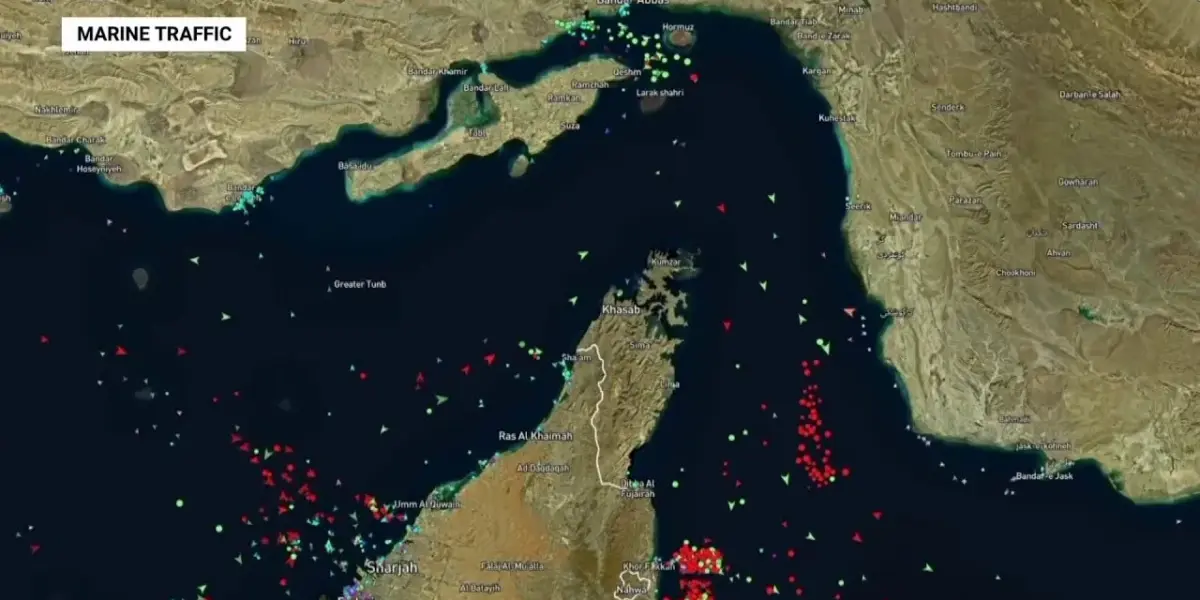
Global Shipping Halts in Strait of Hormuz, US Gas Prices Spike
The ongoing conflict in Iraq has triggered a significant economic ripple effect, most notably a sharp increase in gasoline prices across the United States. Overnight, the average cost for a gallon of gas jumped by $0.09, now standing at approximately $3.20. This represents a rise of over $0.30 compared to last month, a trend directly linked to disruptions in the vital Strait of Hormuz, a key chokepoint for global oil transportation.
Navigational Gridlock in a Critical Waterway
A time-lapse video illustrating traffic in the Strait of Hormuz reveals a stark reality: a significant portion of cargo ships are at a standstill, with only a trickle of vessels managing to get through. This dramatic reduction in shipping activity is estimated to be around 90% lower than the previous week. The implications are immediate and severe, as the restricted flow of crude oil tightens global supply, inevitably pushing up prices. This surge in crude prices directly translates to higher costs at the pump for consumers.
Record Price Increases and Inflation Fears
The current spike in gas prices is not merely a minor fluctuation. Charles Schwab reports that the recent increase represents a jump of approximately 7% over the past two days, marking the most significant surge observed in 21 years. This rapid escalation is a cause for concern, particularly for the Trump administration, as lower gas prices have been a rare bright spot in the nation’s economic performance this year. Analysts warn that if these elevated energy prices persist, they could begin to fuel broader inflation, potentially impacting various sectors of the economy.
Scrutiny on Prediction Markets Amidst Geopolitical Tensions
In parallel with the economic fallout, renewed scrutiny is being placed on prediction markets, platforms where individuals can bet on future events. Reports from The New York Times and other outlets highlight unusual activity surrounding predictions related to the conflict in Iran, including the potential for U.S. strikes and the future of Iranian leadership. One of the largest platforms, Polymarket, has reportedly seen over $500 million in trades concerning a potential U.S. strike on Iran since the end of last year. This surge in betting activity has raised questions about the possibility of insider trading, particularly in light of reports suggesting a significant influx of large bets predicting a strike just hours before it occurred.
Broader Implications and Future Outlook
The confluence of geopolitical instability in the Middle East and its tangible economic consequences in the United States underscores the interconnectedness of global affairs. The disruptions in the Strait of Hormuz serve as a potent reminder of the vulnerability of energy markets to regional conflicts. The sustained impact on gas prices could have far-reaching effects, influencing consumer spending, business costs, and overall inflation. As the situation in the Strait of Hormuz continues to evolve, and scrutiny on prediction markets intensifies, attention will remain fixed on how these factors will shape the global economic landscape and domestic energy prices in the coming weeks and months.
Source: Shipping slows through Strait of Hormuz, impacting gas prices (YouTube)

Related Articles


US Escalates Iran War: Sub Sinks Ship, Fears Grow
The U.S. military has escalated its campaign against Iran, launching a historic torpedo strike from a submarine and sinking over 20 enemy vessels. As fears of a wider conflict grow, the Pentagon is accelerating operations, while Washington grapples with a Senate vote against further strikes and shifting public opinion.

War Costs Explode: Nobel Laureate Questions Value
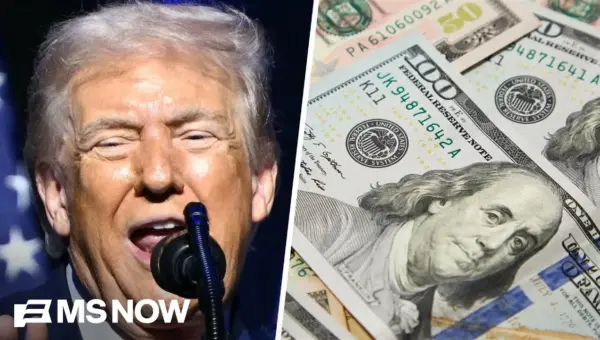
Nobel laureate Paul Krugman decries the exorbitant costs of modern warfare, particularly in the Middle East, highlighting how billions spent on conflict could instead fund critical social programs like child healthcare and food assistance. He questions the economic justification for wars when domestic needs remain unmet and oil prices surge due to geopolitical instability.
Strait of Hormuz Blockade Threatens Global Economy Amid Iran Tensions
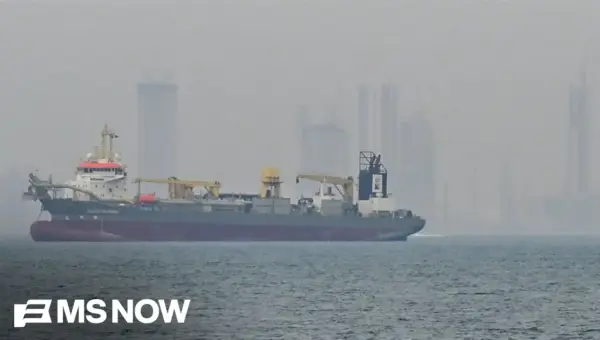
The Strait of Hormuz faces a critical blockade, paralyzing global oil routes and sending energy prices soaring. The UAE is increasingly frustrated by Iranian strikes, considering retaliatory action. Meanwhile, conflicting accounts emerge regarding the justification for U.S. military actions against Iran.