Strait of Hormuz Reopens Amid Ceasefire Collapse Concerns
A fragile two-week ceasefire proposal has reportedly collapsed, leading to renewed fighting and the re-blocking of the vital Strait of Hormuz by Iran. International diplomatic efforts are underway, but analysts express skepticism given the divergent aims of the U.S. and Israel and the persistent anxiety among Iranians. The situation remains volatile, with significant implications for global oil markets and regional stability.


Ceasefire Falters as Strait of Hormuz Faces New Blockade
Reports indicate that a fragile two-week ceasefire proposal aimed at reducing regional conflict has collapsed, just as fighting intensified. The critical Strait of Hormuz, a vital global oil shipping route, has reportedly been re-blocked by Iran, sparking concerns about economic stability. This development follows days of heavy fighting, including significant Israeli strikes in Lebanon and retaliatory Iranian attacks on Tel Aviv, undermining hopes for a peaceful resolution.
Conflicting Reports and International Diplomacy
Initial reports suggested an uptick in vessel traffic through the Strait of Hormuz, with markets reacting positively to the possibility of oil flow resuming. However, these positive signs appear to have been short-lived. Caroline Leavitt, speaking at a briefing, indicated the possibility of vessels passing, but subsequent events suggest Iran has reasserted control, hindering maritime traffic.
The Pakistani Prime Minister, Shahbaz Sharif, had previously stated that the ceasefire meant an end to fighting across the region, including in Lebanon and responses into Israel and Gulf countries. However, Lebanon experienced one of its deadliest days of the conflict, with the Israeli Defense Forces (IDF) reporting over 100 targets struck in Lebanon within ten minutes. Images emerging from Beirut and southern Lebanon show immense destruction. Iran has also reportedly retaliated with strikes targeting Tel Aviv, signaling a significant breakdown of the ceasefire agreement.
Iranian Foreign Minister stated that the U.S. must choose between a ceasefire or continued war via Israel, emphasizing that the world is witnessing the events in Lebanon and placing the responsibility on the U.S. to act on commitments. Meanwhile, potential talks are scheduled for this weekend in Pakistan, with U.S. officials including Vice President J.D. Vance, Steve Wyckoff, and Jared Kushner expected to attend.
Expert Analysis on Ceasefire Fragility
David Ignatius, a foreign affairs columnist, described the ceasefire as “fragile” from the moment it was announced. He noted that while it might be too early to declare it a complete collapse, the current situation highlights divergent aims between the United States and Israel. Israel appears intent on continuing its campaign in Lebanon, while the U.S. seeks to reopen the Strait and end the conflict.
Tensions between the U.S. and Israel regarding the ceasefire’s structure were reportedly present, and these are expected to persist. Despite these challenges, international momentum behind the ceasefire, with involvement from China, Pakistan, Turkey, Saudi Arabia, Egypt, and the UAE, offers some hope for getting the process back on track. However, if traffic is not moving through the Strait, a key demand, President Trump may react negatively, feeling that Iran has broken its word, mirroring Iran’s claims that the U.S. has violated agreed-upon terms, which were notably vague.
Iranian Perspective and Public Anxiety
Jason Rezayan, a journalist with experience covering Iran, described the prevailing anxiety among Iranians, both inside and outside the country. This anxiety stems not only from the recent conflict but also from the past 47 years, and particularly from the large-scale protests earlier this year. Many Iranians feel that their rights, future, and freedom are not being addressed in the current ceasefire proposals.
There is a concern that even with a potential short-term respite from bombing, the underlying issues remain unresolved. If the U.S. withdraws without a significant change in the Iranian regime, which has been in power for 47 years with the same ideological system, the future for the Iranian people could become more difficult. The war’s impact on their future is seen as almost certainly negative.
Military Perspective on Strategic Victory
Lieutenant Colonel Worth Parker, a retired U.S. Marine Corps officer, expressed frustration with the disconnect between tactical successes and strategic outcomes. He noted that while the U.S. military is highly capable of executing tactical tasks, the failure to achieve strategic victories, such as ensuring stable leadership or avoiding costly trade routes like the $2 million per ship tax through the Strait of Hormuz, is problematic.
Parker views the two-week pause with cynicism regarding its political motivations but acknowledges that any opportunity to de-escalate violence is positive. He believes that if the pause does not achieve its ultimate goals or allows Iran to strengthen, it will be a failure. However, he maintains that stopping the fighting is always a worthwhile endeavor.
Looking Ahead: Diplomacy and Continued Uncertainty
The coming days will be critical in determining the fate of the ceasefire and the broader regional stability. All eyes will be on the diplomatic efforts in Pakistan and whether international pressure can compel all parties to adhere to a cessation of hostilities. The ability to reopen the Strait of Hormuz and ensure the free flow of oil remains a key indicator of progress, with significant implications for the global economy. The ongoing conflict and the differing objectives of key international players suggest that a lasting peace remains a distant prospect.
Source: Leavitt: Reports that Strait of Hormuz is closed are 'false' (YouTube)

Related Articles


US, Iran Hold High-Stakes Peace Talks Amid Tensions
Vice President J.D. Vance led U.S. negotiations with Iran in Pakistan, seeking to de-escalate tensions amid ceasefire violations and threats of military action. The talks face significant hurdles, including Iran's demands for a Lebanon ceasefire and asset release, and the critical closure of the Strait of Hormuz. The conflict's economic impact is evident in rising inflation and falling consumer confidence.

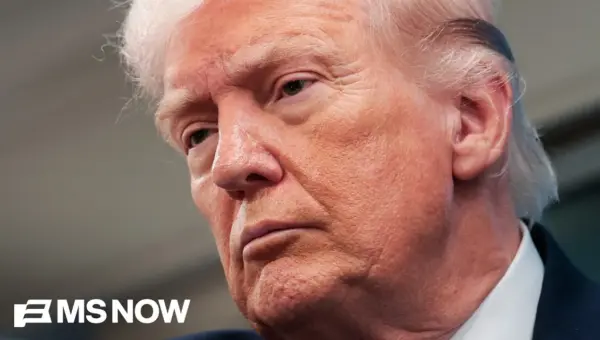
Trump’s Iran War Sparks Global Economic Crisis, Fuel Shortages
Donald Trump's war with Iran has triggered a global economic crisis, marked by surging inflation, gas price hikes, and potential jet fuel shortages. Iran's control over the vital Strait of Hormuz has become a key economic and geopolitical advantage, complicating U.S. objectives and impacting international stability.
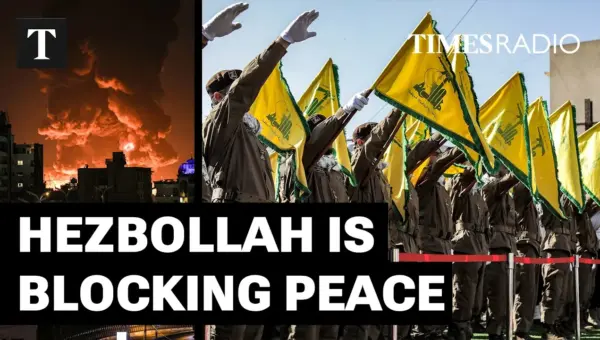
Israel Blames Hezbollah for Ceasefire Blockade
Israel identifies Hezbollah as the sole obstacle to a ceasefire amidst ongoing strikes in Lebanon that have claimed hundreds of lives. Diplomatic efforts are underway, with Lebanon seeking a truce for peace talks, while Israel vows to continue its operations against Hezbollah.