Strait of Hormuz Open, White House Asserts Amid Conflicting Reports
The White House has refuted claims by Iranian state media that the Strait of Hormuz has been closed, stating that traffic has actually increased. This assertion comes amid conflicting reports and ongoing mediation efforts involving Pakistan. The situation has a significant impact on global oil prices, with a recent ceasefire announcement already leading to a notable drop.

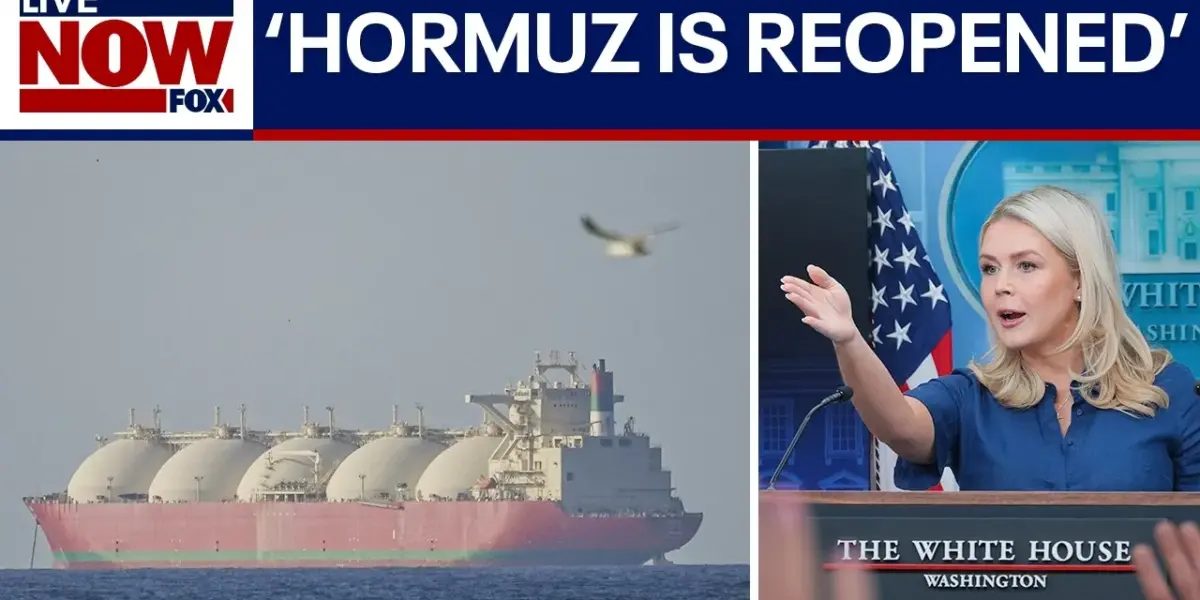
White House Denies Iran Closed Key Shipping Lane Amid Regional Tensions
The White House has strongly refuted claims by Iranian state media that the Strait of Hormuz has been closed. White House Press Secretary Caroline Levit stated that reports of a closure are false and unacceptable, asserting that traffic in the vital waterway has actually increased. This statement comes amidst conflicting information regarding a potential ceasefire and ongoing military actions in the Middle East.
Conflicting Narratives Emerge on Strait of Hormuz Status
Iranian state media reported that Iran had closed the Strait of Hormuz in response to Israeli attacks on Lebanon. However, the White House pushed back forcefully, with President Biden being briefed on the situation. “What they’re saying publicly is different privately,” Levit stated, emphasizing that the administration has seen an increase in traffic through the strait. The President’s expectation is clear: the Strait of Hormuz must be reopened immediately, quickly, and safely.
Ceasefire Efforts Face Uncertainty and Back-and-Forth Claims
The situation is described as tenuous, with ongoing strikes occurring even within Iran, possibly by Israel. State media in Iran has used the situation in Lebanon to link a ceasefire to the status of the Strait of Hormuz. However, the White House maintains that the situation in Lebanon does not impact the demand for the strait’s reopening. This creates strain on ongoing negotiations, which may be happening indirectly through mediators like Pakistan.
Pakistan’s Pivotal Role in Mediation Efforts
Pakistan has emerged as a key mediator in the complex negotiations between the US and Iran. Its unique position, sharing a border with Iran and having strong economic ties, makes it a valuable player. Furthermore, Pakistan’s deep coordination with Saudi Arabia and other Gulf Cooperation Council (GCC) countries allows it to engage with a wider regional network. During the Trump administration, US-Pakistani relations were strong, fostering trust that enables Pakistan to act as an honest broker.
“Pakistan is a fresh set in ways and ability to conduct negotiations. Obviously, Pakistan shares a border with Iran and shares a lot of economic integration as well.”
Economic Impact: Oil Prices and Market Reactions
The mere announcement of a ceasefire has already led to a significant drop in oil prices, offering relief to consumers. While the United States is not heavily reliant on the Strait of Hormuz for its own oil supply, global geopolitical tensions affect oil prices as a global commodity. Countries worldwide are expected to pressure Iran to keep the strait open to avoid further economic damage. The drop in oil prices is likely to translate into lower gas prices for Americans.
Ongoing Conflict in Lebanon and Broader Regional Implications
The ceasefire does not fully cover conflicts involving groups like Hezbollah. Israel has continued strikes against Hezbollah in Lebanon, including a significant ground invasion in southern Lebanon with the objective of reaching the Litani River. Both President Biden and Israeli Prime Minister Netanyahu reportedly disagree with Iran’s stance on incorporating Lebanon and Hezbollah into the broader ceasefire discussions. This disagreement could become a major issue in ongoing negotiations.
GCC Countries’ Potential Military Involvement
Intelligence suggests that UAE and Saudi Arabia may be taking a more aggressive stance against Iran. While not necessarily direct military strikes, there are reports indicating a potential for retaliation due to Iran’s actions against civilian infrastructure. The involvement of GCC countries militarily is a key development to watch in the coming days.
What to Watch Next
All eyes remain on the Strait of Hormuz and the ongoing diplomatic efforts. The effectiveness of Pakistan’s mediation, the US response to any potential Iranian escalations, and the possibility of increased military involvement from GCC nations will be critical factors to monitor. The situation remains fluid, with potential implications for regional stability and global energy markets.
Source: White House says Strait of Hormuz is open (YouTube)

Related Articles


Artemis II Crew Faces Risky Reentry: Heat Shield Concerns Loom
The Artemis II astronauts are preparing for a critical reentry into Earth's atmosphere, facing concerns over the heat shield's performance. Meanwhile, global markets are reacting to a significant inflation surge linked to Iran tensions, and a new lawsuit alleges an energy drink's high caffeine content led to a teen's death.
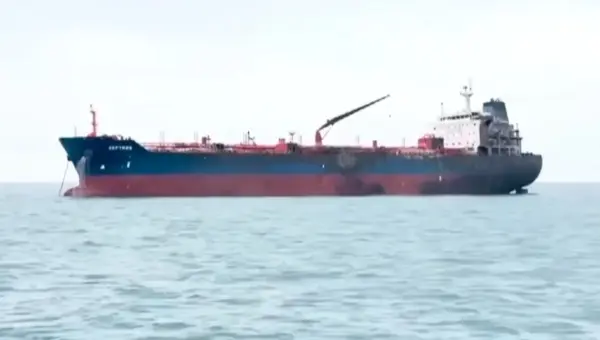
Hormuz Strait Blockade Will End Soon, US Predicts
White House advisor Kevin Hassett predicts the Strait of Hormuz will reopen within two months, easing global oil transport. He anticipates economic benefits and lower energy prices once the waterway is clear. Current data shows significantly reduced ship traffic.

Ukraine Shoots Iranian Drones in Middle East: A Bold New Strategy
Ukrainian forces are now shooting down Iranian drones in the Middle East as part of a security exchange. President Zelensky revealed this strategy, which aims to secure aid and resources for Ukraine's defense. The move highlights Ukraine's active role in global security.