Strait of Hormuz Closure Threatens Global Oil, Food Supplies
The critical Strait of Hormuz is effectively closed amid escalating conflict, threatening a third of global oil trade and global food security. Iran's strategy appears to be controlling passage, with potential selective granting of access and significant geopolitical implications.

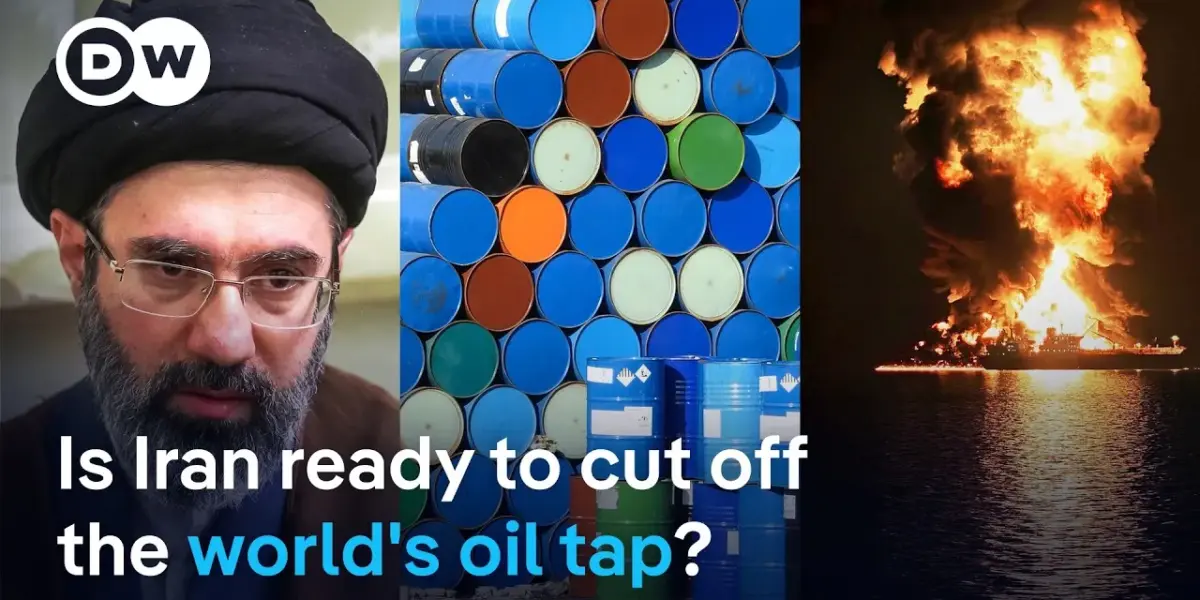
Global Energy Markets Brace for Impact as Strait of Hormuz Faces Blockade
The vital Strait of Hormuz, a narrow maritime passage between Iran and Oman that connects the Persian Gulf to the Arabian Sea and beyond, is effectively closed, triggering a significant surge in global oil prices and raising concerns about worldwide food security. Nearly a third of the world’s traded oil passes through this critical chokepoint, and the ongoing escalation of the Iran war has made passage perilous for commercial vessels, particularly oil tankers.
Iran’s Strategy: Controlling a Critical Chokepoint
According to Noam Raidan from the Washington Institute for Near East Policy, an expert in maritime security, Iran’s strategy revolves around maintaining control over traffic in the Strait of Hormuz. “The strategy here is that Iran wants to continue controlling traffic via the strait,” Raidan explained. “What’s happening right now is that the majority of commercial vessels are unable to pass through the strait.” This inability to transit means that vessels cannot load cargo or depart for global markets, leading to immediate upward pressure on energy prices and potentially other commodities.
Raidan elaborated on the implications: “It means empty vessels cannot enter to load and leave. And it also means that vessels that are already carrying cargo – be it oil or other than oil – also cannot leave the strait and go to global oil markets in Asia, in Europe and in other regions.” The expert noted that Iran appears unwilling to de-escalate, with statements suggesting a desire to dictate who passes through the strait.
US Response and Navigational Challenges
While the United States has previously threatened to take control of the waterway, Raidan deems this approach unfeasible under current circumstances. “This doesn’t seem to be possible,” he stated. “And the reason why it’s not possible for warships, specifically the US Navy, to escort commercial ships is because Iran is firing at commercial ships. And Iran most likely will become more aggressive if warships even escort commercial vessels in the Strait of Hormuz.” The situation remains complex and its unfolding trajectory is dependent on the ongoing war and Iran’s further escalations.
Disparate Impacts and Geopolitical Considerations
The closure of the Strait of Hormuz affects all actors, but Iran may eventually begin to selectively grant passage based on geopolitical affiliations. “Most likely we will not see ships that are associated with the US, UK, and Israel being given free passage or the freedom of navigation,” Raidan predicted. He suggested that vessels linked to China might receive preferential treatment due to China’s significant oil imports from Iran and the broader bilateral relationship.
This selective control over freedom of navigation is a significant concern. “Sadly, I have to say that because freedom of navigation is not granted, it should be the right of every single ship,” Raidan lamented. “But it seems that Iran will even control freedom – and already is controlling freedom of navigation – and later on will decide who is granted this freedom to pass or not.”
The Threat of Mines and Other Tactics
Reports of Iran mining the strait have surfaced, adding another layer of serious concern. While concrete evidence regarding the extent and location of any mining operations remains unclear, Raidan highlighted that Iran possesses other methods to target shipping. “They can use drones. They can use what we call unmanned surface vehicles – boats laden with explosives that would strike a ship and cause a fire or severe damage,” he explained, referencing recent attacks in southern Iraq targeting oil tankers.
The potential consequences of a mined strait are dire. “An oil tanker passing through the strait and there’s a floating mine, and the ship gets damaged, and you have an oil spill. It’s going to affect every single one, especially if it’s a major oil spill that cannot be controlled immediately,” Raidan warned. He noted that intervention would be difficult due to the ongoing conflict and Iranian threats. While the US has indicated striking Iranian mining capabilities, details remain scarce.
Broader Economic Ramifications: Beyond Oil
The impact extends far beyond crude oil. The Strait of Hormuz is crucial for the transit of oil products like jet fuel and liquefied natural gas (LNG). Approximately 45% of jet fuel originates from the Middle East, making regions like Europe particularly vulnerable. “You can imagine the impact this will have on regions like Europe that relies on the Middle East on a very critical product like jet fuel, aviation fuel, liquefied petroleum gas,” Raidan stated.
While some countries maintain strategic reserves, their duration is limited. Even coordinated releases of reserves, such as the International Energy Agency’s proposed 400 million barrels, cannot fully substitute the Middle East’s role in global energy markets. Furthermore, countries like Iraq, heavily reliant on oil revenues for their national budget (90% in Iraq’s case), face immense fiscal pressure if exports are disrupted for an extended period.
Alternative Routes: Limited Relief
The possibility of alternative routes offers only partial solutions. Saudi Arabia can reroute some crude oil to the Red Sea via a pipeline, and the UAE possesses a smaller capacity pipeline. However, these options are insufficient to compensate for the volumes typically passing through Hormuz.
“This does not mean they can reroute all the volumes that go through the strait,” Raidan emphasized. “Others will be in big trouble, and among them, Iraq. If the Strait of Hormuz is shut for a longer period, they won’t be able to export at all.” While Iraq has a pipeline to Turkey, it only transports crude from northern oil fields, leaving southern exports entirely dependent on the Strait of Hormuz.
Looking Ahead: Uncertainty and Global Stakes
The situation in the Strait of Hormuz remains fluid and fraught with uncertainty. The global community watches closely as Iran’s next moves could determine the extent of the disruption to energy and food supplies. The effectiveness of international defensive missions and diplomatic efforts to ensure freedom of navigation will be critical in mitigating the far-reaching economic and humanitarian consequences.
Source: Iran war: If Hormuz stays closed, the world will pay the price | DW News (YouTube)

Related Articles


Israel Escalates Iran Strikes, Warns of Wider War
Israel has launched significant strikes inside Iran following continued missile fire, warning of further escalation. The conflict risks wider regional instability and economic disruption, especially concerning the Strait of Hormuz.

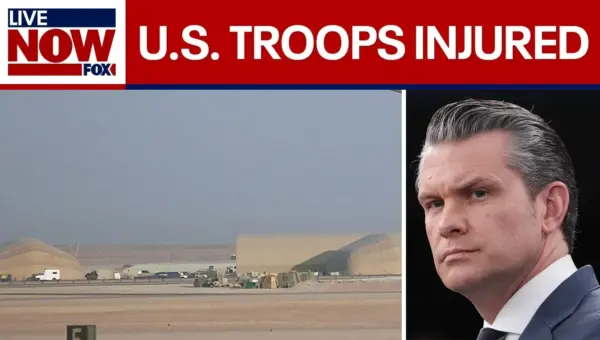
US Troops Wounded in Saudi Base Attack by Iran
An Iranian missile attack on Prince Sultan Air Base in Saudi Arabia wounded multiple U.S. service members and damaged aircraft. The incident highlights the ongoing risks in the Middle East and the limitations of air defense systems. Analysts discuss the strategic implications, economic pressures, and the isolation of Iran amidst the conflict.

Iran Tensions Send Oil Prices Soaring; Farmers Seek Relief
Escalating tensions with Iran are driving oil prices higher, while U.S. troop deployments to the Middle East increase. Meanwhile, American farmers are receiving relief from rising costs through regulatory changes and support measures, as devastating wildfires impact Nebraska's cattle industry.