Strait of Hormuz Choked: War Halts 20% of Global Oil Flow
The Strait of Hormuz, a critical global oil chokepoint, is experiencing severe disruptions due to ongoing conflict, halting 20% of the world's oil flow. Daily tanker traffic has plummeted from over 100 ships to just a few, impacting global energy supplies and causing prices to soar. Limited alternative routes and security threats complicate efforts to resolve the crisis.

Hormuz Strait Becomes Bottleneck as War Disrupts Oil Shipments
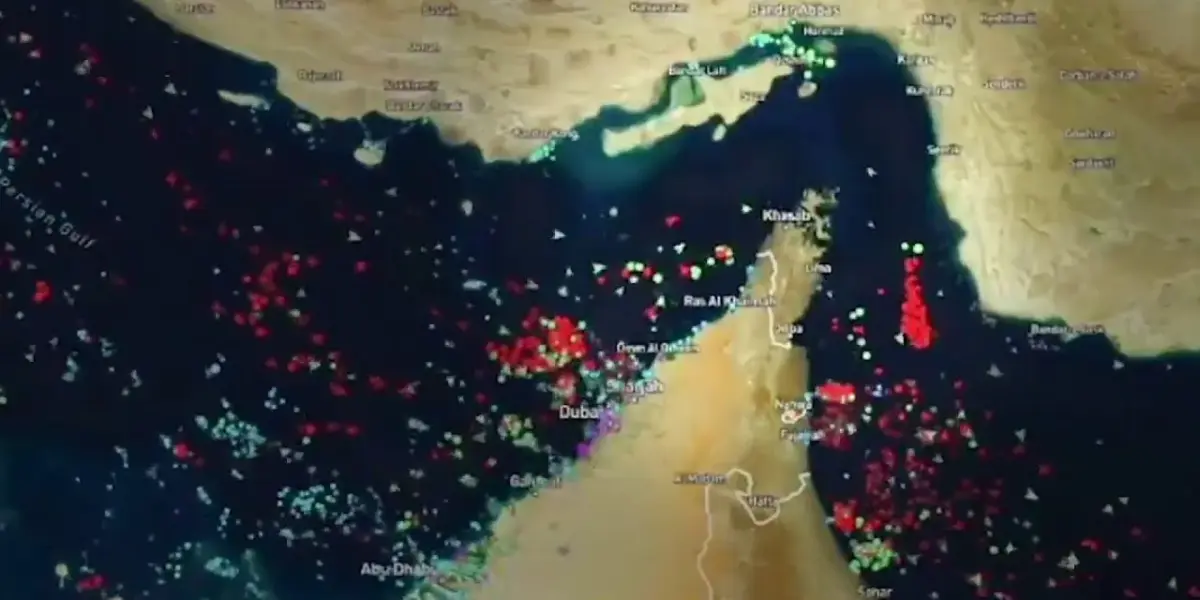
The vital Strait of Hormuz, a critical waterway for global energy supplies, has become a major bottleneck due to ongoing conflict. What was once a bustling superhighway for oil tankers is now largely idle, severely disrupting the flow of energy and other goods worldwide. Data and analytics firm Kepler tracks ship movements and reports a dramatic drop in traffic through the strait.
Dramatic Drop in Oil Tanker Traffic
Normally, over a hundred oil tankers pass through the Strait of Hormuz each day. However, in recent weeks, the number has plummeted. Some days, only one, two, or three ships are seen navigating the waterway, a stark contrast to the usual volume. This reduction means that a significant portion of the world’s oil supply is being held up.
Billions of Barrels Affected Daily
Before the current disruptions, approximately 20 million barrels of oil flowed through the Strait of Hormuz daily. This figure represented about 20% of the world’s total oil exports. Now, that flow has been reduced to a mere trickle of around one million barrels per day. Most of the oil still moving through the strait is reportedly from Iranian tankers, primarily destined for China.
Impact on Global Markets and Prices
The closure of this crucial shipping lane has had a massive ripple effect across global markets and commodities. With ships unable to move, oil and gas prices have surged. Diesel prices, in particular, have seen a significant increase of over $1.50 per gallon since the conflict began. This rise in fuel costs directly impacts the price of goods, as many trucks rely on diesel for transportation. “A lot of these trucks are moving around on diesel,” explained one analyst. “And so the cost of our goods is going to go up.”
Limited Alternative Routes and Government Responses
While there are alternative pipelines in the region, they cannot handle the volume of oil that typically passes through the strait. For example, the East-West pipeline has a capacity of 7 million barrels per day, but it cannot load that much oil in a single day. In response to the crisis, governments are taking steps to stabilize the situation. The Trump administration has offered insurance guarantees and proposed naval escorts for ships. Countries are also tapping into their emergency oil reserves to mitigate the impact of the shortages. Additionally, some sanctions on Russian and Iranian oil have been temporarily lifted.
Attacks and Security Concerns
The situation is further complicated by direct attacks on vessels. Kepler’s team has documented 18 confirmed attacks on ships in the Strait of Hormuz this month alone. These attacks, often involving missiles or drone strikes originating from Iran, pose a significant threat and deter vessels from transiting the area. The risk of these strikes makes it challenging to ensure safe passage for oil tankers.
Economic Repercussions and Future Outlook
The economic consequences of this disruption are far-reaching. As prices skyrocket, consumers face higher costs for fuel and goods. Governments are scrambling to find solutions, but the options are limited. Even with positive news about negotiations, the process of normalizing the situation will take time. “It may take a couple of months for this traffic to get sorted out, for this production to be increased, for these refineries to ramp back up and get fixed again,” noted one observer. The global economy is likely to face continued volatility in the coming months.
Conclusion: A Rocky Road Ahead
The ongoing conflict and its impact on the Strait of Hormuz have created a significant challenge for global energy security and the world economy. The reduction in oil flow, coupled with rising prices and security concerns, paints a picture of continued economic uncertainty. As the situation evolves, monitoring the Strait of Hormuz and the effectiveness of diplomatic and economic responses will be crucial in determining the path forward.
Source: A closer look at shipping traffic through the Strait of Hormuz with Gulf oil exports slowed by war (YouTube)

Related Articles

Stocks Ignore War Risks, Focus on “Taco Moments”
Stock markets appear to be overlooking the severe supply chain risks stemming from the Iran conflict, focusing instead on potential diplomatic de-escalations. While the S&P 500 shows resilience, bond and commodity markets signal deep concern over disruptions to critical resources like LNG, helium, and fertilizers.


U.S. Iran Tensions Rise Amid Shifting Alliances
Rising tensions between the U.S. and Iran are creating a volatile geopolitical situation. With conflicting signals on de-escalation and potential shifts in alliances like NATO and U.S.-Israel relations, the path forward remains uncertain. The global economy and regional stability hang in the balance.


Iran Targets US With Cyberattacks, Escalating Digital Warfare
Iran is increasingly using cyberattacks to challenge the U.S., as seen in a recent hack of the FBI director's account. Experts say this is a strategic shift due to Iran's limitations in conventional warfare. The U.S. needs to strengthen its digital defenses, focusing on encryption and cloud computing, rather than solely relying on traditional security measures.