Strait of Hormuz Blockade to Last Months, Shipping Expert Warns
Shipping in the Strait of Hormuz remains severely disrupted despite a ceasefire, with an expert warning it could take months to clear. Iran has implemented an informal toll system, demanding payments from vessels transiting the vital waterway. Around 20,000 crew members are stranded as security risks prevent normal operations.

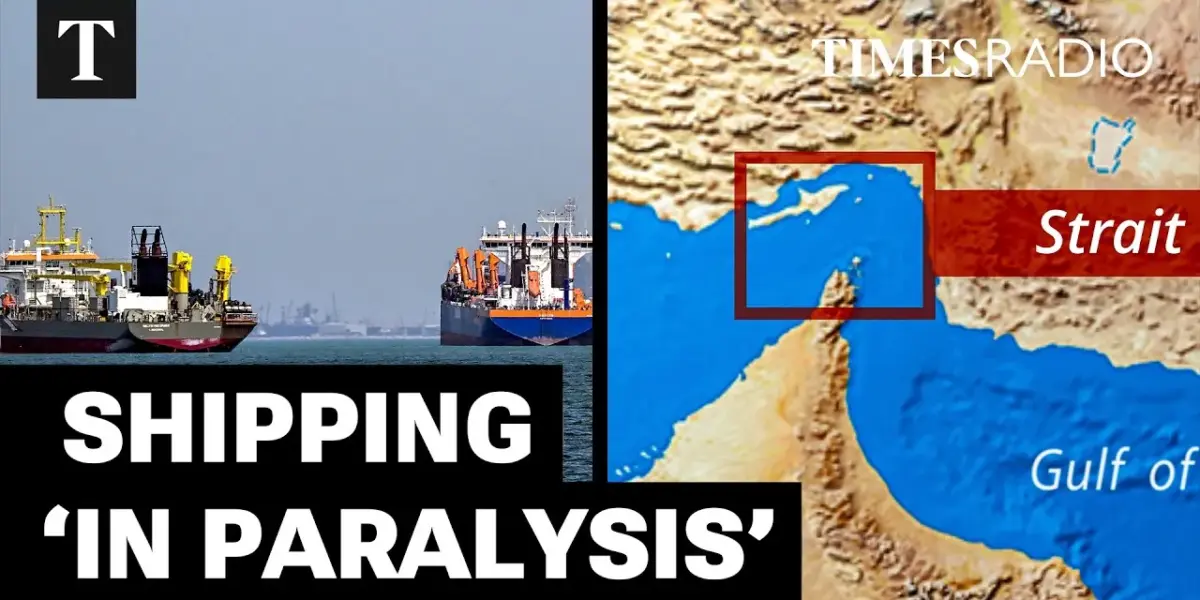
Hormuz Shipping Near Standstill Despite Ceasefire
The vital Strait of Hormuz remains largely closed to shipping, even after a ceasefire between the US and Iran took effect on Tuesday. Only a small number of ships have managed to pass through the critical waterway. Iran continues to threaten ships that try to enter without permission, demanding a toll system. This situation creates significant uncertainty for global shipping and trade.
Expert Insight: Iran Controls Key Global Trade Route
Richard Meade, editor-in-chief of Lloyd’s List, a leading maritime publication, explained the current situation. Since February 28th, Iran has effectively controlled the Strait of Hormuz. This strait is normally used by about 20% of the world’s energy exports. Most ships have stopped moving because of the high security risks.
However, Iranian ships and those belonging to a ‘shadow fleet’ continue to move. These vessels carry sanctioned Iranian crude oil. Additionally, ships with ties to countries that have made diplomatic deals with Iran, such as India, Pakistan, and Malaysia, have been able to pass through without paying direct fees.
The ‘Tehran Toll Booth’ System
For other ships, Iran has implemented an informal toll system. Vessels are reportedly asked to pay around $100 per barrel of oil. This could amount to roughly $2 million for a large tanker. Payments are requested in cryptocurrency or settled in Chinese yuan. These funds are channeled through the Iranian Revolutionary Guard Corps (IRGC), with money ultimately going to Iran.
Sailors Stranded Amidst Uncertainty
Around 600 large cargo vessels, over 10,000 deadweight tons, are currently trapped in the Persian Gulf. This includes about 325 tankers. An estimated 20,000 crew members are stuck on these ships. While supplies are being brought aboard by smaller vessels, this is sporadic and dangerous. Ship owners and crews are waiting for a clear signal to resume operations.
Some optimism exists that owners might prepare to move ships, based on perceived positive developments. However, as of this morning, very little cargo not belonging to Iran is moving through the strait. This situation has not changed.
Economic Impact: Short-Term Gains, Long-Term Damage
Surprisingly, the disruption has had a mixed effect on shipping companies. Shipping rates have remained relatively high, partly due to ongoing disruptions since the COVID-19 pandemic. This means earnings for shipping companies have been good in the short term. Meade noted that this is not good news for the broader economy, as it leads to reduced demand and long-term damage.
He does not expect widespread bankruptcies among shipping companies in the immediate future. The main concern is the escalating long-term economic damage and the extended period it will take to resolve the situation once ships can move again.
Diplomatic Efforts Face Hurdles
Fourteen nations, including Britain, are discussing the issue. However, Meade stated it is difficult to see a direct impact from these talks. The data shows that ships are still not moving freely, unless they pay Iran or have direct diplomatic agreements.
Shipping has entered a state of paralysis. Even if the ceasefire holds and is extended, two weeks is not enough time to clear the backlog of ships. Meade estimates that it would take between two to four weeks just to get ships moving again after an agreement. This does not include the time needed for mine-sweeping, security measures, and naval overwatch. Refineries would also need to restart.
The Dangerous Precedent of Tolls
Meade warned that allowing Iran to continue charging tolls for passage sets a dangerous and unacceptable precedent. Currently, Iran lacks any legal basis to impose these fees. There’s no historical precedent for such a system. The existing traffic separation scheme for ships was agreed upon by Iran and Oman back in 1968.
Industry professionals need a political agreement, security assurances, and a clear system for ships to start moving again. They need certainty that they will not be targeted by missiles.
Security and Insurance Considerations
The idea of naval escorts has been discussed. While possible, a convoy system with 5 to 10 vessels would only allow a fraction of the normal traffic through. Before the conflict, 120 to 150 vessels passed daily. An escort system would move less than 10% of that number.
What is needed is a ceasefire with a sustained lack of attacks, along with aerial or naval support. The focus must be on ensuring ships are not targeted. Over 23 ships have reportedly been hit during this conflict. The issue is not a lack of insurance, as war risk premiums were available. The primary concern for ship owners is basic security and safety, not the cost of insurance.
Clearing the Strait Will Take Months
Meade estimates that it will take months, not weeks, to fully clear the backlog and restore normal operations in the Strait of Hormuz. This includes getting ballasted tankers in and restarting refineries, processes that cannot happen quickly.
Source: Strait Of Hormuz Will Take ‘Months’ To Clear Warns Shipping Expert (YouTube)

Related Articles

Trump Criticizes Iran as Oil Deal Hits Snags
President Trump has criticized Iran's handling of oil shipments through the Strait of Hormuz, adding uncertainty to a fragile deal. Despite geopolitical tensions, markets have shown resilience, but concerns linger over potential inflation and economic growth.


Oil Prices Surge 30% Amid Iran Ceasefire Uncertainty
Oil prices have surged over 30% as a fragile ceasefire between the U.S. and Iran fails to calm markets. Disruptions in the Strait of Hormuz and reduced Saudi production are driving up costs for energy, shipping, and potentially inflation, with significant economic consequences expected.


Congress Must Curb Trump’s War Powers Now
Concerns are mounting over President Trump's actions regarding Iran, prompting calls for Congress to reclaim its constitutional war powers. Senator Schumer is forcing a vote to highlight this issue, putting Republicans in a tough spot during an election year. This debate is crucial for maintaining the balance of power in U.S. foreign policy.