Strait of Hormuz Blockade Threatens Global Oil Trade
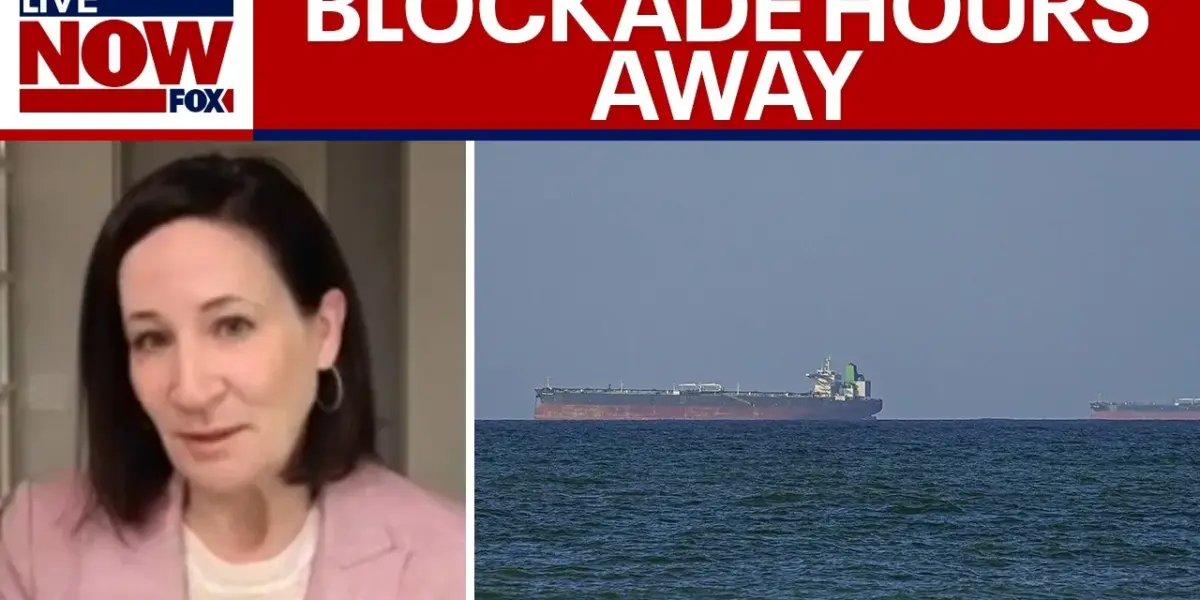
A potential naval blockade in the Strait of Hormuz is poised to disrupt global oil trade, driving up gas prices and threatening a humanitarian crisis. Geopolitical analyst Michelle Brohard warns that escalating tensions could lead to prolonged fuel shortages worldwide, with limited alternatives available.

Strait of Hormuz Blockade Threatens Global Oil Trade
The vital Strait of Hormuz, a critical chokepoint for global oil shipments, faces potential disruption as the United States moves to establish naval blockades. This escalating tension in the Middle East is already impacting prices at the pump and could trigger a wider humanitarian crisis if not resolved quickly.
Rising Gas Prices and Global Impact
Average gas prices in the U.S. have surged past $4 a gallon, with experts warning that the trend is likely to continue upward. Michelle Brohard, a geopolitics analyst, explained that any interruption to the flow of oil through the Strait of Hormuz will put increasing pressure on prices for gasoline, jet fuel, diesel, and even fertilizer.
“Everything is going to just continue to rise higher until we have a resolution to this war,” Brohard stated. The blockade could prevent ships from exiting the strait, exacerbating a situation that had already seen a significant drop in daily shipments compared to pre-conflict levels.
Blockade’s Effect on Global Oil Trade
While the administration’s goal may be to prevent Iran from controlling the strait, Brohard expressed skepticism about the effectiveness of a blockade. She believes it is more likely to hinder trade for an extended period. Iran views control of the Strait of Hormuz as its strongest leverage, and is unlikely to relinquish it easily.
The consequences are already being felt globally. Nations in Europe, Asia, and Africa are reporting fuel shortages, raising concerns about a potential humanitarian crisis. Brohard highlighted Tanzania’s critical situation, with only 15 days of fuel supply remaining. Even if the strait were to reopen immediately, it would take approximately 25 days for fuel to reach such nations.
Countries Facing Fuel Shortages
- Tanzania
- Indonesia
- Thailand
- Australia
Many of these countries are heavily reliant on fuel imports, making them particularly vulnerable to supply disruptions. In response to rising costs, some European countries, including Poland, Hungary, and parts of Germany, have implemented price caps on fuel. However, Brohard cautioned that price caps can be counterproductive during shortages.
“Price caps are fine when there is an oversupply of fuels,” she explained. “But price caps when there’s a shortage of fuels prevent margins from being strong.” If the capped price is significantly lower than the market price, producers have little incentive to supply the fuel, leading to further shortages and impacting refinery margins.
Potential for Escalation: The Bab el-Mandeb Strait
Adding another layer of complexity, Iran could potentially retaliate by directing its Houthi allies to disrupt the Bab el-Mandeb strait. This narrow passage links the Red Sea to the Gulf of Aden and handles about 12% of global oil traffic. The Houthis, seen as an extension of the Iranian regime, have recently signaled their intent to strike ships in the Red Sea if Iran is attacked.
This could impact Saudi oil exports, which often use Red Sea ports. The closure of the Bab el-Mandeb strait, a move the U.S. previously had to intervene militarily to prevent, remains a significant threat to global trade routes.
Limited Alternatives for Oil Supply
The idea of replacing the millions of barrels of oil that transit the Strait of Hormuz daily with alternatives, such as increased U.S. production, is not a viable short-term solution. Brohard emphasized that the U.S. already exports its production, and simply redirecting it would mean other countries go without.
“There’s no way to replace 12 million barrels a day of oil,” she stated. “The U.S. can’t… It would take the U.S. 12 years, right? I mean, we can maybe produce an extra million barrels a day of oil every year.” The U.S. is the world’s largest oil producer, but it does not have surplus oil readily available to cover such a massive shortfall.
The situation is likened to a game of musical chairs, where there are only a limited number of seats available. The primary alternative to resolving supply issues is to reduce demand, which typically happens when prices become prohibitively high. Policy measures and market forces are currently working to curb demand.
Why U.S. Prices Rise Despite Domestic Production
Americans are experiencing higher gas prices even though the U.S. is a major oil producer because the U.S. is tied to the global market. If oil can fetch a higher price internationally, U.S. producers will export it. This forces domestic prices to rise as well to keep oil within the country.
Brohard explained, “If we have a barrel of oil here in the United States and it’s $100 a barrel here, but we can get $130 a barrel for it in France, the U.S. is going to send their oil to France.” To retain oil domestically, the U.S. would have to bid higher, driving up prices for American consumers. Blocking exports would damage U.S. reliability among allies, leaving consumers to face higher prices alongside the rest of the world.
Outlook for Gas Prices
The outlook for gas prices remains bleak in the short to medium term. Brohard predicts that prices will likely continue to rise and remain elevated through the end of the year and well into next year. The resolution of the conflict and the reopening of critical shipping lanes are seen as the only paths to significant price relief.
Source: Strait of Hormuz blockade just hours away (YouTube)

Related Articles
Trump Threatens 50% Tariffs on China Over Iran Support
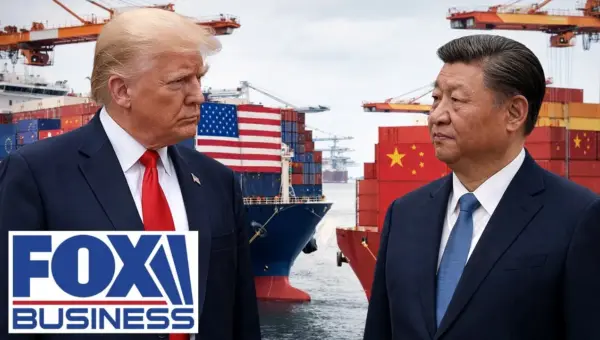
Former President Donald Trump has issued a stark warning to China, threatening a 50% tariff if Beijing supplies military equipment to Iran. The interview also highlighted U.S. energy dominance and criticized NATO allies for their perceived lack of support.
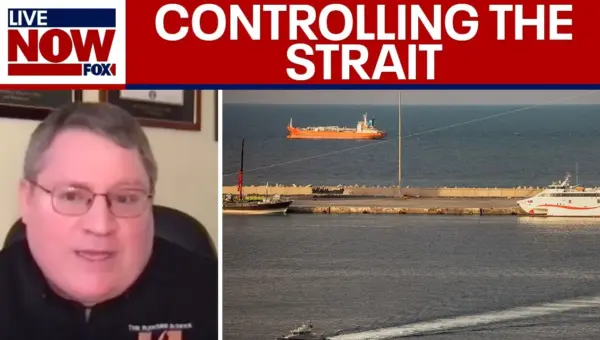
US Navy Blockades Strait of Hormuz Amid Global Tensions
The US Navy has initiated a blockade of the Strait of Hormuz, a vital global shipping lane, in response to Iran's actions. This move is already impacting global oil prices and prompting international coalitions to form for maritime security. The situation remains tense, with a focus on diplomatic solutions and ensuring freedom of navigation.

Polls Show Americans Concerned Over Iran War, Trump Approval Dips
New polls show growing American concern over the Iran conflict and its economic impact, with President Trump's approval rating dipping. A failure to clearly communicate the rationale for U.S. involvement and ongoing issues with the Strait of Hormuz are contributing factors. The administration faces a difficult choice between withdrawal, risking regional instability, and continued engagement, which could keep gas prices high heading into the midterm elections.