Strait of Hormuz Blockade Threatens Global Economy Amid Iran Tensions
The Strait of Hormuz faces a critical blockade, paralyzing global oil routes and sending energy prices soaring. The UAE is increasingly frustrated by Iranian strikes, considering retaliatory action. Meanwhile, conflicting accounts emerge regarding the justification for U.S. military actions against Iran.


Global Economy at Risk as Hormuz Strait Faces Blockade Amid Escalating Iran Conflict
The vital Strait of Hormuz, a critical chokepoint for global oil shipments, is currently facing a significant blockade, threatening to paralyze the global economy. Approximately 200 vessels are now stranded on either side of the strait, a direct consequence of the escalating conflict involving Iran. This paralysis of key oil routes has already sent energy prices soaring, with oil increasing by 14% following vows from Iran not to allow a single drop of oil to leave the region. The situation is further exacerbated by recent attacks on commercial vessels, including a Maltese-flagged ship targeted by Iran with two missiles just kilometers from the strait, necessitating a rescue operation by the Omani Naval Force for its 24 crew members.
UAE Expresses Frustration Over Iranian Strikes, Considers Retaliation
The United Arab Emirates (UAE) has voiced significant anger and disappointment over the sustained barrage of missiles and drones fired by Iran into the country. Officials report that the UAE has experienced more drone and missile strikes on its territory than Israel has thus far. Attacks have targeted key infrastructure, including the U.S. Consul General in Dubai, and airports in Abu Dhabi and Dubai, as well as a five-star hotel, causing fear among residents and tourists. While the UAE’s missile defense systems have successfully intercepted approximately 93% of incoming threats, their patience is wearing thin. Dr. Anwar Gargash, the UAE President’s diplomatic advisor, stated that the possibility of a UAE or Gulf strike on Iran remains “on the table” as a potential option if diplomatic negotiations fail. A high-level UAE delegation recently visited Iran for discussions, with missile defense systems being a key agenda item, as concerns grow about the sufficiency of U.S.-supplied defenses against Iran’s arsenal of inexpensive but numerous drones and missiles.
Contradictory Narratives Emerge on Iran Negotiations and Strike Justification
Recent statements from U.S. officials regarding the rationale behind recent military actions against Iran have been met with skepticism and contradictory information. The administration has repeatedly cited Iran’s alleged deception and intransigence during nuclear program negotiations as a primary reason for the strikes. Specifically, a claim made by Steve Whitcoff on Fox News suggested that during an initial meeting, Iranian officials boasted about possessing enough enriched uranium to produce ten nuclear bombs. However, sources familiar with the negotiations have refuted this account, stating it never happened. Furthermore, Iran’s Deputy Foreign Minister, speaking on MSNOW, confirmed that Iran possessed enriched uranium and was willing to hand it over as part of a deal, directly contradicting the narrative of Iranian deception. This discrepancy raises significant questions about the urgency and true objectives behind the recent military actions.
Debate Over U.S. Role in Escalating Conflict with Iran
The broader implications of the escalating conflict are being felt across the region and internationally, with questions arising about the U.S. involvement and its strategic objectives. While some, like Pete Hegseth, advocate for a decisive military response, emphasizing American air superiority, critics point to historical precedents. The experience in Afghanistan and Iraq, where U.S. air dominance did not prevent insurgencies, serves as a cautionary tale. The Iranian Revolutionary Guard Corps (IRGC), deeply entrenched in Iranian society and well-armed, presents a formidable challenge that could evolve into a protracted insurgency, irrespective of advanced U.S. weaponry. The effectiveness of solely relying on military might without a clear, achievable definition of success remains a point of contention.
Israel Under Attack, Seeks Unified Stance Against ‘Empire of Evil’
Israel finds itself under simultaneous attack from both Iranian proxies and Iran itself, with sirens blaring and citizens repeatedly taking cover. The sentiment among Israelis, who have endured years of attacks from Iranian proxies and Iran, is largely in support of the U.S. and Israeli operations targeting Iran, with some expressing a desire for the job to be “finished.” When questioned about suggestions that the U.S. was drawn into the conflict by Israel, Israeli President Isaac Herzog stated, “President Trump is the leader of the free world. He doesn’t need Israel to take such decisions. He took a bold decision which is strategic, which can bring peace to the Middle East, peace to the world. And it is vital that at this moment we all unify against the empire of evil.” Despite these assurances, conflicting statements from U.S. officials have fueled confusion regarding the U.S. role. The number of casualties is rising across the region, and concerns are mounting for Americans attempting to evacuate, with buses being organized by the Israeli Ministry of Tourism to transport citizens to the Egyptian border.
Looking Ahead: Economic Fallout and Diplomatic Uncertainty
The coming days will be critical in determining the trajectory of this escalating crisis. The sustained blockade of the Strait of Hormuz poses an immediate and severe threat to the global energy supply and financial markets. The effectiveness of ongoing diplomatic efforts, or the potential for retaliatory actions by Gulf nations, will be crucial in de-escalating tensions. Observers will be closely watching for any clarification on the U.S. objectives and the long-term strategy to address Iran’s nuclear ambitions and regional destabilization, particularly in light of the conflicting narratives surrounding the justifications for recent military actions.
Source: Bottleneck at Strait of Hormuz threatens global economy as U.S.-Iran war widens (YouTube)

Related Articles
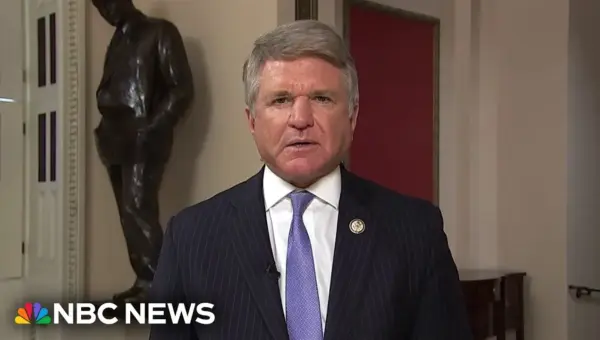
McCaul: Trump Must Explain Iran War Justification
Texas Congressman Michael McCaul is calling on President Trump to clearly explain the justification for U.S. military involvement in Iran. McCaul emphasized the need for transparency regarding the "imminent threat" and the administration's strategic objectives beyond the initial military operation.
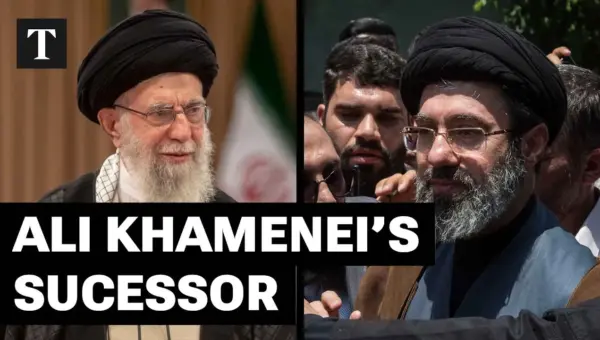
Iran’s Supreme Leader Succession: A Nation Holds Its Breath
Iran is navigating the complex and secretive succession of its Supreme Leader following Ayatollah Ali Khamenei's death. The process, complicated by wartime pressures and the IRGC's influence, is fraught with uncertainty as potential candidates emerge.


Warren: Trump’s Iran War Lacks Plan, Fuels Debt
Senator Elizabeth Warren expresses deep concern over the Trump administration's Iran strategy, citing a lack of clear rationale and a dangerous precedent for unchecked executive power. She warns of the immense financial costs and the burden on future generations.