Stop Constant Snacking for Better Health
Constant snacking throughout the day can lead to a cascade of negative health effects, including inflammation, weight gain, and insulin resistance. Learn how to break the cycle for better metabolic health.

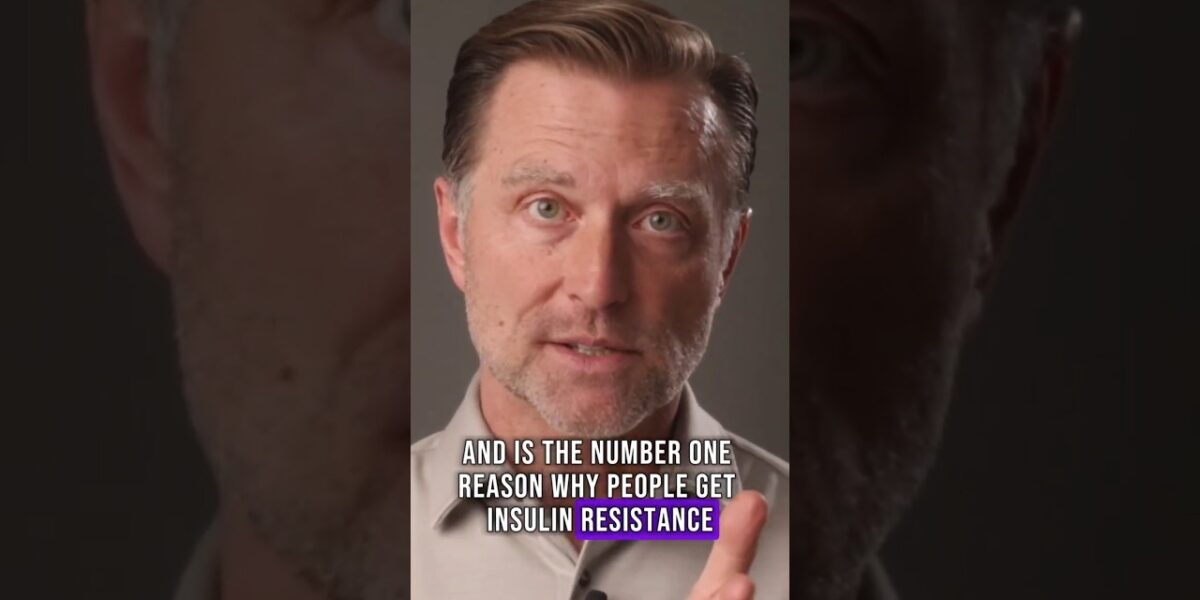
Constant Snacking: The Hidden Health Hazard
While many associate dangerous health habits with smoking, excessive sugar intake, or unhealthy junk foods, a more pervasive and often overlooked behavior may be silently undermining your well-being: constant snacking. This seemingly innocuous habit, prevalent in daily life and widely catered to by the food industry, is a primary driver of inflammation, weight gain, fatty liver disease, and insulin resistance, laying the groundwork for chronic diseases.
The Insulin Rollercoaster
The core issue with constant snacking lies in its continuous impact on insulin levels. Insulin is a hormone produced by the pancreas that helps regulate blood sugar. When you eat, particularly carbohydrates, your blood sugar rises, prompting insulin release to move that sugar from your bloodstream into your cells for energy or storage. Normally, after a meal, insulin levels return to baseline as blood sugar normalizes.
However, frequent snacking, or grazing throughout the day, prevents insulin levels from ever returning to their resting state. Each time you consume something, your body releases insulin. This constant elevation of insulin signals to your body that it should be in a storage mode, making it harder for your body to access stored fat for energy. Over time, this persistent demand on the pancreas can lead to insulin resistance, a condition where your cells become less responsive to insulin’s signal. This is a critical step in the development of type 2 diabetes and other metabolic disorders.
Inflammation and Weight Gain
The elevated insulin levels associated with constant snacking also contribute to chronic inflammation. When insulin is chronically high, it can promote inflammatory pathways in the body. Chronic inflammation is a known risk factor for a wide range of diseases, including heart disease, certain cancers, and autoimmune conditions.
Furthermore, the constant influx of calories from snacking, even if the individual items are perceived as healthy, can lead to a caloric surplus, contributing to weight gain. More importantly, the hormonal environment created by high insulin levels favors fat storage over fat burning. This can make it significantly more challenging to lose weight, even with regular exercise.
The Link to Fatty Liver Disease
Non-alcoholic fatty liver disease (NAFLD) is another serious consequence linked to habitual snacking and the resulting metabolic dysregulation. When your body is constantly producing insulin, it signals the liver to convert excess sugar and other nutrients into fat. This fat can accumulate in the liver, leading to inflammation and potential damage over time. NAFLD is becoming increasingly common globally, affecting individuals of all ages and contributing to more severe liver conditions like cirrhosis.
Breaking the Snacking Cycle
Understanding the detrimental effects of constant snacking is the first step toward change. The key recommendation is to allow your body periods of rest from food intake, enabling insulin levels to decrease and promoting metabolic flexibility.
- Focus on Balanced Meals: Ensure your main meals are satisfying and contain a good balance of protein, healthy fats, and complex carbohydrates. This will help you feel fuller for longer and reduce the urge to snack.
- Hydrate Adequately: Often, thirst can be mistaken for hunger. Drink plenty of water throughout the day. Herbal teas can also be a good option.
- Identify True Hunger: Before reaching for a snack, ask yourself if you are truly hungry or simply bored, stressed, or thirsty.
- Plan Your Eating Windows: Consider structuring your eating into defined meal times with adequate gaps in between. This doesn’t necessarily mean adopting a specific diet plan like intermittent fasting, but rather being mindful of allowing your digestive system and hormonal responses to reset.
- Choose Nutrient-Dense Snacks (If Necessary): If you find you absolutely need a snack, opt for whole, unprocessed foods that combine protein and healthy fats, such as a small handful of nuts, a hard-boiled egg, or Greek yogurt. However, the goal is to reduce the frequency, not just swap out unhealthy options for slightly healthier ones if snacking remains constant.
Who Should Pay Attention?
This information is particularly relevant for individuals who:
- Experience unexplained weight gain or difficulty losing weight.
- Have been diagnosed with or are at risk for pre-diabetes or type 2 diabetes.
- Suffer from metabolic syndrome.
- Are concerned about inflammation or fatty liver disease.
- Find themselves frequently reaching for food between meals without feeling true hunger.
Expert Insights
While the original transcript does not cite specific researchers or studies, the principles discussed align with established scientific understanding of metabolic health and hormonal regulation. Leading endocrinologists and nutrition scientists emphasize the importance of hormonal balance and the negative impact of constant food intake on insulin sensitivity and metabolic function.
Disclaimer
This article is for informational purposes only and does not constitute medical advice. Always consult with your doctor or a qualified healthcare provider before making any changes to your diet or lifestyle, especially if you have any pre-existing health conditions.
Source: The #1 MOST Dangerous Habit (YouTube)

Related Articles


Understanding Healthy Ketosis and Fasting Benefits
Explore the benefits of healthy ketosis and intermittent fasting for weight management, energy levels, and blood sugar control. Learn how these lifestyle choices can optimize your health when approached correctly. Always consult a healthcare professional before making changes.


Unraveling Hair Loss: The Scalp’s Inflammatory Cascade
New research suggests that chronic scalp muscle tension could trigger an inflammatory cascade, potentially accelerating hair loss by influencing DHT and leading to scar tissue formation. Understanding this link may offer new approaches to managing hair loss.


Unlock Better Health: The Power of Home Lighting
Discover how your home's lighting can impact your sleep, mood, and metabolism. Learn simple, actionable steps to adjust your environment for better health and well-being by embracing natural light cycles.