Stolen Phone Fuels Mandelson Appointment Fears
A stolen mobile phone linked to a former government adviser has reignited concerns about Peter Mandelson's potential appointment as US ambassador. Meanwhile, discussions touched on global tensions involving Iran and the U.S., the resilience of American democracy, and a call for increased frugality in the UK, reminiscent of wartime measures.


Stolen Phone Sparks Concerns Over Mandelson Appointment
A mobile phone belonging to Morgan McWeeny, a former special adviser and chief of staff, has reportedly been stolen, raising fears that sensitive messages related to Peter Mandelson’s potential appointment as Britain’s ambassador to the United States could be lost. The phone was allegedly taken last year, and while the data is said to be inaccessible, the incident has drawn comparisons to high-profile data leaks and has reignited debate surrounding political appointments and transparency.
Mandelson’s Shadow Looms Large in Politics
The news of the stolen phone immediately brought Peter Mandelson back into the political spotlight, a figure who consistently captures media and public attention. Journalist Libby Purves commented on the enduring fascination with Mandelson, suggesting that the political world may never truly ‘get over’ him. She recalled an anecdote about a former editor who found the intense focus on Mandelson by British journalists peculiar, especially when viewed from a broader international perspective. This enduring presence, even when no longer in formal office, highlights Mandelson’s significant influence and the public’s ongoing interest in his political dealings.
Questions Swirl Around Government Phone Use
Seb Payne, discussing the implications of the stolen phone, highlighted the common practice within government circles of using personal phones for official communications, often via messaging apps like WhatsApp. He explained that while official government phones are typically monitored and recorded for transparency and Freedom of Information requests, personal phones often bypass these systems. This raises questions about the security and accountability of communications within government. Payne also pointed out that even if the phone itself is lost, data backed up to the cloud might still exist, suggesting that the loss of the device doesn’t automatically mean the loss of its contents.
Global Tensions and Trump’s Diplomacy
The discussion shifted to international affairs, focusing on recent developments between the United States and Iran. Former President Donald Trump announced an instruction to postpone military strikes against Iranian power plants and energy infrastructure, citing ‘very good and productive conversations.’ He stated this pause would last for five days, contingent on the success of ongoing discussions. While this move was seen by some as a de-escalation, others questioned its long-term implications and Trump’s reliability in maintaining such a stance.
US Democracy Under Scrutiny
Libby Purves expressed concern over the stability and reliability of American democracy, particularly the significant personal agency afforded to the U.S. President. She argued that the system needs re-evaluation to prevent any single individual from wielding excessive power. Seb Payne echoed these sentiments, suggesting that the U.S. system, designed to limit concentrated power, may have failed in this regard with Donald Trump. He noted that the upcoming midterm elections could provide a potential check on presidential power if Republicans lose control of Congress, but questioned whether public opinion would significantly shift.
The Rules-Based Order Under Debate
The conversation turned to the importance of the international rules-based order, with reference to a forthcoming speech by Attorney General Lord Hermer. Hermer planned to defend the order, asserting that supporting international law and human rights does not conflict with maintaining a strong military for defense. Libby Purves agreed with the principle that rules and war crimes should matter but expressed skepticism about certain international agreements, like the European Convention on Human Rights, suggesting they can sometimes work against national interests, particularly in areas like immigration. She believes these conventions need careful consideration and potential reform.
A Call for Wartime Frugality
In a segment inspired by Libby Purves’s column, the discussion addressed the need for greater frugality in Britain, drawing parallels to wartime austerity. Purves cited a report from the International Energy Agency advising governments to promote energy conservation. She criticized the UK government’s apparent reluctance to encourage such measures, despite potential oil shortages. Purves advocated for a shift in mindset, suggesting that excessive energy consumption, like heating large homes unnecessarily or ordering single meals via delivery services, is a form of overindulgence. She believes a return to the self-denial practiced by previous generations during wartime could be beneficial.
Energy Policy and Public Finances
Seb Payne elaborated on the government’s delicate position regarding energy policy, caught between the International Energy Agency’s calls for conservation and its own desire to avoid triggering public panic. He recalled a past instance where a government minister’s advice on fuel storage caused widespread alarm. Payne also highlighted the financial constraints facing the government, noting that unlike the substantial energy bailouts provided after Russia’s invasion of Ukraine, current public finances are more precarious. This makes large-scale government intervention more challenging, suggesting a need for more targeted support for vulnerable households.
Source: We Need To Get Over Peter Mandelson | Libby Purves (YouTube)

Related Articles
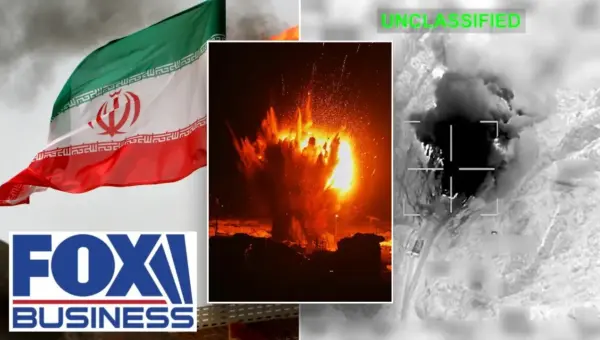
Iran Tensions Send Oil Prices Soaring; Farmers Seek Relief
Escalating tensions with Iran are driving oil prices higher, while U.S. troop deployments to the Middle East increase. Meanwhile, American farmers are receiving relief from rising costs through regulatory changes and support measures, as devastating wildfires impact Nebraska's cattle industry.
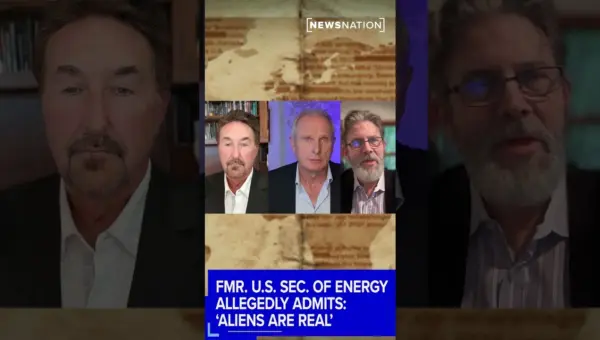
US Energy Chief’s ‘Alien’ Secret Shakes Global Trust
A former US Secretary of Energy allegedly confessed to classified briefings about extraterrestrial life, causing him immense distress. This revelation, if true, could profoundly impact global trust in government and reshape our understanding of reality.

Senate Funds DHS, Iran Tensions Ease, Doctor’s Trial Continues
The Senate has reached a deal to fund the Department of Homeland Security, aiming to alleviate airport travel woes, while tensions with Iran show signs of easing with an extended deadline. In other news, Savannah Guthrie shared her personal journey of faith and hope amidst the search for her missing mother.