Stolen IDs Fuel Luxury Car Scams by Illegal Immigrants
A Chinese national was sentenced to 30 months for using stolen identities to fund luxury car purchases for resale. This case highlights growing concerns about identity theft, financial fraud, and national security risks linked to illegal immigration.

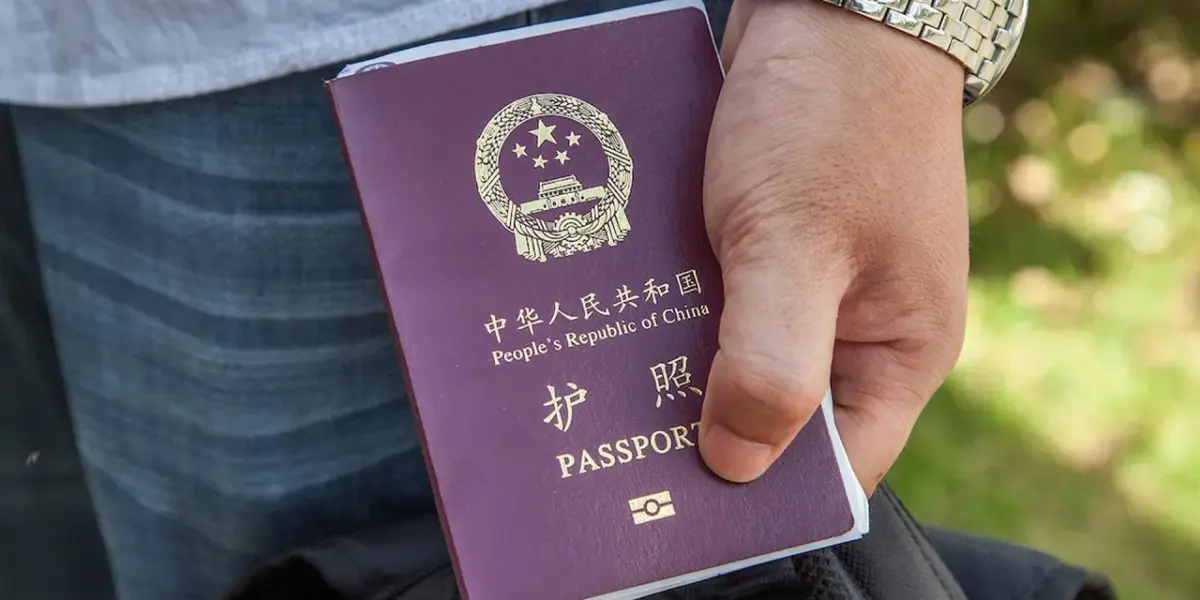
Illegal Immigrant Gets 30 Months for Luxury Car Fraud
A Chinese national, Chenua Chun, recently received a 30-month prison sentence in the United States. He was found guilty of using stolen identities to get loans for luxury cars. These cars were then resold. This case highlights a disturbing trend of identity theft and fraud linked to individuals living in the U.S. illegally.
How the Scam Worked
The scheme involved Chun and others using fake identities to apply for auto loans. They targeted banks and other lenders. Once the loans were approved, they used fake driver’s licenses. This allowed them to pose as the real people whose identities were stolen. They then bought or leased expensive vehicles from a dealership in Connecticut.
These cars, like Porsches and Maseratis, were not kept. Instead, they were quickly moved to New York. There, they were sold off. Chun, for example, managed to get over $90,000 in financing from one bank alone. This was just to buy a single Porsche Panamera. He was caught in New York while driving a Maserati that was also bought using a stolen identity.
Broader Immigration Concerns
The U.S. Attorney’s Office stated that Chun will face immigration proceedings after finishing his prison time. This means he will likely be deported. This case is not an isolated incident. It appears to be part of a larger pattern involving individuals who are in the U.S. without legal status.
Just days before Chun’s sentencing, the Department of Homeland Security announced charges against another Chinese couple. They were also in the country illegally. Their alleged crime was even more serious: plotting to detonate homemade bombs at a military base. This suggests a growing concern about national security risks associated with illegal immigration.
Why This Matters
This case is important for several reasons. First, it shows how criminals exploit the financial system. They use stolen identities to make money. This hurts both banks and the people whose identities are stolen. Second, it raises questions about border security and immigration enforcement. The fact that individuals can enter and operate criminal enterprises within the U.S. without being detected is worrying.
The ease with which stolen identities can be used to obtain high-value goods like luxury cars is alarming. It points to potential weaknesses in identity verification processes used by lenders and dealerships. The connection to illegal immigration adds another layer of complexity, suggesting that some individuals may see the U.S. as a place where they can commit crimes with less risk of consequence.
Trends and Future Outlook
The rise in identity theft and financial fraud linked to illegal immigration is a concerning trend. As technology advances, so do the methods used by criminals. This includes sophisticated ways to create fake IDs and bypass security checks. The trend suggests that law enforcement and financial institutions need to constantly update their security measures.
Looking ahead, we can expect to see more cases like Chun’s. Increased scrutiny on financial transactions and identity verification is likely. There will also likely be ongoing debates about immigration policy and border control. The government faces the challenge of balancing national security with humanitarian concerns. Finding effective ways to prevent and prosecute such crimes while also managing immigration is crucial.
Historical Context
Identity theft and financial fraud are not new problems. People have been using false pretenses to gain money for centuries. However, the digital age has made these crimes easier to commit and harder to trace. The availability of personal information online, often through data breaches, provides a ready source for criminals.
In recent years, there has been a noticeable increase in fraud schemes involving organized groups. These groups often operate across borders. The involvement of individuals who are in the country illegally adds a dimension that complicates enforcement efforts. It means that even after a criminal is caught and punished, the underlying immigration issue remains.
The U.S. has a long history of dealing with immigration and crime. However, the specific nature of these modern fraud schemes, combined with the immigration status of the perpetrators, presents unique challenges for law enforcement. Addressing this requires a multi-faceted approach.
Source: Chinese National in US Illegally Sentenced 30 months in Prison for Fraud (YouTube)

Related Articles


Millions Vanish: UK’s Biggest Ponzi Scheme Exposed
Britain's largest ever Ponzi scheme, London Capital and Finance (LCF), defrauded over 11,000 people, mostly pensioners, of nearly £237 million. Despite early warnings, regulatory inaction allowed the fraud to flourish, leaving victims with devastating financial and emotional losses.


UK Must Send Back Illegal Migrants, Says Ex-MEP
As a UK-France migrant deal nears expiry, former MEP Patricia Shanyong argues for stricter policies, stating illegal migrants must be sent back. Fisherman Matt Coker reports a significant increase in small boat crossings in the English Channel. The debate intensifies over border protection and the effectiveness of current agreements.


Migrant Crossings Rise as UK-France Deal Stalls
A vital UK-France deal to stop illegal migrant Channel crossings is stalled due to funding and performance disagreements. Border Force officials fear this stalemate could lead to a rise in dangerous journeys as French patrols intercept only a third of attempted crossings.