Stealth Bombers Unleash Fury on Iran’s Hidden Missile Arsenal
The B-2 Spirit stealth bomber executed a critical mission, striking Iran's deeply buried ballistic missile sites. This operation highlights advanced warfare tactics and the specialized technology needed to neutralize hidden threats.

Stealth Bombers Unleash Fury on Iran’s Hidden Missile Arsenal
The skies over Iran fell silent after a series of intense strikes, but the real danger was just beginning. The United States launched a critical phase of its operation, targeting Iran’s deeply buried ballistic missiles. This wasn’t a simple bombing run; it was a surgical strike designed to neutralize a hidden threat.
Operation Epic Fury: Phase Two Begins
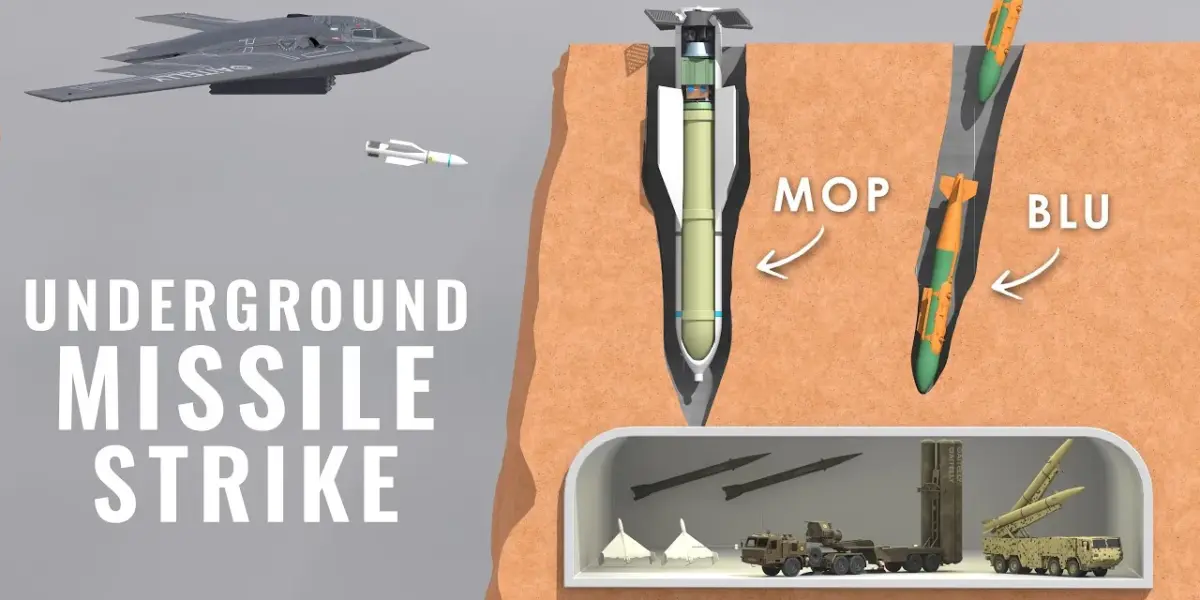
The second phase of Operation Epic Fury involved a daring mission: a B-2 Spirit stealth bomber dropping a massive bunker buster bomb. The target was chosen for a reason. Iran had built a vast network of underground tunnels deep within the Alborz mountains. These hidden bunkers were meant to safeguard their most prized weapons: a huge collection of ballistic missiles.
Iran’s strategy was to hide these missiles and then surprise American aircraft. To counter this, a special weapon was needed. The bunker buster bomb is designed to cut through many layers of strong, reinforced concrete. With just a few of these powerful bombs, the military could destroy an entire underground missile base.
Clearing the Skies, Then Striking Deep
The operation had two main parts. The first part focused on gaining control of the air. The second, more dangerous part, aimed at destroying the underground missile sites. These sites were carved deep into solid rock, protected by hundreds of feet of earth and concrete. A regular bomb would barely scratch the surface.
Even with air superiority, the mission wasn’t straightforward. While Iran’s main missile network was damaged, smaller, hidden anti-aircraft missile systems remained. These could still pose a threat to regular fighter jets like the F-15. Losing a crew and an expensive jet to one of these hidden batteries was a risk the Pentagon wanted to avoid.
The B-2 Spirit: A Ghost in the Sky
When conventional fighters are too risky, the B-2 Spirit stealth bomber takes over. This $2 billion aircraft is built for one job: going where other planes cannot. It flies high above enemy defenses, invisible to radar. The B-2 is the only aircraft capable of reaching these heavily defended areas undetected.
From its high altitude, the B-2 delivered dozens of 2,000-pound BLU-109 bunker buster bombs. These bombs were designed to crack open the mountain and destroy the missile cities hidden within. These heavily fortified sites were carved deep into the bedrock of the mountains surrounding Tehran.
A Long Journey for a Precision Strike
This long-range mission started thousands of miles away at Whiteman Air Force Base in Missouri. Four B-2 bombers took off for a direct trip. They were supported by aerial refueling tankers over the Atlantic and Mediterranean Seas to complete the journey of over 6,000 nautical miles.
Preparing the Battlefield
Before the B-2s arrived, US and allied forces worked to neutralize Iran’s air defenses. EA-18 Growler aircraft used electronic warfare to jam enemy radar. Fighter jets destroyed active surface-to-air missile launchers. This created a safer path for the stealth bombers, allowing them to enter the airspace without being detected.
How the Bombs Work
The strategy for destroying deeply buried targets was precise. The B-2 bombers opened their internal bomb bays to release multiple guided bunker buster bombs. These bombs were dropped at exact angles to hit weak points. They were designed to collapse entrances, destroy ventilation systems, and ultimately bury the missiles inside the mountain.
Dozens of BLU-109 bombs, each weighing 2,000 pounds, were dropped. This strike was part of a larger 72-hour campaign that hit about 200 hardened targets. While the massive 30,000-pound GBU-57 is used for the deepest targets, the GBU-28 and GBU-31 are more like surgical tools.
The BLU-109 bomb works with a smart fuse. When dropped, it falls like a normal bomb. The fuse, however, can be set to detonate on impact or after a delay. For hardened targets, a tail fuse provides a delayed reaction. The heavy bomb penetrates the concrete, and once inside, the fuse counts down before detonating the payload, destroying the target from within.
The Technology of Stealth
The B-2 Spirit achieves its stealth by its unique design. It lacks the vertical tails and rudders found on most planes. These vertical parts can reflect radar waves. Instead, the B-2 uses split drag rudders for stability. Its stealthy structure uses special materials like fiberglass epoxy and graphite epoxy. The engine areas use titanium, and other parts use fiberglass polyomide, which can withstand heat and avoid radar detection.
The aircraft’s surface also uses radar-absorbent material, or RAM. This material helps to absorb radar waves instead of reflecting them. This advanced technology makes the B-2 incredibly difficult to detect.
Carrying the Payload
The B-2 bomber has a large internal bomb bay. It can carry a significant amount of weaponry. Depending on the mission, it can hold around 80 500-pound bombs, totaling about 40,000 pounds. Alternatively, it can carry guided missiles like the AGM-158, which can travel hundreds of miles to their targets.
Why This Matters
This operation highlights a crucial shift in modern warfare. It shows the importance of striking deep underground targets that conventional weapons cannot reach. The B-2 Spirit and its bunker buster bombs represent a powerful capability for neutralizing hidden threats. The success of this mission demonstrates the US’s ability to project power across vast distances and overcome sophisticated defenses.
Implications and Future Outlook
The ability to strike hardened, underground facilities is becoming increasingly important as more nations develop hidden weapons systems. This operation sets a precedent for how such threats might be addressed in the future. It underscores the ongoing arms race in developing both offensive strike capabilities and defensive measures against them. The focus on stealth technology and precision-guided munitions will likely continue to grow.
Historical Context
The development of stealth aircraft like the B-2 Spirit began during the Cold War. The goal was to create planes that could evade Soviet air defenses. The B-2, first flying in 1989, is a prime example of this technology. Its ability to penetrate heavily defended airspace makes it a unique asset in modern military operations.
Similarly, the development of bunker buster bombs evolved from the need to destroy deeply buried command centers and weapons facilities. Weapons like the BLU-109 and GBU-57 are the result of decades of research and development aimed at creating weapons that can penetrate and destroy hardened targets.
Conclusion
The strikes against Iran’s underground missile sites represent a significant military achievement. They showcase advanced technology and strategic planning. The B-2 Spirit’s mission highlights the complex challenges of modern warfare and the specialized tools required to meet them. As nations continue to develop hidden and fortified weapons systems, the importance of stealth and deep-penetrating munitions will only increase.
Source: B-2 Spirit Strikes Iran's Underground Ballistic Missiles: What Happens Next? (YouTube)

Related Articles


Ukraine Strikes Russian Oil Ports, Crippling Exports
Ukraine's targeted strikes on Russian oil export terminals are crippling its war machine and reducing vital revenue. Retired General David Petraeus highlights Ukraine's advanced drone technology and its growing role as a global defense innovator.


Drones Devastate Russian Forces in Record Losses
Russia experienced its deadliest month of the war in March, with over 35,000 casualties, largely due to Ukraine's advanced drone warfare. Ukraine is also targeting Russian oil exports to cripple its economy. This marks a significant shift in military tactics and economic strategy.


Iran Missiles Could Reach UK, Ex-Defense Chief Warns
Former UK Defense Secretary Ben Wallace warns that Iran's enhanced missile capabilities could soon reach Britain. He criticizes government delays in defense planning and misaligned spending priorities, stating the UK currently lacks the ability to intercept such threats. Wallace urges a public discussion on national preparedness.