Stealth Bombers Strike Iran; Ground Troops Arrive
US B-2 stealth bombers have reportedly conducted major strikes inside Iran, while thousands of Marines have arrived in the region, signaling a potential escalation towards ground operations. The conflict also involves Houthi drone attacks and continued Iranian missile launches, with US defenses intercepting threats. Iran's leadership and military infrastructure are being targeted.

Stealth Bombers Strike Iran; Ground Troops Arrive
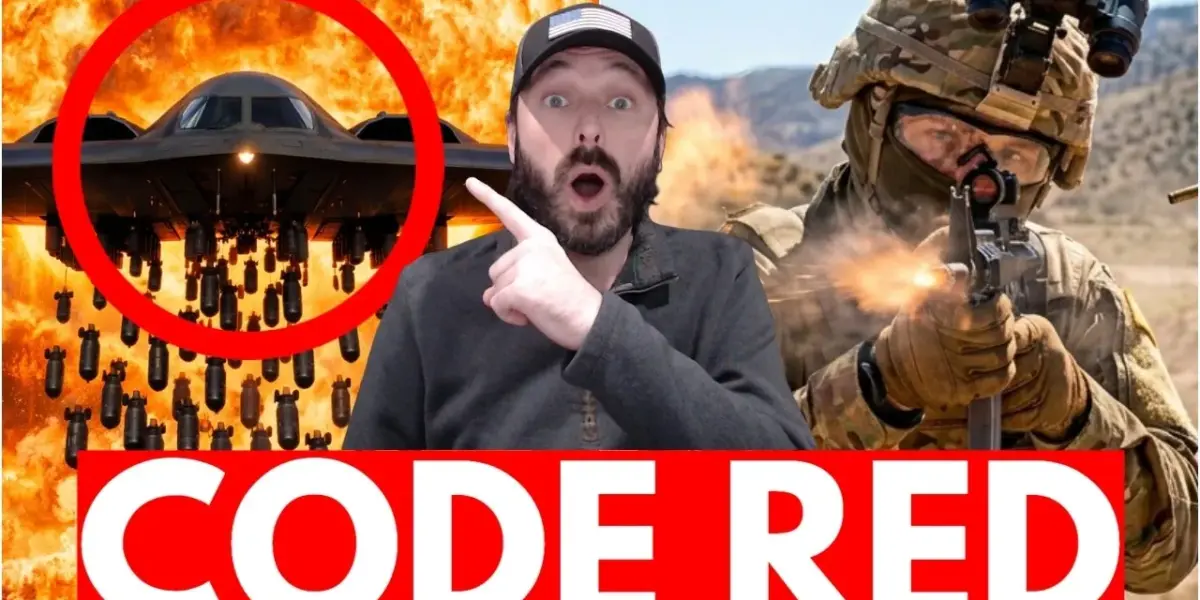
The ongoing conflict with Iran has escalated dramatically, with reports of B-2 stealth bombers conducting major bombing runs. These advanced aircraft, known for their ability to evade enemy radar, reportedly took off from Whiteman Air Force Base in Missouri. They flew across the Atlantic, likely with support from multiple refueling tankers, to strike targets within Iran. The B-2 bomber is considered the world’s most advanced stealth bomber, equipped with sophisticated technology that makes it very difficult to detect. While the newer B-21 bomber exists, it has not yet been confirmed to be part of this operation, and its readiness is unclear.
Iran’s air defenses are believed to be incapable of shooting down these B-2 stealth bombers. When deployed, these aircraft carry powerful munitions, potentially including bunker busters like the GBU-57, which weighs 30,000 pounds. Their arrival signals a severe threat to whatever they are targeting. Reports confirm that these massive strikes have indeed taken place, hitting numerous Iranian targets.
Broader Conflict Widens
The conflict is not limited to direct strikes on Iran. The Houthi rebels in Yemen have officially entered the war, launching drones that have been intercepted. Footage shows these drones being destroyed in the sky, indicating defensive measures are in place. However, Iran itself continues to launch ballistic missiles. These launches have been filmed and appear to be targeting not only Israel but also other locations across the Middle East.
While Iran still possesses the capability to launch these missiles, estimates suggest they have fewer than a thousand left. They are believed to have around 150 launchers still intact. Despite these limitations, Iran has managed to score direct hits, with footage showing explosions in Israel following successful missile strikes. It is unclear if there were casualties, but early reports suggest there were none, which is positive news. Nevertheless, Iran’s continued ability to successfully land missiles remains a dangerous concern.
US Defenses Hold, Strikes Continue
The United States consulate in Erbil, Iraq, a frequent target for Iran, has also faced attacks. American air defense systems, such as C-RAM, have been actively engaging drones attempting to strike the facility, successfully defending it. This indicates that while Iran is attempting further attacks, US air defenses are holding strong.
Meanwhile, the US bombing campaign against Iran shows no signs of slowing down. The strikes are targeting underground facilities and bunkers, aiming to destroy Iran’s hidden missile and drone infrastructure. Deep-penetrating weapons are being used to hit these hardened targets. One such strike destroyed the Space Propulsion Engines Research Institute in Shiraz, where Iran developed its missile technology, disguised under a civilian space program. The facility is reported to be completely flattened, a clear indication of the damage being inflicted.
Leadership Targeted, Ground Operations Loom
The US is deploying a wide array of aircraft, including B-2, B-1, and B-52 bombers, along with F-35, F-22, and A-10 fighter jets. The damage inflicted is described as immense, with strikes hitting multiple underground targets, causing significant smoke and destruction. The goal appears to be dismantling Iran’s military capabilities and its leadership.
In addition to infrastructure, Iran’s leadership is also being targeted. Reports indicate that multiple Iranian leaders have been killed in recent strikes. Zahed Sangania, a commander in the Basij militia, which is responsible for suppressing civilian protests, has been killed. Additionally, IRGC General Abbas Kami was killed in Tehran. These losses are seen as evidence that Iran’s leadership is being weakened and targeted effectively.
Adding another significant development, US sailors and Marines aboard the USS Tripoli have arrived in the US Central Command’s area of responsibility. This amphibious assault ship carries the 31st Marine Expeditionary Unit, totaling 3,500 personnel. Their presence has fueled speculation about a potential ground operation. One theory suggests the Marines might be deployed to seize islands in the Strait of Hormuz, such as Qeshm or Kish, to ensure its openness.
Thousands of paratroopers from the 82nd Airborne Division, along with elite operators from units like Seal Team 6 and Delta Force, are also reportedly moving into staging areas. This suggests that ground operations are not just being considered but are actively being prepared. The potential strategy might involve Marines and airborne troops securing islands, while special operations forces could target sensitive sites, possibly including uranium facilities, if deemed necessary.
Why This Matters
The deployment of B-2 stealth bombers and the potential for ground troop involvement mark a significant escalation in the conflict. The ability of stealth bombers to strike deep within Iran with relative impunity highlights a significant technological advantage. The arrival of thousands of Marines and elite forces signals a readiness for a ground phase, which could dramatically alter the nature and scope of the war. The targeting of Iranian leadership and key military infrastructure suggests a strategy aimed at dismantling the regime’s capabilities and control. This situation underscores the complex geopolitical dynamics at play and the potential for wider regional instability.
Implications and Future Outlook
The current events suggest a determined effort by the United States and its allies to degrade Iran’s military capabilities and influence. The combination of air superiority, advanced stealth technology, and the imminent threat of ground forces creates immense pressure on the Iranian regime. The successful strikes on missile development facilities and leadership figures indicate a strategic approach to cripple Iran’s ability to project power and wage conflict. The potential seizure of islands in the Strait of Hormuz could have significant implications for global oil markets and maritime security.
The involvement of the Houthis and Iran’s continued missile launches demonstrate that the conflict is multi-faceted and involves various regional actors. The resilience of Iran’s missile launch capability, even if diminished, means the threat of further attacks remains. The coming days and weeks will be crucial in determining whether these actions lead to a de-escalation, a wider regional war, or a decisive shift in the balance of power in the Middle East.
Historical Context
The current tensions are rooted in a long history of geopolitical friction between the United States and Iran. Following the 1979 Iranian Revolution, relations soured, leading to decades of mistrust, sanctions, and proxy conflicts. Iran’s pursuit of nuclear capabilities and its support for regional militant groups have been major points of contention. The US has historically sought to counter Iran’s influence through military deterrence and diplomatic pressure. The use of advanced military assets like the B-2 bomber reflects a long-standing US strategy of maintaining technological superiority in potential conflict scenarios. The involvement of special forces and amphibious assault groups suggests a potential shift towards more direct intervention, a strategy that has been employed in various conflicts throughout modern history to achieve specific strategic objectives.
Source: BREAKING: B-2 Stealth Bombers TEAR Iran Apart – Ground Troops Arrive (YouTube)

Related Articles

Houthis Join War, Expanding Conflict as US Sends Troops
The Houthi group from Yemen has joined the war, firing missiles at Israel and expanding the conflict. Simultaneously, the US is increasing its military presence in the region with thousands of Marines arriving and more troops potentially on the way. This escalation raises concerns about key shipping routes and the difficulty of achieving a peaceful resolution.

Houthis Join Mideast Conflict, Threaten Global Trade Routes
Yemen's Houthi rebels have joined the regional conflict, launching a missile at Israel and threatening to close the vital Strait of Mandeb. This escalation raises serious concerns about global trade disruptions. The Houthis' deep ties to Iran and the resilient structure of the Iranian regime add complexity to efforts to de-escalate the ongoing tensions.

Iran War Costs Soar, Fueling Global Energy Price Hikes
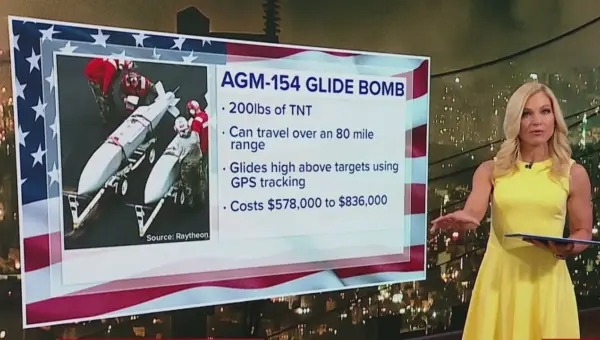
The escalating war involving Iran, the U.S., and Israel has already cost over $11 billion, heavily impacting global energy markets. Missile strikes and drone warfare are driving up gas prices worldwide, with the Strait of Hormuz remaining a critical choke point.