States Face War Costs: A Bold Plan to Fund Conflict
A Republican proposal suggests diverting billions from states to fund the war in Iran, sparking debate over national priorities and the "America First" agenda. This plan could cut social programs and healthcare, impacting vulnerable citizens.


States Face War Costs: A Bold Plan to Fund Conflict
The United States is spending an enormous amount of money each day to fund the ongoing war in Iran. Reports show this cost has already surpassed $1 billion daily. This massive expenditure raises a critical question: where will this money come from, especially as the federal government faces its own financial challenges?
The U.S. Treasury recently indicated that the government is, in effect, insolvent. This means the nation has far more debt than readily available cash, making it difficult to pay its bills. With the war’s daily cost at $1 billion, finding the funds is becoming a pressing issue.
A Controversial Proposal Emerges
Republican Representative Jody Arrington of Texas has put forward a proposal that has sparked significant debate. His idea is to redirect funds from American states to cover the war’s expenses. This plan suggests taking money from states that are already struggling financially, some of which are described as being on the brink of bankruptcy due to past policies.
Arrington’s proposal, intended to be part of a new reconciliation package, aims to fund what is being called “Donald Trump’s war.” The money would reportedly be taken from social programs, with a possibility of some funds also coming from aspects of Obamacare. This means that funding for healthcare and social services could be reduced to pay for military actions abroad.
The specific social programs targeted have not been fully detailed in Arrington’s resolution. However, the core idea involves cutting funds from programs that support needy individuals and families across the country. The intention is to use these domestic funds to finance military operations in Iran.
“America First” Under Scrutiny
This proposal has drawn sharp criticism, particularly from those who have championed the “America First” slogan. For example, Marjorie Taylor Greene has questioned how the current conflict in Iran aligns with an “America First” agenda. Critics argue that Arrington’s plan directly contradicts this principle.
“MAGA, you ought to be even more pissed off now because he is literally taking money away, honestly, probably from you guys.”
The argument is that by cutting social programs and potentially healthcare, the plan would negatively impact many Americans, including those who support the “America First” movement. These individuals may rely on the very programs that could be cut to fund the war. The proposal could lead to job losses and reduced economic activity within states, directly harming the citizens it claims to prioritize.
The core of the criticism is that the plan appears to be taking resources from vulnerable populations within the U.S. to fund military actions in a foreign country. This raises questions about priorities and the true meaning of “America First” when domestic needs might be sacrificed for foreign policy objectives.
Broader Implications and Future Outlook
The proposed solution highlights a growing tension between domestic spending needs and international military commitments. If enacted, this plan could set a precedent for future conflicts, suggesting that states might be expected to contribute financially to federal military actions.
This approach could lead to increased hardship in already struggling states, potentially worsening existing inequalities. The reduction in social services and healthcare access could have long-term negative effects on public health, education, and economic stability.
Historically, the funding of major military operations has often relied on federal taxes, borrowing, or reallocations within the federal budget. The idea of directly taxing or taking funds from state budgets to pay for a federal war is a significant departure from past practices.
The debate over Arrington’s proposal is likely to continue, forcing a difficult conversation about national priorities. It brings into sharp focus the trade-offs between investing in domestic well-being and engaging in costly international conflicts. The outcome of this debate could shape how future wars are financed and how the federal government interacts with state resources.
Why This Matters
This proposal matters because it directly impacts the financial health and social well-being of American states and their citizens. It challenges the fundamental principles of how federal wars are funded and raises serious questions about national priorities. If such a plan were to be implemented, it could lead to significant cuts in essential services like healthcare and social support systems, disproportionately affecting those who rely on them most.
The debate also forces a re-examination of the “America First” ideology. Critics argue that funding a war by cutting domestic programs is the opposite of putting America and its citizens first. This situation highlights the complex economic and political decisions involved in foreign policy and national defense, showing how decisions made on the global stage can have direct and potentially damaging consequences for communities at home.
Looking Ahead
The future outlook depends on how this proposal is received by lawmakers and the public. If similar ideas gain traction, we could see increased pressure on states to contribute to national defense, potentially leading to more cuts in social programs and healthcare. Alternatively, strong public opposition and debate could ensure that federal military spending continues to be financed through traditional federal means, protecting state budgets and social services.
The ongoing conflict in Iran and its immense daily cost will undoubtedly keep these funding discussions active. The way this specific proposal unfolds will be a key indicator of the direction of U.S. fiscal policy concerning wartime expenditures and its impact on domestic welfare.
Source: Republicans Go NUTS, Want States To Pay For War (YouTube)

Related Articles

Democrats Lose Voters as Working Class Shifts Right
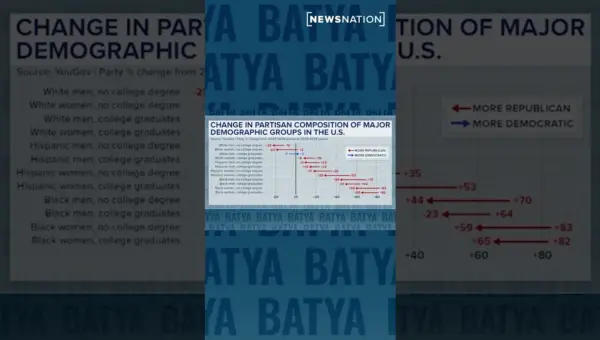
A recent survey reveals a significant shift in American politics, showing a steady decline in Democratic identification. Working-class voters are increasingly leaning Republican, while wealthier individuals are now more likely to be Democrats. This realignment poses challenges for the Democratic party's future electoral success.


Protests Erupt: Is Trump’s Populist Promise a Scam?
Massive protests across the nation signal deep public frustration with Donald Trump's administration and a perceived betrayal of populist promises. Critics argue that economic hardship and a focus on war over domestic needs show the populist message to be a "con." Organizers hope these demonstrations will fuel a broad coalition committed to democratic principles and lasting political change.

Trump’s Mueller Jab Shows Ruthless Drive
Former President Trump's harsh reaction to Robert Mueller's death highlights his combative political style. This approach, though controversial, is seen by some as the driving force behind his pursuit of policies aimed at helping working-class Americans.