Starship V3 Flight Nears: Pad Upgrades Accelerate
SpaceX is rapidly advancing preparations for the Starship Version 3 debut, targeting an early March launch. Significant upgrades to launch pads, including enhanced water deluge systems and new infrastructure, are underway. The company is also testing new hardware and refining designs for future iterations like Version 4.

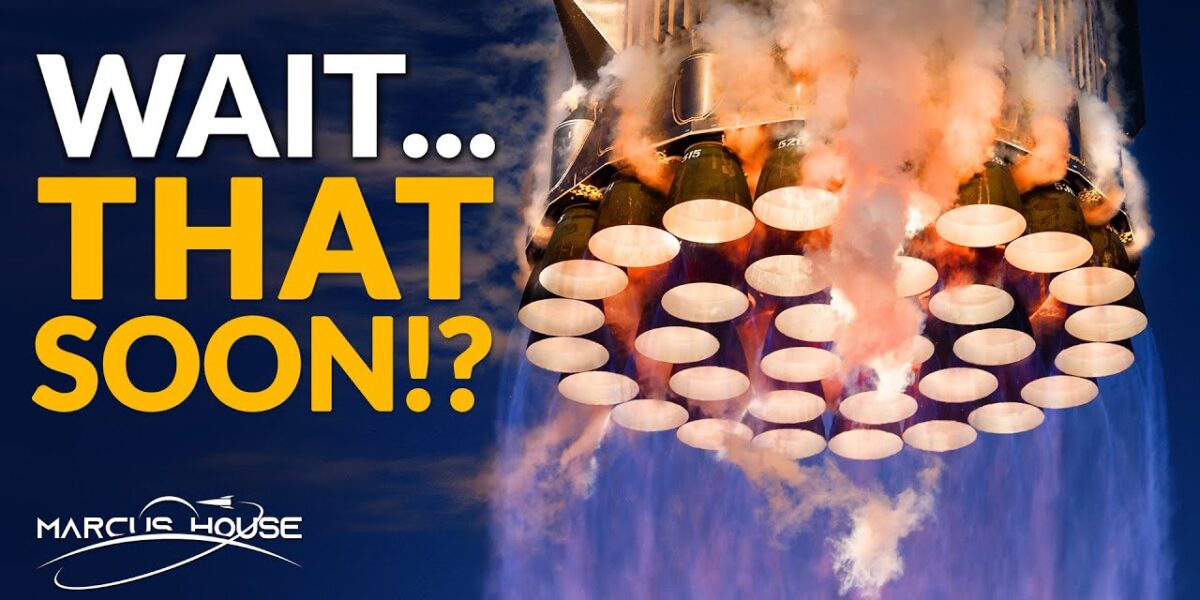
Starship V3 Flight Nears: Pad Upgrades Accelerate
The race to the stars is heating up as SpaceX appears to be targeting an early March debut for its next-generation Starship Version 3. Recent activity at Starbase, the company’s orbital launch and development facility, points towards a rapid acceleration of preparations, with critical infrastructure upgrades and system tests dominating the past week. While an official date remains elusive, the pace of work suggests that the ambitious five-week timeline is not merely optimistic but a genuine objective.
Starbase Infrastructure Undergoes Rapid Transformation
At Pad 2, the focus has been on the water deluge system, a crucial component designed to mitigate the immense acoustic energy and heat generated during a Super Heavy booster launch. Initial tests involved flushing water through the detonation suppression system, a safeguard against potential methane and oxygen gas build-ups. These tests progressed from short bursts to a sustained, waterfall-like flow, indicating significant progress in preparing this vital safety feature. The system’s integration with nitrogen gas for atomization into a fine mist is also anticipated, promising an even more robust performance.
Further enhancements to the launch mount itself include the installation of protective red covers on clamp arms and the completion of the sump system covering within the trench. Meanwhile, the nearby Pad 1 is undergoing a massive upgrade, with ongoing pile drilling and rebar cage installation. The delivery of sheet piles signals further progress, with projections suggesting both Pad 1 and the new pad at Space Launch Complex 37 could become operational by 2027, dramatically increasing SpaceX’s launch capacity from two to five active pads.
Starship V3 Hardware and Testing
The Starship V3 design itself is also seeing continued development. Navigation lights have been updated to lower-intensity red versions, a thoughtful change aimed at protecting local wildlife, a welcome improvement over the previous bright white lights. While stabilization arms used for precise alignment during stacking operations have been removed from the older pad, their larger, higher-range counterparts on the new pad arms are slated for similar upgrades. These modifications are essential as SpaceX refines the complex process of mating the Starship upper stage with the Super Heavy booster.
The methane tank farm is also expanding, with new tanks being installed. The Air Separation Unit, a critical facility for producing the cryogenic propellants needed for Starship, is a hive of activity. Large box sections of the unit have been transported and lifted into place, forming the core structure that will house the complex hardware for propellant production.
Static Fire Stands and Starlink Integration
The build site is buzzing with activity related to static fire testing. A second static fire stand is nearing completion, designed to support Super Heavy booster testing. This new stand, along with modifications to the original, will be crucial for testing the Raptor engines that power both the booster and the Starship upper stage. Notably, the need for certain older hardware, like the twice-used ship static fire adapter, is diminishing as the V3 design evolves, signifying the transition away from temporary solutions.
Intriguing developments are also emerging regarding Starlink satellite deployment. A Starlink loader box has been observed with prongs that appear to be rails for connecting to the Starship. The thin end of these rails may indicate an upgrade to probe-and-drogue systems, mirroring the technology intended for future ship-to-ship docking tests. This allows for early data collection on these critical systems before their operational deployment.
Starship V4 and Beyond
Beyond the immediate focus on Version 3, SpaceX is already looking towards Version 4, a further iteration of the Starship design. This continuous development cycle underscores the company’s commitment to rapidly iterating and improving its launch vehicle capabilities. The ultimate goal remains the full reusability of both the Starship and Super Heavy, paving the way for ambitious missions to the Moon, Mars, and beyond.
Broader Space Industry Updates
The week’s developments extend beyond Starbase. SpaceX has also announced ‘Stargaze,’ a novel Space Situational Awareness system that will leverage its extensive orbital data from nearly 30,000 star trackers. This initiative, offered free to the broader satellite operator community, aims to significantly reduce the risk of collisions in low Earth orbit, enhancing the safety and sustainability of space operations.
Blue Origin is also making significant strides. Their ‘Blue Docking System’ has successfully simulated docking under flight conditions, meeting International Docking System Standard requirements. This technology is slated for use on their Blue Moon MK2 Lunar Lander and the proposed Orbital Reef commercial space station. Furthermore, a New Glenn launch carrying an AST SpaceMobile satellite is anticipated within weeks, with Blue Origin planning to reuse the first stage booster for its third-ever launch, a testament to their focus on reusability.
In other news, Rocket Lab conducted another successful Electron launch, deploying an Earth observation satellite. However, their ambitious Neutron rocket program faced a setback with a tank rupture during testing, potentially delaying its debut launch. NASA’s WB-57 aircraft experienced an emergency landing, but contingency plans are in place to ensure critical aerial imagery for upcoming missions like Artemis II.
Looking Ahead: The Dawn of a New Era
The accelerated pace of Starship V3 preparations, coupled with ongoing advancements across the space industry, signals a pivotal moment. The successful development and deployment of Starship promise to revolutionize space access, enabling more ambitious scientific exploration, commercial ventures, and potentially, humanity’s expansion beyond Earth. The coming weeks and months will be crucial in witnessing the realization of these extraordinary goals.
Source: The First Starship Version 3 Flight Target Revealed! (YouTube)

Related Articles


SpaceX Starship V3 Nears First Flight Amidst Major Artemis Shakeup
SpaceX eyes March for Starship V3's maiden flight as new testing reveals design improvements. Meanwhile, NASA's Artemis program faces delays and strategic shifts, with Artemis III repurposed as a LEO test mission.


Space Data Centers: A Leap for AI or Economic Hubris?
SpaceX's ambitious plans for orbital AI data centers raise profound questions about economic sustainability and the future of humanity. This article explores the potential benefits, immense challenges, and critical risks associated with this futuristic endeavor.

Starship V3: The Dawn of Reusable Spaceflight
SpaceX's Starship program enters a new phase with Version 3, focusing on full reusability, advanced Raptor 3 engines, and orbital refueling. Key milestones include mid-air rocket catches and the development of a Human Landing System for NASA's Artemis missions. This evolution promises a dramatic increase in launch cadence and unlocks ambitious deep-space exploration capabilities.