Starmer’s Iran Stance Valid, But Cost of Living Crisis Looms
Keir Starmer's cautious stance on the Iran conflict aligns with public opinion, but the escalating cost of living crisis poses a greater threat to his party. With energy bills set to rise and vulnerable households struggling, the government faces immense pressure to deliver economic relief.

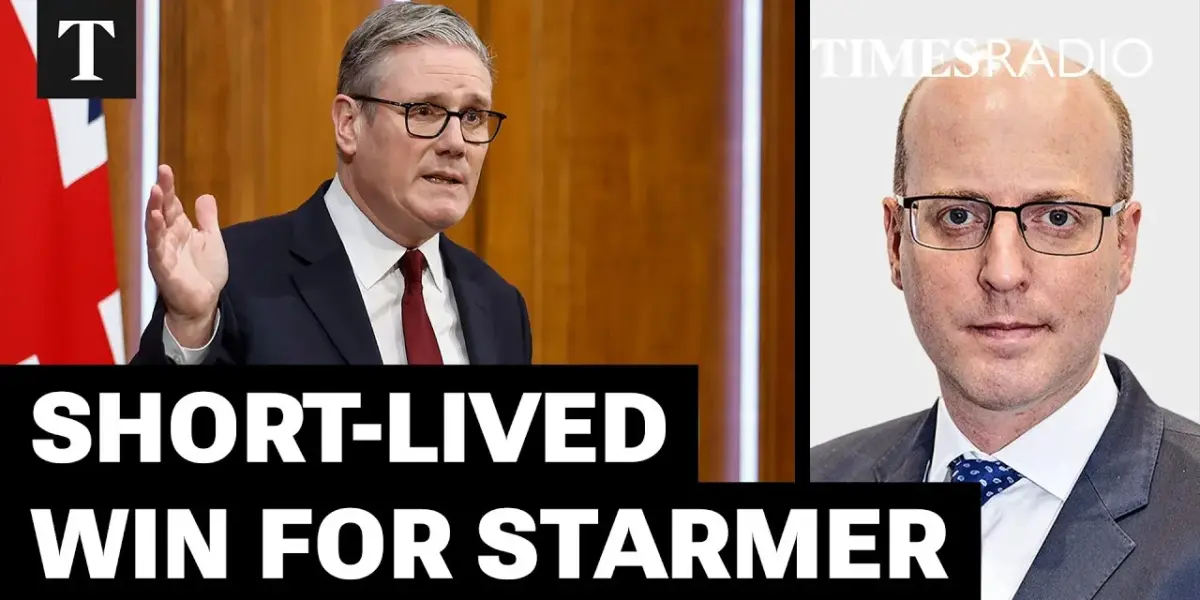
Starmer Right on Iran, Faces Voter Ire Over Economy
London – While opposition leader Keir Starmer appears to have navigated the complex geopolitical waters surrounding the Iran conflict with a stance favored by the public, his party faces a significant challenge from voters preoccupied with the escalating cost of living crisis. As international tensions simmer and domestic economic anxieties rise, the political landscape presents a delicate balancing act for Starmer and the government alike.
Navigating the Iran Conflict: A Difficult Diplomatic Terrain
The international response to the ongoing conflict involving Iran has placed significant diplomatic pressure on global leaders. Notably, former US President Donald Trump, once vociferous about American military dominance, now finds himself in a vulnerable position, requesting assistance to reopen the Strait of Hormuz. This critical waterway, essential for global trade, has been targeted by Iran, demonstrating the disruptive power of even low-cost drone technology. The situation is further complicated by the potential incapacitation of Iran’s leadership, as alluded to in recent discussions, yet the military apparatus remains capable of launching attacks.
British involvement in any potential military operation to secure the Strait of Hormuz is met with considerable caution. Reports suggest the UK may be hesitant to commit resources, a position that, while potentially aligning with public sentiment, poses its own diplomatic and economic challenges. The longer the Strait remains closed, the greater the economic impact and the higher the geopolitical tensions are likely to soar. This scenario leaves the US facing its most significant challenge in the region, with a lack of readily available naval assets and a growing divide among European allies, such as Germany and France, regarding the best course of action.
Public Opinion: A Tale of Two Issues
The public’s view on military intervention in the Iran conflict is starkly divided from their concerns about the domestic economy. Polling data indicates that a significant majority, as high as 70%, believe the UK should not join the military offensive. This widespread unpopularity of direct involvement in the conflict provides a potential political win for Starmer, who has advocated for a cautious approach. His stance appears to resonate with a public wary of foreign entanglements.
However, this alignment on foreign policy is overshadowed by more immediate and pressing domestic concerns. When voters look at their household bills and the rising prices in supermarkets, the promise of economic relief appears to have gone unfulfilled. The cost of living crisis, characterized by soaring energy prices and inflation, is the dominant issue shaping public opinion and voter priorities. While Starmer may be ‘right’ on Iran, this correctness may offer little solace to citizens struggling to make ends meet.
The Economic Squeeze: Energy Prices and Vulnerable Households
The upcoming end of the energy price cap in June looms large, with expectations of a significant jump in gas and electricity bills unless the government intervenes. In the interim, a more immediate crisis is unfolding for approximately 1.5 to 1.7 million households reliant on heating oil. These households are not protected by the current energy price cap, and their bills have reportedly surged by as much as 80% in a single week, mirroring the rise in global oil prices. Many of these households are located in rural areas and include vulnerable groups such as pensioners and low-income families.
The government is reportedly preparing a £50 million bailout package for the most vulnerable heating oil users, comprising direct payments. This measure, while aimed at alleviating immediate hardship, also signals the potential direction of broader energy policy. Discussions within Number 11 Downing Street, the Treasury, are focusing on ‘targeted interventions’ for the wider energy market. This approach is likely to prioritize households on benefits, lower-income families, and pensioners. Such a strategy, however, presents a political challenge, as it necessitates establishing a threshold, potentially creating a divisive ‘cliff edge’ for those just above the qualifying income levels.
UK’s Naval Weakness and Geopolitical Realities
Compounding the challenges is the acknowledged weakness in the UK’s naval capabilities. The deployment of a single Type 45 destroyer to Cyprus highlights a concerning lack of a substantial Royal Navy presence in the Middle East, a situation described as a combination of incompetence and misfortune. This absence is particularly striking given the current global security climate and the ongoing conflict in the Strait of Hormuz. While efforts are underway to rectify this, repositioning naval vessels into a volatile and unpredictable conflict zone, like the Strait of Hormuz, carries immense risks for service personnel.
The lack of clear strategic planning from the US regarding the Strait of Hormuz further complicates matters. The differing approaches among European nations, with Germany being notably hesitant and France more supportive, underscore the geopolitical divisions. While there is a shared desire to see the Strait of Hormuz reopened, the current focus appears to be on de-escalation, a strategy that Iran is seemingly disregarding as it continues to target vessels.
Looking Ahead: The Cost of Living Dominates
As the political discourse continues, the immediate future appears dominated by the cost of living crisis. The government’s response to the soaring energy bills, particularly for vulnerable households, will be a key indicator of its priorities. The debate over targeted versus universal support will likely intensify in the coming weeks. While Starmer’s position on international conflicts may garner public approval, his ability to present a credible and effective economic plan will ultimately be the deciding factor in the eyes of the electorate. The coming months will reveal whether the government can provide tangible relief to households feeling the economic squeeze, or if public frustration will continue to mount.
Source: Starmer Has Been Right On Iran But Faces Voter Backlash On Cost Of Living | Steven Swinford (YouTube)

Related Articles
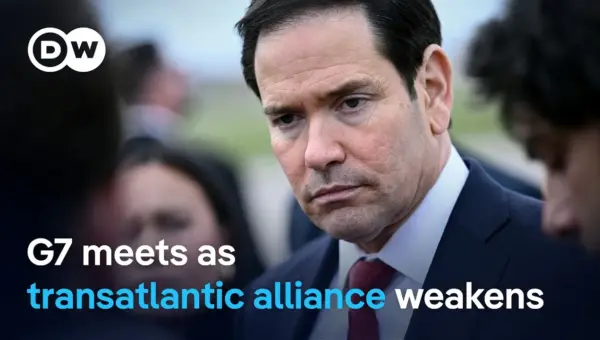
G7 Allies Clash Over Iran War Strategy, Urge Focus on Russia
G7 foreign ministers met in Paris, revealing deep divisions over the U.S. war with Iran. European allies urged the U.S. to pressure Russia, linking its actions to the conflict and fearing support for Ukraine will wane.
Iran Blocks China Ships, Exposing Beijing’s Weak Grip
Iran's recent decision to block Chinese ships at the Strait of Hormuz is exposing the limits of Beijing's influence in the Middle East. This action is causing delays and cancellations for Chinese manufacturers, turning a perceived geopolitical win into an economic strain.
Trump’s “Walk Away” Tactic Signals Tougher Stance on China
Retired Air Force Brigadier General David Stillwell believes President Trump's strategy of being willing to walk away from negotiations puts pressure on China. This tactic, combined with US global actions and strengthened alliances, signals a more assertive American foreign policy.