Starmer’s Iran Stance: Cautious Diplomacy or Political Ploy?
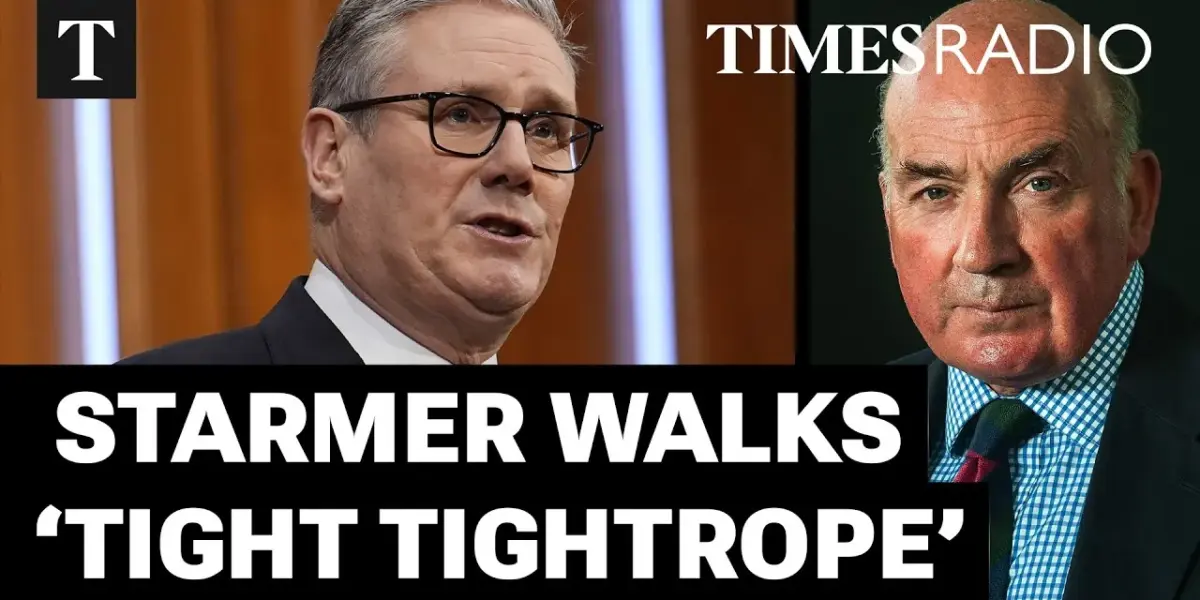
Former head of the army, Lord Dannatt, criticizes Keir Starmer's 'overcautious' response to Iran, suggesting it panders to the Labour left and risks damaging UK-US relations. While acknowledging Starmer's dilemma in avoiding past mistakes, Dannatt argues for a stronger stance against Iranian aggression.

Starmer Navigates Iran Crisis with Measured Response
In the wake of escalating tensions in the Middle East, Keir Starmer, the leader of the Labour Party, finds himself in a precarious position regarding the UK’s engagement with Iran. While the government has emphasized a heightened state of readiness and deployed defensive assets, Starmer’s measured approach has drawn criticism for being overly cautious, potentially pandering to the left wing of his party, and risking damage to crucial international relationships.
UK’s Defensive Posture Amidst Regional Conflict
The UK has been actively preparing for potential conflict in the Middle East. During January and February, the country moved defensive assets, including fighter jets, air defense missiles, advanced radar, and drone-downing systems, to Cyprus and Qatar to ensure a state of heightened readiness. These measures were in place in anticipation of conflict, and upon the commencement of strikes on Saturday, these jets were immediately deployed.
“Throughout January and February, we were moving defensive assets to Cyprus and Qatar. fighter jets, air defense missiles, advanced radar and systems to take down drones to ensure we were in a heightened state of readiness in advance of any conflict beginning. When the strikes began on Saturday, we immediately put those jets into the sky.” – Keir Starmer (as reported in the transcript)
Lord Dannatt’s Critique: Overcautious or Pragmatic?
Lord Dannatt, former head of the British Army, has voiced concerns that Starmer’s response to the Iran situation is too cautious. He acknowledges the difficult position Starmer is in, particularly the desire to avoid repeating the perceived mistakes of the Iraq War, where Tony Blair’s full-throated support for the US-led invasion proved deeply controversial. However, Dannatt argues that the decision to deny the Americans the use of bases like Fairford and Diego Garcia may have surprised and potentially strained relations with key allies like the US and Israel.
Dannatt posits that Starmer is walking a “very tight rope,” attempting to balance the need for a measured response with the traditional role of the UK as a strong ally. He understands the frustration felt by leaders like Trump and Netanyahu, given Iran’s ongoing sponsorship of groups such as Hamas, Hezbollah, and the Houthis, and its provision of military technology to Russia for use in Ukraine. “The case to support the Americans and the Israelis is a pretty strong one,” Dannatt stated, “but I think personally I feel that he’s slightly too much on the side of caution.”
The Dilemma of Defensive vs. Offensive Operations
A key point of contention raised by Dannatt is the difficulty in distinguishing between defensive and offensive operations. He notes the argument made by some, including potentially Kemi Badenoch, that merely shooting down incoming Iranian missiles is insufficient and that addressing the source – the “archers” – is necessary. This highlights the complex strategic choices facing the UK government and its allies.
Dannatt suggests that Starmer’s approach, while perhaps politically expedient for domestic audiences, comes at the cost of the current “temperature of our relationship with Trump” and potentially broader alliances.
Instinct vs. Planning in Military Operations
The discussion also touched upon the nature of the recent operations against Iran. The Prime Minister has suggested a lack of clear planning behind the initial strikes, implying an instinctive rather than deliberative approach by President Trump. However, Dannatt counters this, drawing on insights from figures like General David Petraeus, who suggest that plans to exert pressure on Iran have been in development for many years.
Dannatt believes the Israeli intelligence likely identified an opportune moment – the presence of Iran’s Supreme Leader and senior officials in one location – which prompted immediate action. “On that basis, probably the thing kicked off on an instinctive basis on an opportunity basis and that’s actually not discreditable,” he explained. “But it’s then gone on from there.” He argues that while an opportunity may have triggered the initial action, it likely rolled out a plan that had been in development for some time, making the assertion of pure instinct a “cheap shot.”
International Law and Legal Jeopardy
The Prime Minister also raised concerns about the potential breach of international law and the legal jeopardy British forces might face if they were more directly involved in offensive operations. Dannatt, drawing on years of experience and legislative efforts like the Overseas Operations Bill, acknowledges the complexities of international law. However, he maintains that Iran’s consistent actions – sponsoring terrorism and exporting violence – present a strong case for the legitimacy of actions taken to contain it.
“I don’t think it’s a too difficult case to make to say that attacking Iran to contail and contain them and prevent these things happening was such a blant flagrant breach of international law,” Dannatt stated, implying that Iran’s actions themselves might justify a robust response. He stressed the importance of governments standing behind their service personnel, protecting them from “vexatious inquiries” by human rights lawyers after operations conclude.
Defense Spending: A Persistent Call to Action
Lord Dannatt reiterated his long-standing advocacy for increased defense spending. He expressed frustration that, despite numerous global shocks, governments have been slow to commit adequate resources to the military. He cited Starmer’s own pledge at the Munich Security Conference to increase defense spending to 3% of GDP, questioning where these funds are materializing.
“The time for words has got to stop and the time for action and that means the chancellor of finding more money, rep prioritizing government spending so that we’ve got the military capability that can make a significant contribution to the security of this country and the security of Europe,” Dannatt urged. He emphasized that enhanced military capability is crucial for deterring further aggression, particularly from Russia.
Public Opinion and Strategic Alliances
Recent opinion polling suggests that while the public supports defensive operations, there is significant opposition to offensive actions against Iran, with only 8% backing such measures. Dannatt acknowledges that Starmer is likely studying these polls carefully, which may be influencing his cautious stance. However, he warns that this approach could damage the UK’s relationship with the United States, a concern amplified by long-standing worries within the US military about the declining defense capabilities of the UK.
“The price and does it matter is the quality of our relationship with the United States at the present moment,” Dannatt concluded. “And of course that’s not helped by the fact that for many years now the American military with whom we have good relations have been shaking their heads and worrying that the British defense capability is not what it was.”
What’s Next?
As the situation in the Middle East continues to evolve, all eyes will be on Keir Starmer’s ability to navigate the complex geopolitical landscape. The UK’s strategic alliances, its defense posture, and its domestic political considerations will all play a role in shaping its response to future developments, particularly concerning Iran. The tension between cautious diplomacy and the perceived need for robust action, coupled with ongoing calls for increased defense spending, will likely remain central themes.
Source: Starmer's ‘Overcautious’ Iran Response ‘Panders’ To Labour Left | Richard Dannatt (YouTube)

Related Articles
UAE Freezes Iranian Assets Amid Devastating War Effort
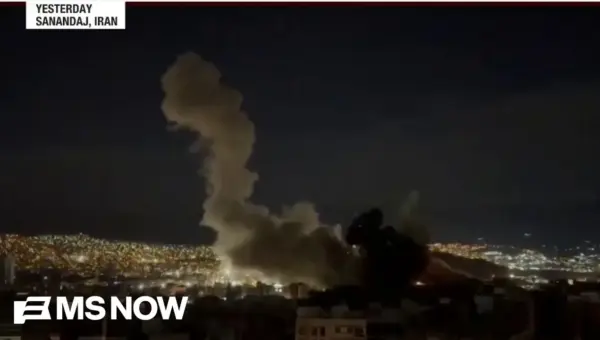
The UAE has frozen billions in Iranian assets as a devastating military campaign against Iran achieves significant success in degrading its missile and drone capabilities. Experts, however, express concern over potential long-term instability and the risks associated with encouraging internal fragmentation.


Israel Strikes Iran’s Nuclear Bunker: Video Released
The Israel Defense Forces (IDF) have released video footage allegedly showing an airstrike on an underground bunker in Tehran, reportedly linked to Iran's Supreme Leader Ayatollah Ali Khamenei. This development escalates the ongoing shadow conflict between the two nations, with significant regional implications.

Iran’s Bunker Obliterated: Russia Aids Tehran Against US
Iran's secret bunker has been reportedly vaporized by Israeli airstrikes, as the U.S. intensifies its own assaults on Iranian military targets. Adding a dangerous new dimension, Russia is accused of providing Tehran with intelligence to target American forces, raising fears of wider conflict.