Starmer Under Fire: UK Approves Limited US Use of Bases on Iran
Prime Minister Keir Starmer faces intense political pressure after granting the US limited access to British bases for operations concerning Iran. Critics deem the move 'meek,' while Starmer's reference to the 'mistakes of Iraq' signals caution. Meanwhile, extensive plans are underway for the potential evacuation of thousands of British nationals from the Gulf region.

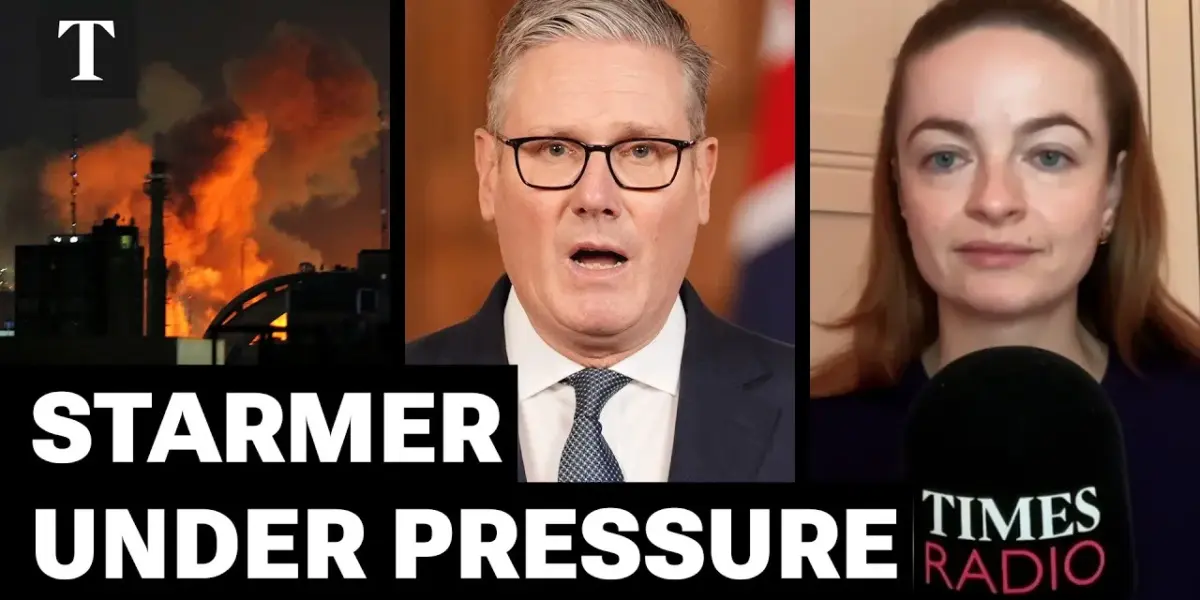
Starmer Faces Criticism Over UK’s Iran Stance
London, UK – Prime Minister Keir Starmer is facing a political tightrope walk following the UK’s decision to grant limited permission for the United States to use British bases for operations related to Iran. The move, which follows initial hesitation, has drawn criticism from multiple sides, leaving Starmer appearing to satisfy no one, according to political commentators.
Strategic Shift on US Operations
The UK government announced this past weekend that it would support Washington’s actions concerning Iran, a shift from its earlier stance of refusing to allow Donald Trump to use British bases. However, the permission granted is reportedly under a “specific and limited purpose,” a distinction the government is attempting to clarify through a shortened version of its legal advice.
The government’s explanation aims to differentiate between defensive actions, such as using bases to “wipe out Iran’s military capability to try and prevent strikes,” and offensive actions like “targeting leaders” or seeking “regime change.” This nuanced approach, however, has been met with skepticism, with the realities of war making such clear distinctions difficult to maintain.
‘Meek’ and ‘Weak’: Dual Attacks on Starmer
Political analyst Anna Mikhailova, speaking on Times Radio, highlighted the paradox of the criticism leveled against Starmer. “His position was seen as too weak on the weekend in terms of not letting Donald Trump use basis and now when he has given some permission it’s seen as meek and like he’s following others,” Mikhailova observed. This has placed Starmer “under attack from both” sides of the political spectrum.
The initial reluctance to grant access to bases was perceived as a sign of weakness, while the eventual, albeit limited, approval is being characterized as a passive endorsement, suggesting the UK is merely following the lead of the United States. This perception has created a difficult political landscape for the Prime Minister.
Echoes of Iraq: A Revealing Insight?
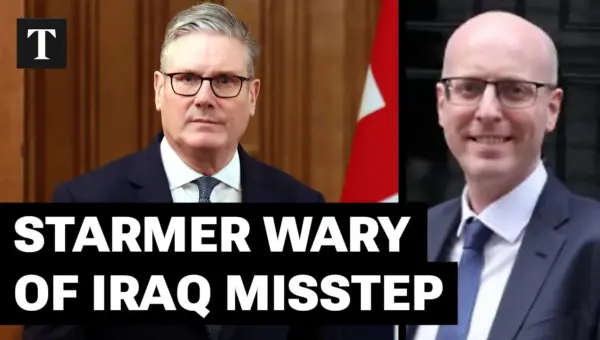
Mikhailova pointed to a specific detail in Starmer’s recent statement that she believes offers insight into his personal thinking. Starmer reportedly made a point of referencing “the mistakes of Iraq” in his remarks. Given that Starmer had previously opposed the invasion of Iraq, his decision to draw this parallel in the current context is seen as significant.
“For him to reference that in the context he did was pretty interesting.”
This allusion to the Iraq War suggests a deep-seated caution within Starmer’s approach to military interventions and foreign policy entanglements, particularly those involving the United States. The comparison implies a concern about the potential unintended consequences and the long-term ramifications of military action, echoing the debates and criticisms surrounding the 2003 invasion.
Parliamentary Scrutiny and Potential Vote
While the government has issued a statement on its legal advice, questions remain about the precise scope of the permission granted and the future course of action. It is expected that a statement will be made in the House of Commons, though it was undecided at the time of reporting whether Starmer or another minister, such as Home SecretaryYvette Cooper, would deliver it.
Starmer is also scheduled to address his MPs at a meeting of the parliamentary Labour Party. Meanwhile, there is pressure from opposition parties, including the Liberal Democrats, to hold a vote on whether to allow the US to use UK bases. Such a vote would be unusual, as the use of executive power in such matters is typically within the remit of Number 10 Downing Street.
Evacuation Plans for Gulf Nationals
In parallel with the military and diplomatic developments, the UK government is actively preparing for the potential evacuation of British citizens from the Gulf region. Yvette Cooper is reportedly leading these efforts, engaging with embassies across the region and with airlines.
The current estimates suggest that up to 94,000 British nationals have registered their presence in the region, with a broader estimate of over 240,000 citizens potentially in the Gulf. The message to British nationals is to contact their local embassy for guidance. One proposed option involves consolidating citizens in a safe location, such as Saudi Arabia, for a subsequent evacuation, though specific details are still being finalized.
Looking Ahead
The coming days will be crucial in determining the clarity of the UK’s policy towards the escalating tensions with Iran and the extent of its involvement. All eyes will be on the parliamentary statements and any further clarifications on the scope of US operations from British soil. The government’s ability to navigate the domestic political fallout while managing complex international relations and citizen safety will be closely watched.
Source: ‘Meek’ Starmer Makes Every Constituent Unhappy On Iran | Anna Mikhailova (YouTube)

Related Articles
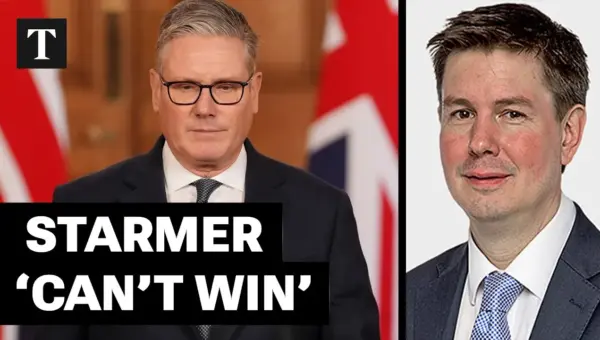
UK Cedes Diego Garcia Access to US Amid Iran Tensions
The UK has granted the U.S. access to Diego Garcia military base amid escalating Iran tensions. Analysts suggest Iran's strategy is to inflict maximum cost, while Prime Minister Starmer navigates domestic political challenges. Contingency plans for British nationals in the Middle East are also being developed.

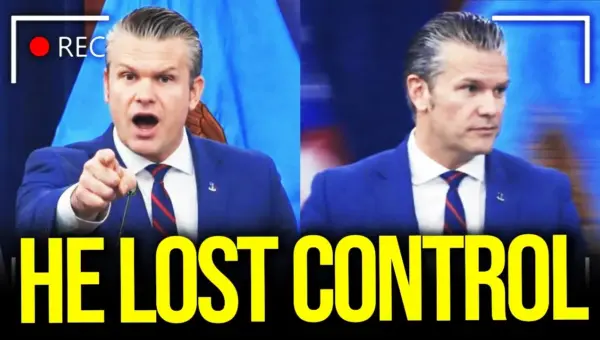
Hegseth’s War Spin: A Desperate Defense of a Flawed Strategy
Secretary of Defense Pete Hegseth's defense of the current Middle East conflict has been met with sharp criticism, accused of being a desperate performance masking a flawed strategy. The analysis questions the administration's narrative on the war's origins, highlights perceived missteps, and warns of escalating chaos and human cost.
UK Navigates Middle East Tensions Amid Iraq War Echoes
The UK navigates escalating Middle East tensions, with Prime Minister Starmer emphasizing a "limited defensive purpose" for any military support. This cautious approach, driven by public wariness of repeating the Iraq War's mistakes, contrasts with regional instability and strained UK-US relations. Meanwhile, plans for a potential mass evacuation of British citizens from the Gulf are reportedly underway.