Starmer Challenges Badenoch in Fiery PMQs Session
Keir Starmer challenged Business Secretary Kemi Badenoch on economic policy during a recent Prime Minister's Questions session. Analysts discussed the key economic questions raised and Badenoch's defense of the government's record. The exchange highlighted the political battle lines on crucial issues facing the UK.

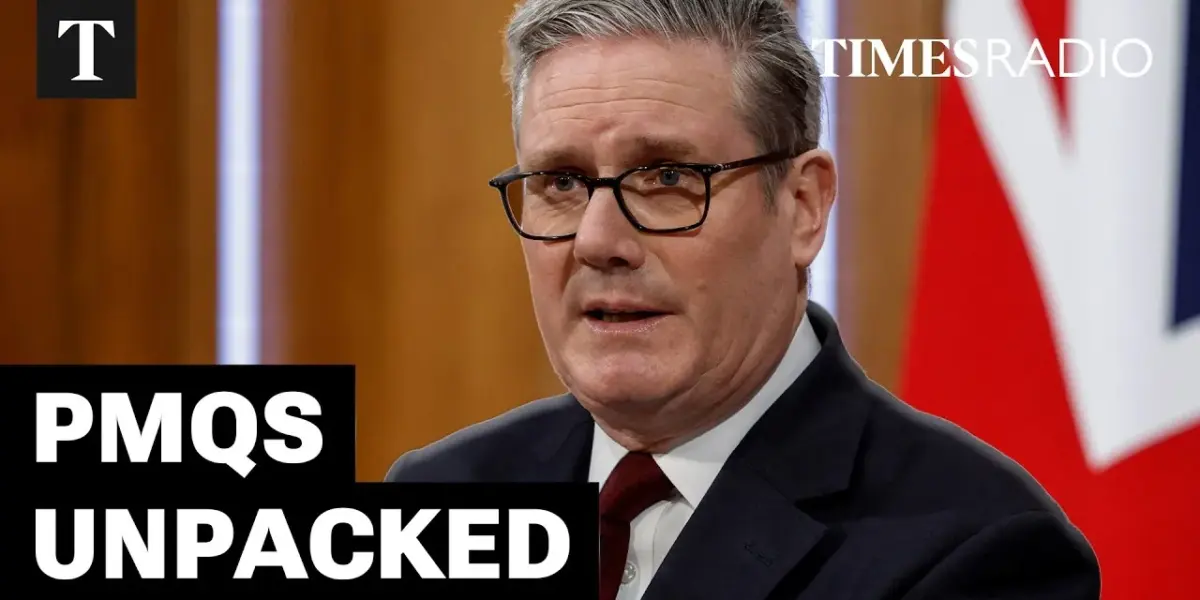
Starmer Presses Badenoch on Economic Policy During PMQs
During a recent session of Prime Minister’s Questions (PMQs), Labour leader Keir Starmer directly challenged Business Secretary Kemi Badenoch on the government’s economic policies. The exchange, discussed by political analysts Hugo Rifkind, Lara Spirit, and comedian Andy Zaltzman, focused on the current state of the UK economy and the effectiveness of Conservative strategies. Starmer’s questions aimed to highlight perceived failures and create pressure on the government’s handling of key economic issues.
Key Economic Questions Raised
Starmer’s line of questioning centered on several critical economic areas. He pressed Badenoch about the rising cost of living and its impact on households across the country. The Labour leader also questioned the government’s plans for economic growth and investment, seeking to understand the long-term vision. Specific concerns were raised regarding the impact of government decisions on small businesses and the wider job market. The discussion underscored the deep divisions in approach between the two main parties.
Badenoch Defends Government’s Record
Kemi Badenoch, representing the government, defended its economic record and future plans. She argued that the Conservative administration has taken necessary steps to stabilize the economy during challenging global times. Badenoch highlighted initiatives aimed at controlling inflation and supporting businesses through difficult periods. She also emphasized the government’s commitment to fostering a strong economic future for the UK. The Business Secretary maintained a firm stance against Starmer’s criticisms, framing them as politically motivated attacks.
The back-and-forth during PMQs provided a clear snapshot of the political battle lines being drawn. Starmer sought to exploit any perceived weaknesses in the government’s economic strategy, while Badenoch worked to project confidence and competence.
Analysis of the PMQs Exchange
Political commentator Hugo Rifkind, along with Lara Spirit, the deputy political editor of The Sunday Times, and comedian Andy Zaltzman, offered their insights into the PMQs session. They noted the strategic importance of such exchanges for both opposition and government. Spirit pointed out how these debates are often designed to resonate with voters and shape public perception of leadership. Zaltzman provided a more lighthearted, yet often sharp, observation on the performance and rhetoric used by the politicians involved.
The analysts discussed the effectiveness of Starmer’s questioning and Badenoch’s responses. They considered whether the arguments presented were clear and persuasive to the wider public. The tone of the session was described as intense, reflecting the high stakes of current economic challenges. The performance of each individual was weighed against their broader political objectives and the public’s expectations.
Broader Implications for UK Politics
This particular PMQs session has wider implications for the political landscape. It highlights the central role of economic management in public trust and electoral success. As the country faces ongoing economic headwinds, voters will be closely watching how both the government and the opposition propose to address these issues. The effectiveness of political communication and the ability to connect with everyday concerns are crucial for gaining public support.
The debates seen in Parliament during PMQs often set the agenda for broader public discussion. They serve as a platform for leaders to communicate their vision and to hold their opponents accountable. The strategies employed by Starmer and Badenoch in this session may offer clues about their approaches in future political contests. The focus remains on who can best convince the electorate they have the solutions for prosperity.
Looking Ahead
The discussions following this PMQs session will likely continue as political parties gear up for future electoral challenges. Attention will remain on economic indicators and the government’s policy responses. Voters will be looking for tangible improvements and clear plans for the future. The effectiveness of both Labour’s critique and the Conservatives’ defense will be tested in the months to come.
Source: LIVE PMQs Unpacked: Keir Starmer Takes Questions From Kemi Badenoch (YouTube)

Related Articles

MAGA Faces Crisis: Internal Strife and Public Doubt Emerge
The MAGA movement is reportedly facing internal divisions and growing public doubt. Key issues like the Iran conflict and economic concerns are creating rifts within the base, while criticism questions the movement's appeal and direction. These factors suggest a potential fracturing of the once-unified political force.

Trump’s CPAC Cheer: Populist Promises Crumble
Cheers for impeachment hearings at CPAC suggest cracks in Donald Trump's popularity. Critics argue his populist promises have gone unfulfilled, benefiting only himself and his allies. Voters are urged to hold leaders accountable and demand tangible results.

CPAC’s Fumbles Reveal Fissures in MAGA’s Foundation
CPAC's recent gathering revealed potential cracks within the MAGA movement, with awkward stage moments and attendee sentiments highlighting growing divisions. Polling data also suggests a decline in Donald Trump's popularity, indicating a potential shift in the political landscape.